The Importance of Reviewing Your Insurance Policy Annually

The Importance of Reviewing Your Insurance Policy Annually 📋

Insurance is one of those things most of us set and forget. Once the policy is signed, the premiums are paid, and the paperwork is filed away, it’s easy to assume everything is handled. But life changes—and so should your insurance.

Conducting an annual review of your insurance policies isn’t just a good habit—it’s essential for making sure you’re protected, not overpaying, and always getting the best value.

Let’s explore why reviewing your insurance each year can lead to better coverage, real savings, and greater peace of mind.


1. Your Life Changes—So Should Your Policy 🔄

A lot can happen in a year:

  • Got married? 💍

  • Moved into a new home? 🏠

  • Bought a car? 🚙

  • Had a baby? 👶

  • Started working from home? 💻

Each of these milestones can impact your insurance needs.

For example:

  • Homeowners insurance should reflect upgrades, renovations, or added valuables.

  • Auto insurance may need updating if your driving habits have changed.

  • Life insurance should be reevaluated after any big family or financial change.

📅 An annual review ensures your coverage grows with your life—not behind it.


2. You Might Be Missing Out on Better Options 

The insurance market is always changing—new products, better rates, improved coverage. What worked last year may not be the best fit today.

During a review, you or your agent can:

  • Compare your current policy to new offers

  • Explore bundling (home + auto = 💸 savings!)

  • Adjust deductibles or limits for better coverage

📈 Staying informed = staying ahead.


3. Premiums Change—Don’t Get Caught Off Guard 

Your premium can go up or down due to:

  • 🚦 Driving history

  • 🧾 Claim activity

  • 💳 Credit score

  • 📈 Inflation or market changes

By reviewing your policy:

  • You might spot unnecessary fees or outdated info

  • You could unlock new discounts for safe driving, home security, loyalty, etc.

  • You can clean up old coverages you don’t need anymore

🎯 Bottom line: Review = potential savings and clarity.


4. Laws and Regulations Change Too ⚖️

Insurance rules aren’t set in stone. Every year, state and federal changes could affect:

  • Minimum coverage levels

  • Tax deductibility (especially for health or life insurance)

  • Policy exclusions or limitations

An annual review keeps you:

  • Legally compliant

  • 🧠 Well-informed

  • 📊 Prepared for any financial or legal shifts


5. You’ll Understand Your Coverage Better 

Let’s be honest: most of us don’t know exactly what our insurance covers (or doesn’t).

Ask yourself:

  • What’s my deductible?

  • What are my coverage limits?

  • What’s excluded?

  • How do I file a claim if needed?

🎓 A review is a perfect chance to learn—and ask questions while you’re not in a crisis.


6. It Takes Little Time—But Has Big Benefits ⏳➡️💰

An insurance review often takes less than an hour. You can do it:

  • 📞 Over the phone with your agent

  • 💻 Online through your provider’s dashboard

  • ☕ Even casually over coffee with a trusted advisor

For a small-time investment, you get:

  • 🔐 Updated protection

  • 💸 Potential savings

  • 😌 Peace of mind


✅ Final Thoughts: A Little Effort = Big Protection

Your life isn’t static, and your insurance shouldn’t be either. By reviewing your policy once a year, you make sure you’re:

  • Covered for what matters most

  • Not overpaying for things you don’t need

  • Prepared for the unexpected

So go ahead—📅 set that annual reminder. Make it part of your fall checklist or New Year routine. Your future self will thank you.

You can experience the benefits of being a part of a full serviced independent insurance Agency today! Simply contact Briggs Agency, Inc. if you are interested in an insurance review at 219-769-4840 or visit our website at www.BriggsAgency.com. We look forward to hearing from you!

Blog post written by: Zachary Pelke

How to Protect Your Business from Liability Risks

🛡️ How to Protect Your Business from Liability Risks: Insurance Tips That Could Save You!

Running a business is risky—but that’s part of the thrill, right? While you’re dreaming big, building your brand, and securing the bag 💼💰, it’s easy to overlook one sneaky threat: liability.

Whether you’re a freelancer, a small business owner, or running a growing startup, liability risks can cost you everything if you’re not prepared. But don’t worry—insurance is your business’s secret superhero cape. 🦸‍♀️🦸

This post breaks down how to protect your business from liability risks with insurance—complete with practical tips, charts, and a sprinkle of fun.


⚠️ What is Liability, Anyway?

Liability is basically what your business could be held legally responsible for—think injuries, damages, or losses that affect clients, employees, or the public.

Common Types of Business Liability:

Type Description Real-Life Example
General Liability Covers bodily injuries, property damage A customer slips on your floor
Professional Liability (E&O) Covers mistakes or negligence You give wrong legal advice
Product Liability Covers harm from your product A toy breaks and injures a child
Cyber Liability Covers data breaches Hackers steal client info
Employment Practices Liability (EPLI) Covers HR-related claims Employee sues for discrimination

🧠 Pro Tip #1: Understand What You’re Exposed To

Before you buy any insurance, assess your risk. Ask:

  • Do I serve clients face-to-face?

  • Do I offer professional advice or services?

  • Do I handle sensitive data?

  • Do I sell physical products?

  • Do I have employees?

💡 Example: A yoga studio and an e-commerce pet store have very different liability risks—and need different insurance setups.


🧾 Pro Tip #2: Get the Right Coverage (Not Just the Cheapest)

Essential Insurance Policies for Most Businesses:

Insurance Type Best For Why You Need It
General Liability All Businesses Covers accidents, injuries
Professional Liability (E&O) Consultants, agencies, freelancers Covers “oops” moments
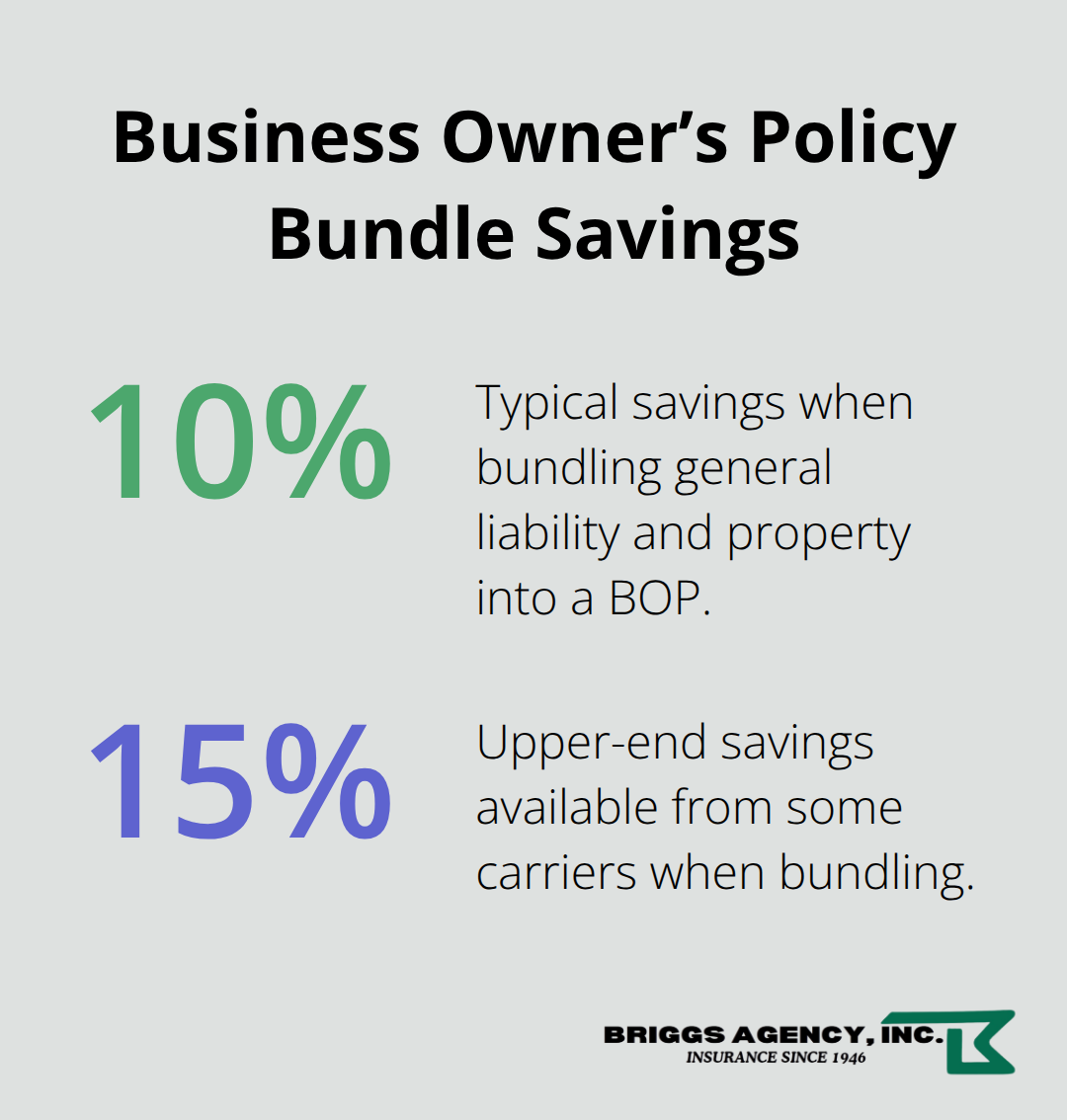
Business Owner’s Policy (BOP) Small businesses Bundles liability + property insurance
Workers’ Compensation Businesses with employees Covers on-the-job injuries
Cyber Liability Online businesses, SaaS Covers data breaches, hacks

Hot Tip: A Business Owner’s Policy (BOP) is a great budget-friendly combo that includes general liability + property coverage.


📊 CHART: What Insurance Do I Need?

Risk Type | High Risk | Medium Risk | Low Risk
---------------------|-----------------|----------------|---------------
Client Interaction | Retail, salons | Consultants | Online shops
Data Handling | SaaS, IT firms | E-commerce | Brick & mortar
Professional Advice | Lawyers, CPAs | Designers | Product sellers
Product Sales | Toy makers | Crafters | Digital products
Employees | Restaurants | Agencies | Solopreneurs

= Must-have insurance!


🧰 Pro Tip #3: Work With an Insurance Broker

Don’t just Google “cheap business insurance” and click the first ad. 🙃
A licensed insurance broker will:

  • Compare multiple policies

  • Tailor coverage to your industry

  • Help you avoid hidden exclusions

⚠️ Remember: The cheapest policy might not cover you when you actually need it.


🔍 Pro Tip #4: Read the Fine Print (Yes, Seriously)

Insurance policies are filled with jargon, but missing a detail can cost you BIG. Look out for:

  • Exclusions: What’s NOT covered

  • Limits: The max amount they’ll pay

  • Deductibles: What you pay out-of-pocket before coverage kicks in

  • Retroactive Dates: For claims-made policies like E&O

📘 If reading policies feels like decoding ancient scrolls, ask your broker to explain in plain English.


📅 Pro Tip #5: Review Your Coverage Every Year

Your business grows, pivots, and evolves. So should your insurance.

Example: If you start offering a new service (like online coaching or digital products), your current policy might not cover it.

Set an annual “insurance review day” on your calendar. Treat it like a business checkup.


🤑 Bonus: What If You Get Sued Without Insurance?

Without insurance, even one lawsuit could mean:

  • Attorney fees 💸

  • Court settlements 💸💸

  • Reputation damage 🧨

  • Bankruptcy ☠️

It’s not fear-mongering—it’s facts.


🎯 Summary: Liability Protection Checklist

✅ Assess your risks
✅ Choose the right types of insurance
✅ Work with a broker (not just a search engine)
✅ Read and understand the policy
✅ Review and update yearly

You can experience the benefits of being a part of a full-service Independent Insurance Agency today! Simply contact Briggs Agency, Inc. if your are interested in an insurance review at 219-769-4840 or visit our website at www.BriggsAgency.com. We look forward to hearing from you!

Blog post written by Zachary Pelke.

Insurance FAQs: Answers to Commonly Asked Questions

🛡️ Insurance FAQs: Quick Answers to Common Questions

Let’s face it—insurance can be confusing. Whether it’s car, home, health, or life insurance, the fine print can make your head spin. That’s why we’ve compiled a list of the most frequently asked insurance questions—along with clear, simple answers. ✅

Ready to demystify insurance? Let’s go! 🚀


1️⃣ What is insurance, really?

Insurance is a contract (a policy) where you pay a company (called the insurer) a fee (called a premium), and in return, they agree to help cover certain losses or damages.

📦 Think of it as a safety net for the “what ifs” in life.


2️⃣ Why do I need insurance?

Because life happens. 💥 Insurance protects you financially in case of:

  • 🚗 Car accidents

  • 🏡 Property damage

  • 🤒 Medical emergencies

  • 💀 Unexpected death

  • 🛫 Travel issues

Without insurance, you could end up paying everything out of pocket. Ouch.


3️⃣ What types of insurance should I have?

Here are the big ones:

  • 🚗 Auto Insurance – Required by law in most places.

  • 🏠 Home or Renters Insurance – Protects your home or belongings.

  • 💊 Health Insurance – Helps pay for medical care.

  • 💼 Life Insurance – Supports your loved ones if you pass away.

  • 🧳 Travel Insurance – Covers trip cancellations, lost bags, etc.

The right mix depends on your life situation.


4️⃣ What’s a deductible?

A deductible is the amount you pay out of pocket before your insurance kicks in. 💸

Example: If your car repair is $2,000 and your deductible is $500, you pay $500 and the insurance covers $1,500.


5️⃣ What affects my insurance premium?

Your premium is what you pay (monthly or yearly). It depends on:

  • 🔢 Age

  • 📍 Location

  • 🚗 Driving record

  • 🏥 Health status

  • 💼 Job or lifestyle risks

Basically, the riskier you are to insure, the more you’ll pay.


6️⃣ What’s the difference between term and whole life insurance?

  • 🕒 Term Life: Covers you for a set time (10, 20, 30 years). Cheaper.

  • ♾️ Whole Life: Covers you forever and builds cash value. Pricier, but comes with benefits.


7️⃣ Can I switch insurance companies?

Absolutely! 🔄 If you find better coverage or a lower rate, you can switch—just make sure there’s no gap in coverage.

Tip: Don’t cancel your old policy until the new one is active. ☝️


8️⃣ What’s not covered by insurance?

Every policy has exclusions. Common ones include:

  • 🚫 Intentional damage

  • 🚫 Wear and tear

  • 🚫 Certain natural disasters (like floods or earthquakes—check your policy!)

Always read the fine print. 🧐


9️⃣ How do I file a claim?

Most insurers let you file:

  • 📱 Online or through an app

  • ☎️ By phone

  • 📝 With a form

You’ll need details like what happened, when, and supporting documents (photos, receipts, etc.).


🔟 When should I update my policy?

Update your insurance when your life changes:

  • 💍 Getting married

  • 👶 Having a baby

  • 🏠 Buying a home

  • 🚘 Getting a new car

  • 💼 Changing jobs

Your needs evolve—so should your coverage.


🎉 Final Thoughts

Insurance isn’t just paperwork—it’s peace of mind. Whether you’re just starting out or reviewing your current policies, knowing the basics helps you stay protected and save money.

Got more questions? Drop them in the comments below or reach out to a licensed agent.


Stay safe, stay smart, stay insured. 🛡️

You can experience the benefits of being a part of a full-serviced Independent Insurance Agency today! Simply contact Briggs Agency, Inc. if you are interested in an insurance review at 219-769-4840 or visit our website at www.BriggsAgency.com. We look forward to hearing from you!

Blog post written by: Zachary Pelke
Insurance Coverage for Seasonal Homes or Vacation Properties

🏡 Insurance Coverage for Seasonal Homes or Vacation Properties

Protecting Your Second Home the Right Way

Whether your vacation home is a cozy cabin in the mountains, a beachfront retreat, or a lakeside cottage, it deserves the same protection as your primary residence—if not more. Second homes or vacation rentals come with unique risks and insurance needs, and overlooking proper coverage can lead to costly surprises.

In this blog post, we’ll break down everything you need to know about insurance coverage for seasonal homes and vacation properties, including what makes them different, key coverage types, and how to safeguard your investment year-round.


📌 Why Second Homes Need Special Insurance

Unlike your primary residence, second homes:

  • May be vacant for long periods, increasing the risk of theft or damage.

  • Are often located in areas prone to natural disasters (coastal storms, wildfires, etc.).

  • Might be used as short-term rentals, adding liability and property wear risks.

As a result, standard homeowners’ insurance typically won’t provide adequate protection. You’ll likely need a specialized policy tailored to your property’s use and location.


🔍 Types of Coverage for Vacation Homes

Here’s a breakdown of the essential coverage types you should consider:

🏠 1. Dwelling Coverage

Covers the structure of the home in case of damage due to fire, wind, hail, or other covered perils.
💡 Tip: Make sure your policy reflects the full rebuild cost, not just market value.


🪟 2. Contents Coverage

Protects furniture, appliances, and personal belongings inside the home.
📦 Especially important if the home is furnished or used by guests/renters.


🔐 3. Liability Insurance

Provides protection if someone is injured on the property and you’re found liable.
🧯 Extra important if you rent the home out or host guests.


🚰 4. Vacancy and Vandalism Protection

Second homes are often vacant—so consider coverage that includes:

  • Vandalism

  • Theft

  • Frozen/burst pipes
    💡 Some insurers exclude certain perils if the home is left empty for 30+ days.


🌊 5. Flood and Earthquake Insurance

Standard policies do not cover these natural disasters.
✅ Check the risk level in your property’s area and add:

  • Flood insurance (FEMA or private)

  • Earthquake insurance if applicable


💼 6. Rental Property Insurance (Landlord Insurance)

If you rent your vacation home on Airbnb, Vrbo, or privately:

  • You may need landlord insurance or a commercial policy.

  • Covers loss of rental income, property damage, and tenant-related liabilities.

📝 Some insurers offer short-term rental endorsements for occasional rentals.


🧾 Optional Add-Ons to Consider

  • Umbrella Insurance: Extra liability coverage beyond your standard policy

  • Service Line Coverage: Protects underground pipes/wires

  • Home Systems Protection: Covers HVAC, water heaters, etc.

  • Ordinance or Law Coverage: Helps cover costs to bring property up to code after damage


💬 Common Questions

❓ Can I use my primary homeowner’s policy for my vacation home?

No. You’ll need a separate policy or an endorsement. Insurers see second homes as higher risk due to limited occupancy.


❓ Does Airbnb or Vrbo insurance replace my own?

Not fully. They offer limited host protections. You still need your own comprehensive rental property insurance.


❓ How much does second home insurance cost?

Costs vary widely based on:

  • Location and weather risk

  • Home value and age

  • Rental activity
    💰 On average, 10%–20% higher than primary home insurance.


✅ Tips to Lower Insurance Costs

  1. Bundle policies with your auto or primary home

  2. Install security systems, smoke detectors, smart thermostats

  3. Maintain the property regularly

  4. Limit high-risk features (e.g., trampolines, open fire pits)


🏁 Final Thoughts

Your second home is a valuable investment and source of joy—but it comes with its own set of risks. The right insurance policy can offer peace of mind whether you’re enjoying a weekend getaway or renting it out to guests.

🔍 Action Step: Review your current coverage, talk to your insurance agent, and ensure your vacation property is properly protected before the next season hits.

You can experience the benefits of being a part of a full-serviced Independent Insurance Agency today! Simply contact Briggs Agency, Inc. if you are interested in an insurance review at 219-769-4840 or visit our website at www.BriggsAgency.com. We look forwards to hearing from you!

Blog post written by: Zachary Pelke

Understanding Business Owner’s Policy (BOP): What is Included?

📦 Understanding Business Owner’s Policy (BOP): What’s Included?

Running a small business comes with a lot of hustles—and a little bit of risk. Whether you’re selling cupcakes, managing a consulting firm, or running an online store, you want to protect what you’ve worked so hard to build. That’s where a Business Owner’s Policy, or BOP, comes in.

Think of a BOP as a bundle of protection designed just for small and medium-sized business owners. It combines several essential types of insurance into one neat package—saving you time, money, and a whole lot of headaches.

Let’s break it down. 🎯


🧰 What Is a Business Owner’s Policy (BOP)?

A Business Owner’s Policy is a bundle of different types of insurance commonly needed by small businesses. Instead of buying each policy separately, a BOP groups them together—usually at a discounted rate.

It’s like getting a meal combo at your favorite restaurant. You could order each item separately but bundling it saves money and effort.


🧩 What’s Included in a BOP?

Most standard BOPs come with three core components:

1. Property Insurance 🏢

This protects your building and business property—like equipment, inventory, furniture, and signage—against damage or loss from:

  • Fire

  • Theft

  • Vandalism

  • Storms (excluding floods or earthquakes)

Example: If a fire damages your office, this coverage helps pay for repairs and replacing lost property.

🔍 Note: You don’t need to own the building to benefit. If you rent, the contents and upgrades you make are covered too.


2. General Liability Insurance ⚖️

This covers legal costs if your business is sued for things like:

  • Bodily injury (e.g., a customer slips and falls in your store)

  • Property damage (e.g., you accidentally damage a client’s laptop)

  • Advertising injury (e.g., you’re accused of copyright infringement)

Example: A customer trips on a loose rug in your boutique and breaks their wrist. General liability covers medical expenses and legal fees.

📢 Important: It does not cover employee injuries (you’ll need workers’ comp for that).


3. Business Interruption Insurance 🛑

Also called “Business Income Insurance,” this coverage helps you recover lost income if your business is temporarily shut down due to a covered event (like a fire or major storm).

It can help pay for:

  • Lost revenue

  • Rent/mortgage payments

  • Employee wages

  • Temporary relocation costs

Example: If a fire forces your restaurant to close for two weeks, this policy helps cover your lost income and rent during that period.


➕ Optional Add-Ons (Endorsements)

Many insurers allow you to customize your BOP with additional coverages, including:

  • Cyber Liability 🧑‍💻 – Protects against data breaches and cyberattacks

  • Professional Liability (Errors & Omissions) – Covers service-based mistakes

  • Equipment Breakdown – Covers repairs or replacements due to mechanical issues

  • Employee Dishonesty – Protects against theft or fraud by staff

  • Commercial Auto 🚗 – If your business uses vehicles

  • Hired/Non-Owned Auto – For employees using personal vehicles for business

📌 Tip: Work with an insurance agent or broker to tailor your BOP to your specific business needs.


🎯 Who Needs a BOP?

If you’re a small or medium-sized business owner, there’s a good chance a BOP is right for you—especially if you:

  • Have a physical location (even if it’s a home office)

  • Own business property or inventory

  • Interact with customers or clients in person

  • Want affordable, bundled protection

Industries that often benefit from BOPs include:

  • Retail stores

  • Restaurants & cafes

  • Freelancers & consultants

  • Wholesalers

  • Beauty salons

  • Contractors

  • Small manufacturers

  • Tech startups


💰 Benefits of a BOP

Let’s talk perks! 🎁

✅ Cost-Effective

Bundling coverage is typically cheaper than buying separate policies.

✅ Simplicity

One policy, one premium, one renewal date. Easy.

✅ Customizable

Add what you need, skip what you don’t.

✅ Peace of Mind

Focus on growing your business—not worrying about “what if” disasters.


🚧 What’s NOT Covered?

A BOP is great—but it doesn’t cover everything. You may still need:

  • Workers’ Compensation

  • Commercial Auto Insurance

  • Professional Liability (if not added)

  • Flood or Earthquake Insurance

  • Health or Life Insurance


📝 Final Thoughts

A Business Owner’s Policy is an excellent starting point for small business insurance. It wraps key protections into a single, streamlined package that’s both practical and affordable. It won’t cover every possible risk, but it offers a solid foundation for most small businesses.

Before choosing a BOP, ask yourself:

  • What are my biggest business risks?

  • Do I need additional coverage?

  • Am I getting the best value?

With the right BOP in place, you can spend less time worrying—and more time doing what you love: running your business. 🚀


📞 Need Help Choosing a BOP?

Work with a licensed insurance agent who understands small businesses. They can help you customize a plan that fits your needs, your budget, and your peace of mind.

You can experience the benefits of being a part of a full-serviced, Independent Insurance Agency today! Simply contact Briggs Agency, Inc. if you are interested in an insurance review at 219-769-4840 or visit our website at www.BriggsAgency.com. We look forwards to hearing from you!

Blog post written by: Zachary Pelke

Benefits of Group Health Insurance Plans for Small Businesses

💼 The Benefits of Group Health Insurance Plans for Small Businesses

In today’s competitive job market, small businesses are constantly seeking ways to attract and retain top talent while managing costs. One powerful tool often overlooked is group health insurance. While offering health benefits may seem like a big step for a small company, the rewards far outweigh the costs.

In this blog, we’ll break down the key benefits of group health insurance plans for small businesses, how they work, and why offering health coverage might be one of the smartest investments you can make in your business.


✅ What Is Group Health Insurance?

Group health insurance is a single policy issued to a group—typically employees of a company—that provides medical coverage to its members. These plans often offer better rates, broader coverage, and tax benefits compared to individual health plans.


🔍 Group vs. Individual Health Insurance: Quick Comparison

Feature Group Health Insurance Individual Health Insurance
Premium Costs Shared between employer and employee Paid entirely by individual
Tax Benefits Employer receives tax deductions + credits Limited tax deductions
Coverage Options More robust; includes preventive & specialist care Varies; often more limited
Provider Network Often larger networks with better negotiated rates Can be narrower and costlier
Eligibility Must be employed by participating business Available to anyone
Administrative Help Often supported by brokers or PEOs Individual must manage everything

💡 Why Should Small Businesses Offer Group Health Insurance?

Let’s dive into the major benefits:

1. 🧲 Attract and Retain Talent

  • Competitive Advantage: Offering health insurance can set your business apart.

  • Employee Loyalty: 60% of employees say health benefits are a key factor in staying with their employer.

2. 💰 Tax Advantages

  • Business Deductions: Premiums are 100% tax-deductible for employers.

  • Small Business Tax Credit: Up to 50% of premiums covered for eligible companies via the SHOP marketplace.

3. 🧾 Lower Costs for Everyone

  • Premiums are typically 10–20% lower than individual plans.

  • Group risk-sharing helps keep premiums more stable year to year.

4. 🌐 Access to Better Coverage

  • Includes preventive care, emergency services, specialist visits, mental health, and more.

  • Employees may access HSAs or FSAs for tax-free medical savings.

5. 🛠️ Improved Productivity

  • Covered employees are more likely to seek timely care.

  • Reduces downtime from illness, leading to fewer sick days.

6. 👥 Builds a Positive Company Culture

  • Health benefits promote a culture of well-being and care.

  • Signals that leadership invests in people, not just profits.


📊 Real Stats: Why It Matters

📌 70% of small business employees said they are more likely to stay with a company that offers health benefits.
📌 Businesses that offer health insurance experience 25% less turnover on average.
📌 Employees with access to benefits report better engagement and productivity at work.
📌 According to the Kaiser Family Foundation, over 55% of small firms already offer health insurance—don’t get left behind!


📈 Quick-View: The ROI of Group Health Insurance

🧠 Productivity Boost
→ Fewer sick days
→ Faster return to work
→ Improved focus

📉 Cost Savings Over Time
→ Lower recruitment and training costs
→ Reduced absenteeism
→ Better insurance rate stability

🎯 Business Growth
→ Higher employee satisfaction
→ Better brand reputation
→ Stronger recruitment pipeline


🚀 How to Get Started

Starting a group health insurance plan is easier than you think. Here’s how:

  1. Assess Your Team’s Needs

    • Age range, dependents, desired benefits

  2. Set a Budget

    • Typical employer contribution: 50%–75% of premiums

  3. Compare Plans

    • Use brokers, PEOs, or the SHOP marketplace

  4. Enroll Employees

    • Collect necessary info and documents

  5. Communicate Clearly

    • Provide a benefits guide or FAQ to your team


📘 Example: Jane’s Coffee Co.

Jane runs a coffee shop with 9 employees. After losing a great barista to a larger company with benefits, she opted into a group health plan through a broker. By contributing 60% of premiums, she reduced turnover by 40% in a year and received a small business tax credit. Now, her shop has a waiting list of baristas wanting to work there.


🎨 Visual Summary (Perfect for Sharing!)

🧑‍🤝‍🧑 Group Health Insurance: Why It Works for Small Business
📌 Attracts Talent
📌 Boosts Retention
📌 Cuts Taxes
📌 Improves Productivity
📌 Builds Positive Culture
📌 Offers Better Coverage

“Healthy employees build healthy businesses.”


💬 Final Thoughts

Offering group health insurance is more than a benefit—it’s a strategic business decision. It helps you:

  • Compete with larger companies

  • Build a loyal, productive team

  • Reduce long-term costs

If you’re not offering coverage yet, it’s worth exploring. The financial advantages, employee satisfaction, and business reputation gains make it one of the most powerful tools in your small business toolkit.

You can experience the benfits of being a part of a full-service Independent Insurance Agency today! Simply contact Briggs Agency, Inc. if you are interested in an insurance review at 219-769-484- or visit our website at www.BriggsAgency.com. We look forward to hearing from you!

Blog post written by: Zachary Pelke
How to Understand Co-Insurance and Its Impact on Your Policy

🧠 Understanding Co-Insurance and Its Impact on Your Policy

Know what you’re really paying for—before the bill arrives.


When it comes to health insurance—or any insurance, really—most of us think we’re covered after the deductible. But then… co-insurance enters the chat.

So, what is co-insurance, why does it exist, and how does it affect your wallet when a claim is filed? This post breaks it down, step by step, so you don’t get stuck with surprise costs or confusing fine print.


💡 What Is Co-Insurance?

Co-insurance is your share of the cost for a covered service after you’ve met your deductible.

Think of it as a cost-sharing agreement between you and your insurance provider.

Here’s the standard structure:

  • You pay a percentage of the cost of a covered service.

  • Your insurance pays the rest.

Co-insurance usually kicks in after your deductible is met and continues until you hit your out-of-pocket maximum.


🧾 Co-Insurance in Action: A Quick Example

Let’s say:

  • Your plan includes 20% co-insurance

  • Your deductible is $1,500

  • Your out-of-pocket max is $6,000

  • You get a medical procedure that costs $5,000

Step-by-step cost breakdown:

  1. You pay your $1,500 deductible first.

  2. That leaves $3,500 in remaining charges.

  3. You pay 20% of $3,500 = $700 (your co-insurance).

  4. Insurance covers the remaining 80% = $2,800

✅ Total out-of-pocket for this claim: $2,200
(That’s $1,500 deductible + $700 co-insurance)


🆚 Co-Insurance vs. Co-Pay: What’s the Difference?

Many people mix these two up—and it’s easy to see why.

Feature Co-Pay Co-Insurance
Type of Cost Flat fee per service Percentage of the total cost
Applies When? Often right away After you meet your deductible
Example $25 for a doctor’s visit 20% of the hospital bill

In short: co-pays are fixed, co-insurance is flexible (and potentially more expensive).


🏥 Where Co-Insurance Matters Most

Understanding co-insurance is critical in high-cost medical scenarios, such as:

  • Hospital stays

  • Surgeries

  • Diagnostic imaging (like MRIs)

  • Emergency care

  • Specialty drugs

The higher the cost of care, the more significant your co-insurance payment could be. That’s why it’s essential to check your plan details and know your financial exposure.


🔄 Co-Insurance in Other Types of Insurance

While we usually talk about co-insurance in health insurance, it also appears in:

🏢 Property Insurance:

  • Co-insurance ensures policyholders insure their property to an adequate value.

  • If you underinsure, you may face penalties at claim time.

📦 Example (Commercial Property):

You insure your building for $400,000, but it’s worth $800,000. Your policy requires 80% co-insurance ($640,000 minimum). In the event of a loss, the insurance company may reduce the payout proportionally.


📉 How Co-Insurance Affects Claims and Your Wallet

Here’s what you need to know:

  1. The lower your co-insurance, the less you pay per claim. Plans with 10% co-insurance are generally more expensive (in premiums) but cheaper when you get care.

  2. Watch for the out-of-pocket maximum. Once you hit it, co-insurance stops, and insurance pays 100%.

  3. Some services may have different co-insurance rates. Always check your Summary of Benefits and Coverage (SBC).

  4. In-network vs. out-of-network matters. Co-insurance often increases sharply when you go out-of-network.


🛠️ How to Manage Co-Insurance Wisely

Shop for plans based on total cost: premium + expected co-insurance
Ask for cost estimates before procedures
Use in-network providers to minimize cost
Track your deductible and out-of-pocket spending
Consider supplemental insurance for high-risk individuals


📌 The Bottom Line

Co-insurance is a crucial part of your health insurance policy—and ignoring it can be costly. Think of it as a shared responsibility: you cover part of the costs, and your insurer covers the rest. But how big your slice of the bill depends on your plan details.

So next time you’re reviewing or shopping for insurance, don’t just look at premiums. Look at the whole picture—co-insurance included—so you’re prepared for real-life healthcare costs.


🧭 Stay Informed, Stay Covered

Insurance terms can be confusing, but they don’t have to be scary. Knowing how co-insurance works gives you more control over your finances—and peace of mind during unexpected events.

You can experience the benefits of being a part of a full-serviced Independent Insurance Agency today! Simply contact Briggs Agency, Inc. if you are interested in an insurance review at 219-769-4840 or visit our website at www.BriggsAgency.com. We look forward to hearing from you!

Blog post written by: Zachary Pelke
understanding Insurance Premium Payments: Monthly vs. Annually

💡 Understanding Insurance Premium Payments: Monthly vs. Annually

When purchasing any type of insurance—whether it’s auto, home, life, or health—one of the most important financial decisions you’ll face is how to pay your premiums. Insurance companies usually offer multiple payment options, with monthly and annual payments being the most common.

But which payment schedule is better?

In this post, we’ll break down the pros and cons of monthly vs. annual insurance premium payments so you can make a choice that fits both your budget and your long-term financial goals.


📅 Monthly Insurance Premium Payments

✅ Pros:

  • Easier on your budget: Monthly payments spread the cost throughout the year, making them easier to manage if you don’t have a large sum of cash available.

  • Flexible cash flow: You keep more money in your account month to month, which can be helpful for emergencies or other short-term expenses.

  • Great for short-term policies: If you’re unsure whether you’ll keep the policy long-term (e.g., renters insurance for a short lease), monthly might make more sense.

❌ Cons:

  • More expensive overall: Many insurers charge extra fees for the convenience of monthly payments. Over time, these small charges add up.

  • Risk of missing payments: Monthly schedules require ongoing attention. A missed payment could lead to late fees—or worse, a policy lapse.

  • Less likely to get discounts: Some insurers offer discounts for paying in full annually, which you’d miss out on.


📆 Annual Insurance Premium Payments

✅ Pros:

  • Cost savings: Insurers often provide a discount for annual payments. You’ll also avoid monthly service or installment fees.

  • One and done: You make one payment a year and don’t have to worry about monthly due dates, reducing the risk of accidental lapses.

  • Simpler budgeting long-term: It’s easier to plan your insurance costs annually, especially when syncing with other annual expenses like property taxes or memberships.

❌ Cons:

  • Larger upfront cost: The biggest drawback is needing to pay the full premium amount upfront, which can be a burden for some.

  • Less flexibility: If your financial situation changes mid-year, it can be harder to adjust or cancel the policy without losing some of your premium.


💬 Real-Life Example:

Jamal paid $850 upfront for his home insurance and received a $50 discount compared to monthly payments. He also avoided a $5/month service fee, saving another $60.


🆚 Monthly vs. Annual: Which One Should You Choose?

Factor Monthly Annual
Upfront Cost ✅ Lower ❌ Higher
Total Cost Over Time ❌ Higher ✅ Lower
Convenience ❌ Requires More Management ✅ Set-It-and-Forget-It
Risk of Lapse ❌ Higher ✅ Lower
Eligibility for Discounts ❌ Rare ✅ Common

📌 Pro Tips for Choosing the Right Payment Plan

🔸 Review your budget first – If you can comfortably afford an annual payment without straining your finances, it’s often the better long-term deal.

🔸 Ask about discounts – Always ask your insurer if they offer a “pay in full” or annual payment discount. Not all of them advertise it!

🔸 Consider hybrid options – Some insurers offer semi-annual or quarterly payments as a compromise between monthly and annual.

🔸 Set calendar reminders – If you go monthly, set up alerts to avoid missing a payment, or consider autopay to keep things on track.

💬 Final Thoughts

There’s no one-size-fits-all answer to the monthly vs. annual insurance premium debate. If you value convenience and long-term savings—and have the funds to spare—paying annually may be the smarter move. On the other hand, if you prefer predictable cash flow or are on a tighter budget, monthly payments can offer much-needed flexibility.

Whichever route you choose, the most important thing is to stay insured and keep your policy in good standing. Your financial security is worth it.

You can experience the benefits of being a part of a full-service Independent Insurance Agency today! Simply contact Briggs Agency, Inc. if you are interested in an insurance review at 219-769-4840 or visit our website at www.BriggsAgency.com. We look forward to hearing from you!

Blog post written by: Zachary Pelke

Insurance and the Sharing Economy: Coverage for Airbnb Hosts

Welcome to the era of the sharing economy, where your spare bedroom—or even your entire home—can become a lucrative side hustle. Platforms like Airbnb have revolutionized travel and hospitality, letting regular folks turn into short-term rental hosts with the tap of an app.

But here’s the million-dollar question:
Are you insured? Like, really insured? 😬

If you’re renting out your property through Airbnb or similar platforms, your standard homeowners or renters’ insurance might not cut it. So, let’s break down what you need to know about insurance for Airbnb hosts, and how to protect yourself, your guests, and your home sweet home. 🛏️✨


🧠 Why You Need Special Insurance as an Airbnb Host

It’s easy to assume your regular homeowners or renters’ policy has your back. But here’s the catch: once you start making money by hosting guests, your property is considered a business—and that’s a whole different ball game for insurers. 🕹️

Standard policies often exclude short-term rentals from coverage. That means if something goes wrong—like a guest accidentally floods your bathroom or throws a wild party—you might be left paying out of pocket.

Yikes. 😱


🛡️ What Airbnb Offers (and What It Doesn’t)

Airbnb provides two major programs to help hosts feel more secure:

1. Airbnb Host Guarantee

  • Offers up to $1 million in property damage protection

  • Covers damage caused by guests

  • BUT: It doesn’t cover everything—like cash, pets, or shared spaces

2. Airbnb Host Protection Insurance

  • Provides up to $1 million in liability coverage

  • Protects against guest injuries or damage to others’ property

Sounds good, right? Yes and no. While these programs are helpful, they come with limitations and exclusions—and Airbnb isn’t an insurance company. So relying on them alone is risky business. 🤔


🧾 What Kind of Coverage Should You Get?

If you’re hosting regularly, here are the insurance options you should explore:

Short-Term Rental Insurance

This is custom-built for hosts. It fills the gaps left by standard policies and covers:

  • Property damage caused by guests

  • Liability for guest injuries

  • Lost income due to property damage

  • Legal expenses if you get sued

Commercial Insurance Policies

If you’re managing multiple properties or renting full-time, a commercial policy might be the way to go. It’s more robust, though it comes at a higher cost.

Homeowners Insurance Endorsements

Some insurers now offer endorsements or “add-ons” to your existing policy to cover short-term rentals. It’s a more affordable option for casual hosts.


📌 Pro Tips for Airbnb Hosts

  1. Talk to your insurer 📞 – Let them know you’re hosting. Honesty prevents denied claims.

  2. Screen your guests 🔍 – Airbnb gives you tools to vet who’s staying in your home.

  3. Document everything 📸 – Take photos before and after each guest’s stay.

  4. Create house rules 📖 – Clear expectations reduce the risk of incidents.

  5. Consider an umbrella policy ☂️ – For added liability protection.


🧳 Final Thoughts

Hosting on Airbnb can be incredibly rewarding—but it comes with risks. Don’t let a surprise accident or lawsuit drain your income (or your peace of mind). With the right insurance strategy, you can host with confidence, knowing you’ve got a safety net beneath you. 🕸️

Whether you’re renting out a lake house once a summer or running a full-time Airbnb business, insurance should be a key part of your plan. Protect your property, your guests, and your future—because in the world of home-sharing, being prepared is just smart hosting. 💼🏠💡

You can experience the benefits of being a part of a full-service Independent Insurance Agency today! Simply contact Briggs Agency, Inc. if you are interested in an insurance review at 219-769-4840 or visit our website at www.BriggsAgency.com. We look forward to hearing from you!

Blog post written by: Zachary Pelke

Step-by-Step Guide: How to Factor Insurance & Bonding Costs Into Your Construction Bids

When you’re bidding on a commercial construction project, every dollar matters. One of the biggest mistakes small to mid-size contractors make is not properly including insurance and bonding costs in their bids. Underestimating these costs can eat away at your profit margin—or even turn a winning bid into a loss.

Here’s a step-by-step approach to make sure your numbers are right:


Step 1: Review the Project’s Insurance Requirements

Start by carefully reading the contract documents. Look for:

  • Required General Liability (GL) coverage limits

  • Any mandated Umbrella/Excess policies

  • Specific Workers’ Compensation requirements for on-site labor

  • Any contractual endorsements or special wording requirements

It’s also critical to have your insurance agent review the contractual requirements in the construction contract. They can help ensure you meet any specific endorsement requirements, additional insured language, or waiver of subrogation clauses that the owner or lender may require. This helps avoid coverage gaps or unexpected liabilities.

Larger projects often require higher limits or additional coverage than your base policy, which means added cost.


Step 2: Estimate General Liability (GL) Cost Based on Payroll

General Liability premiums are often rated using payroll (sometimes gross sales for certain trades). To estimate project-specific GL cost:

  1. Estimate the payroll you’ll dedicate to this project.

  2. Check your GL rate per $1,000 of payroll (you can get this from your policy or agent).

    • Example: If your GL rate is $6 per $1,000 of payroll and the project payroll is $500,000, the GL cost would be $3,000.

If your policy is audited annually, these payrolls will be factored into the audit anyway. By projecting them into your bid, you avoid surprises at year-end.


Step 3: Calculate Workers’ Compensation Cost

Workers’ Comp is also based on payroll, but the rate depends on the classification code of your employees (carpenters, electricians, laborers, etc.).

To estimate Workers’ Comp cost:

  1. Break down your payroll by employee class code.

  2. Multiply payroll in each class by the rate per $100 of payroll.

    • Carpenter rate = $5.25 per $100 → $300,000 ÷ 100 × $5.25 = $15,750

    • Laborer rate = $4.50 per $100 → $200,000 ÷ 100 × $4.50 = $9,000

Don’t forget to include overtime (at straight time for WC purposes) and projected subcontractors who don’t provide proof of insurance.


Step 4: Get a Bond Quote Before You Bid

Performance and payment bonds are often required. Bond premiums are usually 0.5% to 3% of the contract value, depending on your company’s financials and the project size.

Instead of guessing, request a bond quote early in the bidding process. One effective strategy is to establish a “bonding line of credit” with a surety company. This lets you:

  • Know ahead of time what your bond cost will be for future projects.

  • Streamline the application process when bidding on multiple jobs.

  • Avoid delays or surprises during the contract award process.

By having a bonding line of credit, you essentially pre-qualify with a surety, giving both you and the project owner confidence that you can secure bonds quickly and efficiently.


Step 5: Treat Insurance & Bonding as Direct Job Costs

Don’t bury these costs in your general overhead. If a project requires additional insurance or bonding, treat it as a direct job expense and bill it to the project. This protects your margins and keeps your bids competitive and realistic.


Step 6: Use Insurance & Bonding as a Selling Point

Your quality insurance program not only protects you, but it protects them as well:

  • Insurance ensures claims and accidents are covered.

  • Bonds guarantee the project is completed and subs are paid.

This positions your company as a professional and reliable contractor, not the cheapest option.


Step 7: Sample Bid Calculation Table

Sample Bid Calculation Table (Enhanced)


Cost Component Basis Rate Calculation Cost
Payroll (Total for project) N/A N/A N/A $500,000
General Liability (GL) Payroll $6 per $1,000 $500,000 ÷ 1,000 × $6 $3,000
Workers’ Comp – Carpenters Payroll $5.25 per $100 $300,000 ÷ 100 × $5.25 $15,750
Workers’ Comp – Laborers Payroll $4.50 per $100 $200,000 ÷ 100 × $4.50 $9,000
Performance/Payment Bond Contract Value 1% $1,000,000 × 1% $10,000
Total Insurance & Bonding Costs N/A N/A Sum of above $37,750

Bottom line: By running the numbers step by step—especially for GL and Workers’ Comp—and reviewing contractual requirements with your agent, you’ll avoid underbidding, protect your profit, and show project owners that you’re a contractor who takes risk management seriously.

Contract us for a free consultation: https://briggsagency.com/quote/

Meet our professional independent agents: https://briggsagency.com/meet-our-team/