💡 Deductibles Explained: How They Actually Work (And Why They Matter More Than You Think)

When it comes to insurance, “deductible” is one of those terms everyone has heard… but not everyone truly understands. 
And the truth is—your deductible can make a HUGE difference in how much you pay both monthly and when something goes wrong.

Let’s break it all down in a simple, real-world way so you actually feel confident about your coverage


🧾 What Is a Deductible?

A deductible is the amount of money you pay out of pocket before your insurance kicks in.

👉 Think of it like your “share” of the risk.

Example:

  • You have a $1,000 deductible
  • Your claim is $5,000
  • You pay $1,000
  • Insurance pays the remaining $4,000

Simple, right?


🔍 How Deductibles Actually Work (Real-Life Scenarios)

Car Accident Example

Let’s say you rear-end someone (it happens):

  • Damage to your car: $3,500
  • Your deductible: $500

👉 You pay: $500
👉 Insurance pays: $3,000


🏡 Home Insurance Example

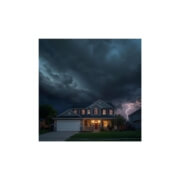
A storm rolls through Northwest Indiana and damages your roof:

  • Repair cost: $12,000
  • Deductible: $2,000

👉 You pay: $2,000
👉 Insurance pays: $10,000


⚠️ Important Note:

You only pay a deductible when:

  • You file a claim on your own policy
  • The loss is covered

If someone else is 100% at fault?  Their insurance should pay (no deductible for you)


📊 Types of Deductibles You Should Know

Not all deductibles are created equal

1. 💵 Fixed Dollar Deductible

  • Most common (ex: $500, $1,000, $2,500)
  • Easy to understand and predictable

2. 📈 Percentage Deductible (Common for Home Insurance)

  • Based on your home’s insured value

Example:

  • Home insured for $300,000
  • 2% deductible = $6,000 out of pocket 

👉 This is HUGE and often surprises people


3. 🌪️ Special Deductibles (Storm/Wind/Hail)

  • Separate deductibles for specific risks
  • Very common in Indiana due to weather

👉 You might have:

  • $1,000 standard deductible
  • BUT $5,000 wind/hail deductible

💰 Deductible vs Premium: The Trade-Off

Here’s where strategy comes in

Deductible Monthly Premium Out-of-Pocket Risk
LOW ($250–$500) Higher Lower risk
HIGH ($1,000–$5,000+) Lower Higher risk

👉 The Rule:

  • Higher deductible = lower monthly payment
  • Lower deductible = higher monthly payment

🤔 So… Which Deductible Should You Choose?

It depends on YOU

Choose a HIGHER deductible if:

✔️ You want to save money monthly
✔️ You have emergency savings
✔️ You don’t file small claims often


Choose a LOWER deductible if:

✔️ You prefer predictable costs
✔️ You don’t want big out-of-pocket surprises
✔️ You want peace of mind


🚨 Common Deductible Mistakes (Avoid These!)

❌ 1. Choosing the cheapest policy without checking the deductible

That low price might come with a $5,000+ deductible


❌ 2. Not knowing you have a percentage deductible

This is one of the BIGGEST homeowner surprises


❌ 3. Filing small claims

If your deductible is $1,000 and damage is $1,200…
👉 You’re only getting $200—and risking higher premiums later


❌ 4. Having a deductible you can’t afford

If you can’t comfortably pay it, it’s too high. Period.


🧠 Pro Tips from an Independent Agent

As an independent agency, we see this all the time

Bundle policies (home + auto) to offset a lower deductible cost
Review your deductible yearly—your situation changes
Match your deductible to your savings
Ask about claim-free discounts before filing small claims


📍 Why This Matters (Especially in Northwest Indiana)

Living in the 219 region means dealing with:

  • Strong storms
  • Snow/ice damage
  • Wind & hail claims

👉 Which means your deductible isn’t just a number—it’s what you’ll actually pay when things go wrong


🏁 Final Takeaway

Your deductible is one of the most important parts of your policy—not just a small detail.

👉 It affects:

  • Your monthly payment
  • Your financial risk
  • Your overall coverage strategy

The goal isn’t just “cheap insurance” … it’s smart protection.


You can experience being a part of and full-serviced independent Insurance Agency today! Simply contact Briggs Agency Inc, if you are interested in an insurance review at 219-769-4840 or visit our website at www.BriggsAgency.com. We look forward to hearing from you!


Blog post written by: Zachary Pelke

How to Lower Your Insurance Premium Without Losing Coverage

How to Lower Your Insurance Premium Without Losing Coverage

Let’s be honest—no one loves paying for insurance… until they need it
But here’s the good news: you don’t have to choose between saving money and staying protected. You can absolutely do both—if you know how to play it smart.

This guide will show you exactly how to lower your insurance premium WITHOUT cutting corners on coverage


🧠 1. Raise Your Deductible (The Smart Way)

Your deductible is what you pay out-of-pocket before insurance kicks in.

👉 Higher deductible = Lower monthly premium

But don’t just max it out blindly!
Ask yourself:

  • Could I comfortably pay this amount in an emergency?
  • Do I have savings set aside?

💡 Pro Tip: Many homeowners and drivers save 15–30% just by adjusting this one number.


📦 2. Bundle Your Policies

If you have multiple policies (home + auto, renters + auto, etc.), bundling them with one agency can unlock serious savings.

✨ Benefits:

  • Lower premiums
  • Simplified billing
  • Better overall coverage coordination

💡 Bonus: Independent agencies (like yours) can shop multiple carriers to find the BEST bundle.


🔍 3. Shop Your Insurance (Yes, Even If You Love Your Current Plan)

Insurance rates change ALL the time—even if nothing about you changes.

👉 That means you could be overpaying without realizing it.

💡 Rule of thumb: Review your policies at least once a year.

An independent agent can:

  • Compare multiple companies
  • Find hidden discounts
  • Customize coverage to YOUR needs

🚗 4. Take Advantage of Discounts You Didn’t Know Existed

You’d be surprised how many people miss out on discounts!

Common ones include:

  • Safe driver
  • Good student
  • Claims-free history
  • Home security systems
  • Paperless billing

👉 Ask your agent: “Am I missing any discounts?”
(You probably are)


🏡 5. Improve Your Risk Profile

Insurance companies LOVE low-risk clients.

Small upgrades can = BIG savings:

  • Install a security system
  • Upgrade your roof
  • Add smoke detectors
  • Maintain good credit

💡 Less risk = lower premium. It’s that simple.


⚖️ 6. Don’t Cut Coverage—Adjust It Strategically

This is where most people go wrong ❌

Instead of removing coverage, try:

  • Adjusting limits based on your current situation
  • Removing outdated add-ons
  • Adding an umbrella policy for better protection at a low cost

👉 The goal is efficient coverage, not less coverage.


🚫 7. Avoid Small Claims When Possible

Filing frequent small claims can actually increase your premium over time

💡 If the repair cost is close to your deductible, it might be smarter to pay out-of-pocket.


👩‍💼 8. Work With an Independent Agent (Game Changer)

Captive agents = 1 company
Independent agents = MANY companies

That means:

  • More options
  • Better pricing
  • Customized protection

👉 Think of it like having a personal insurance shopper.


📅 9. Review Your Policy After Major Life Changes

Life changes = insurance should too!

Examples:

  • Bought a house
  • Got married
  • Started a business
  • Bought a new car

👉 Updating your policy ensures you’re not overpaying—or underinsured.


💡 Final Thoughts: Save Smart, Stay Protected

Lowering your insurance premium isn’t about cutting corners—it’s about being strategic.

✔ Adjust your deductible
✔ Bundle policies
✔ Review annually
✔ Maximize discounts
✔ Work with the right agent


You can experience being a part of and full-serviced independent Insurance Agency today! Simply contact Briggs Agency Inc, if you are interested in an insurance review at 219-769-4840 or visit our website at www.BriggsAgency.com. We look forward to hearing from you!


Blog post written by: Zachary Pelke

The True Cost of Being Uninsured

The True Cost of Being Uninsured (It’s More Expensive Than You Think)

When people think about insurance, they often focus on the monthly premium — the bill that shows up whether anything happens or not. It’s easy to think:

“Why pay for something I might never use?”

But here’s the reality…
The true cost of being uninsured isn’t what you save — it’s what you risk losing.

And when something does go wrong (because eventually, something will), the financial impact can be life-changing.

Let’s break down what being uninsured really costs — with real-life scenarios, numbers, and smarter ways to protect yourself.


🚗 1. Car Accidents: One Moment, Thousands Gone

Even a small accident can cost more than most people expect.

💥 Example:

You rear-end another vehicle at a stoplight.

  • Damage to their car: $4,500

  • Damage to your car: $3,000

  • Medical bills (minor injuries): $8,000

Total out-of-pocket: $15,500+

And that’s for a minor accident.

Now imagine:

  • A totaled vehicle

  • Multiple injuries

  • A lawsuit

Costs can easily exceed $50,000–$100,000+


With insurance: You pay your deductible and your policy covers the rest.
Without insurance: You pay everything — or face lawsuits, wage garnishment, or license suspension.


🏠 2. Home Disasters: Your Biggest Asset at Risk

Your home is likely your largest investment. Without insurance, one disaster can wipe it out.

🔥 Example:

A kitchen fire spreads and causes major damage.

  • Structural repairs: $120,000

  • Smoke damage cleanup: $25,000

  • Temporary housing: $10,000

Total: $155,000


Now ask yourself:

Could you afford to rebuild your home out of pocket?


With insurance: Your policy helps rebuild and replace what you lost
Without insurance: You could lose your home and still owe your mortgage


⚖️ 3. Liability Lawsuits: The Silent Financial Killer

This is one of the most overlooked risks.

🐶 Example:

Your dog bites a visitor.

  • Medical bills: $12,000

  • Legal fees: $15,000

  • Settlement: $30,000

Total: $57,000


Or:

🧊 Someone slips on your icy sidewalk

  • Hospital bills

  • Lost wages

  • Lawsuit

Easily $50,000+


With insurance: Liability coverage protects you
Without insurance: Your savings, income, and assets are at risk


🌪️ 4. Natural Disasters & Unexpected Events

Life is unpredictable:

  • Storm damage

  • Hail damage

  • Fallen trees

  • Theft or vandalism

Even a single event can cost thousands to tens of thousands of dollars.

Without insurance, every one of these becomes a financial emergency.


💼 5. Business Risks (For Small Business Owners)

If you run a business — even from home — being uninsured is extremely risky.

🏪 Example:

A customer slips and falls in your store.

  • Medical bills

  • Legal fees

  • Settlement

Total: $75,000+


Or:

  • Property damage

  • Equipment loss

  • Lawsuits


With insurance: Business policies protect your livelihood
Without insurance: You risk losing your entire business


📉 6. The Long-Term Financial Impact

Being uninsured doesn’t just hurt today — it can affect your future.

You may face:

  • Debt or bankruptcy

  • Wage garnishment

  • Damaged credit

  • Loss of savings

  • Difficulty getting loans

One uninsured event can set you back years financially.


🧠 7. The “It Won’t Happen to Me” Trap

Most people who go uninsured aren’t reckless — they’re optimistic.

They think:

  • “I’m a safe driver”

  • “My home is in a good area”

  • “Nothing has happened yet”

But insurance isn’t about what’s likely — it’s about what’s possible.

And unfortunately, accidents don’t wait until you’re prepared.


💡 8. Insurance Is About Protection, Not Just Cost

Instead of asking:

“How much does insurance cost me?”

A better question is:

“What would it cost me if I didn’t have it?”

Because in most cases:

👉 Insurance costs hundreds per year
👉 Being uninsured can cost tens or hundreds of thousands


🛡️ 9. Affordable Ways to Protect Yourself

Good news — you don’t need to overpay to be protected.

Here are smart ways to stay covered:

✔ Bundle home and auto policies
✔ Increase deductibles to lower premiums
✔ Ask about discounts (safe driver, claims-free, etc.)
✔ Review your coverage annually
✔ Work with an independent agent to compare options


Final Thoughts: Peace of Mind Is Priceless

Being uninsured might feel like saving money — until it isn’t.

One accident.
One storm.
One unexpected moment.

That’s all it takes to turn a manageable situation into a financial crisis.


You can experience being a part of and full-serviced independent Insurance Agency today! Simply contact Briggs Agency Inc, if you are interested in an insurance review at 219-769-4840 or visit our website at www.BriggsAgency.com. We look forward to hearing from you!


Blog post written by: Zachary Pelke

10 Things Homeowners Insurance Won’t Cover (And What to Do About It)

10 Things Homeowners Insurance Won’t Cover (And What to Do About It)

Buying homeowners insurance is one of the smartest things you can do to protect your biggest investment. Your policy can cover disasters like fires, storms, theft, and liability if someone gets hurt on your property. But here’s the part many homeowners don’t realize…

Homeowners insurance doesn’t cover everything.

Many people only discover these gaps after something goes wrong, when the insurance claim gets denied. Understanding what isn’t covered can help you avoid expensive surprises and protect your home the right way.

Let’s look at 10 common things homeowners insurance typically won’t cover — and what you can do about them.


🌊 1. Flood Damage

Standard homeowners insurance policies do not cover flood damage.

Flooding can happen from:

  • Heavy rain

  • Overflowing rivers

  • Storm surge

  • Rapid snow melt

  • Poor drainage in your area

Even if water enters your home and destroys flooring, furniture, or walls, your regular policy likely won’t help.

What to Do About It

Purchase a separate flood insurance policy, usually through the National Flood Insurance Program (NFIP) or private insurers.

Flood insurance can cover:

  • Structural damage

  • Appliances

  • Flooring

  • Personal belongings

Even homes outside flood zones experience flooding, so it’s worth considering.


🌎 2. Earthquakes and Ground Movement

Most homeowners policies exclude damage caused by:

  • Earthquakes

  • Sinkholes

  • Landslides

  • Ground shifting

These events can crack foundations, collapse walls, and cause massive structural damage.

What to Do About It

If you live in an area where these risks exist, you can purchase:

  • Earthquake insurance

  • Sinkhole coverage

  • Specialized ground movement endorsements


🛠️ 3. Wear and Tear

Insurance protects against sudden accidents, not long-term deterioration.

Your policy typically won’t cover things like:

  • An old roof leaking

  • Aging plumbing

  • Worn-out appliances

  • Cracked foundations from age

Insurance companies expect homeowners to maintain their property.

What to Do About It

Regular home maintenance is key:

  • Inspect your roof annually

  • Replace aging plumbing

  • Maintain HVAC systems

  • Fix small issues before they become big problems

Think of insurance as protection against unexpected disasters, not maintenance costs.


🐜 4. Pest Infestations

Damage from pests is usually excluded from homeowners insurance.

This includes infestations from:

  • Termites

  • Rodents

  • Carpenter ants

  • Bed bugs

  • Raccoons or squirrels

If termites slowly eat through your support beams, your insurance company will likely consider it a preventable maintenance issue.

What to Do About It

Preventative pest control is essential:

  • Schedule regular inspections

  • Seal entry points

  • Keep food and garbage secured

  • Address infestations quickly


🏗️ 5. Poor Construction or Faulty Workmanship

If your home suffers damage due to:

  • Poor construction

  • Bad remodeling work

  • Faulty wiring

  • Improper roofing installation

…insurance usually won’t cover the repair costs.

For example, if a contractor installs your roof incorrectly and it collapses, the insurance company may deny the claim.

What to Do About It

Always hire licensed, insured contractors.

You may also be able to pursue compensation through the contractor’s liability insurance.


💻 6. Certain High-Value Items

Your homeowners policy includes coverage for personal belongings, but there are limits on expensive items like:

  • Jewelry

  • Watches

  • Artwork

  • Firearms

  • Collectibles

  • Rare coins

For example, a policy might only cover $1,500 of jewelry theft, even if the stolen piece was worth $10,000.

What to Do About It

You can add scheduled personal property coverage, which:

  • Lists valuable items individually

  • Insures them for their full value

  • Often covers accidental loss as well


🚫 7. Neglect or Intentional Damage

Insurance won’t cover damage caused by:

  • Intentional destruction

  • Fraud

  • Failure to protect the property

For example:

  • Ignoring a leaking pipe for months

  • Intentionally damaging your home

  • Leaving a home vacant without proper coverage

These situations may result in a denied claim.

What to Do About It

Maintain your home and report problems early.

Honesty and upkeep go a long way in protecting your coverage.


🏡 8. Home-Based Business Losses

Many homeowners run small businesses from home, such as:

  • Online stores

  • Consulting services

  • Freelancing

  • Daycare operations

However, your homeowners policy may not fully cover business equipment or liability.

For example, if a client slips and falls while visiting your home office, your homeowners insurance might deny the claim.

What to Do About It

Consider adding:

  • Home business endorsements

  • General liability insurance

  • Business owner’s policies (BOP)


🚰 9. Sewer Backup

If sewage backs up into your home through:

  • Drains

  • Toilets

  • Basement plumbing

…the damage may not be covered by a standard homeowners policy.

Sewer backups can cause thousands of dollars in damage to flooring, walls, and personal belongings.

What to Do About It

Add a sewer backup endorsement to your policy.

This coverage is usually inexpensive and can save you major repair costs.


🏚️ 10. Vacant Homes

If your home sits vacant for an extended period (often 30–60 days or more), coverage may become limited.

Vacant homes face higher risks such as:

  • Vandalism

  • Theft

  • Undetected water leaks

  • Squatters

Because of this, insurance companies often restrict coverage for empty homes.

What to Do About It

If your home will be vacant:

  • Notify your insurance agent

  • Purchase vacant home insurance

  • Arrange regular property inspections


🧠 Final Thoughts: Know Your Coverage

Homeowners insurance is an incredibly powerful safety net, but it’s important to remember that no policy covers every situation.

The best way to protect yourself is to:

✔ Review your policy regularly
✔ Understand coverage limits
✔ Add endorsements when needed
✔ Work with an experienced insurance agent

A quick policy review today could save you thousands of dollars and a lot of stress later.


You can experience being a part of and full-serviced independent Insurance Agency today! Simply contact Briggs Agency Inc, if you are interested in an insurance review at 219-769-4840 or visit our website at www.BriggsAgency.com. We look forward to hearing from you!


Blog post written by: Zachary Pelke

Storm Season Prep: What Your Insurance Should Cover Before Severe Weather Hits

🌪️ Storm Season Prep: What Your Insurance Should Cover Before Severe Weather Hits

When storm season rolls in, it often does so with little warning—bringing heavy winds, hail, flooding, lightning, and sometimes catastrophic damage. The time to prepare is before the first dark cloud appears on the horizon. Whether you’re a homeowner, renter, or business owner, understanding what your insurance covers (and doesn’t cover) can save you stress, money, and heartache.

Let’s break it all down so you can face storm season with confidence.


🌧️ 1. Wind & Hail Damage: What’s Usually Covered?

Most standard homeowners insurance policies cover damage caused by windstorms and hail. This often includes:

  • Damage to your roof

  • Broken windows

  • Siding damage

  • Falling tree damage

  • Detached structures like sheds or fences

However, coverage can vary by state and carrier. Some storm-prone areas have separate windstorm or hurricane deductibles, which are typically a percentage of your home’s insured value—not a flat dollar amount.

👉 Tip: Review your wind/hail deductible now. Many homeowners are surprised by how high it can be during a claim.


🌊 2. Flooding: A Major Risk That’s Not Covered by Standard Policies

One of the biggest misconceptions is that homeowners insurance covers flooding—it does not.

You typically need a separate flood insurance policy, either through the National Flood Insurance Program (NFIP) or a private insurer. Flood insurance covers things like:

  • Rising water from heavy rain

  • Overflowing rivers or lakes

  • Storm surge

  • Groundwater saturation

If you live in a low-risk flood zone, flood insurance is often very affordable—and worth every penny in a major storm.

👉 Action Step: Check your property’s flood zone and consider adding flood insurance if you don’t already have it.


🔥 3. Lightning Strikes & Power Surges

Lightning can cause serious damage to your home’s electrical system and appliances. Fortunately, most homeowners policies cover lightning strikes and the resulting power surges.

Covered damage can include:

  • Burned-out HVAC systems

  • Destroyed electronics

  • Fire caused by lightning

  • Electrical wiring damage

Consider adding equipment breakdown coverage for extra protection—it’s inexpensive and covers mechanical/electrical failures that standard policies don’t.


🌬️ 4. Water Damage: The Tricky (and Often Confusing) Coverage

Not all water damage is treated equally in insurance policies. Here’s a quick breakdown:

Usually Covered:

  • Wind-driven rain entering through a storm-created opening

  • Burst pipes during a cold front

  • Roof leaks caused by storm damage

Usually NOT Covered:

  • Water entering due to poor maintenance

  • Seepage over time

  • Flooding from outside the home

👉 Pro Tip: Document your home’s condition before storm season. Insurers may deny claims caused by pre-existing damage or lack of maintenance.


🏡 5. Replacement Cost vs. Actual Cash Value: Why It Matters

When storm damage happens, the difference between policy types can be huge:

🔹 Replacement Cost (RCV)

Pays to replace or repair damaged items at today’s prices.

🔹 Actual Cash Value (ACV)

Pays based on the item’s depreciated value.

For roofs especially, the difference can be thousands of dollars.

👉 Check your policy: Are you covered for RCV or ACV? If you’re on ACV, upgrading may save you big in the long run.


🧾 6. Document, Document, Document 

Before storm season:

  • Take photos and videos of your home and belongings

  • Keep receipts for major purchases

  • Store important documents in a waterproof container

  • Make a digital copy of your insurance policy

  • Create a home inventory (apps make this easy!)

The more documentation you have, the smoother the claims process will be if you ever need to file one.


🛠️ 7. Don’t Forget Preventative Maintenance

Insurance is there to help when the unexpected happens—but carriers expect homeowners to perform normal maintenance.

Before storms hit:

  • Trim tree branches near your home

  • Clean gutters and downspouts

  • Secure outdoor furniture

  • Inspect your roof for loose shingles

  • Make sure sump pumps are working

  • Seal any gaps around windows or doors

These simple steps can reduce the risk of damage and ensure your claim isn’t denied for neglect.


🧑‍💼 8. When in Doubt, Ask Your Independent Agent 

Storm coverage varies by state, carrier, and policy type. Your independent insurance agent can:

  • Review your current coverage

  • Identify gaps you may not notice

  • Suggest helpful add-ons (flood, sewer backup, equipment breakdown, etc.)

  • Compare prices across multiple carriers

  • Offer advice specific to your region

You’re never stuck with a one-size-fits-all policy—use your agent as a resource!


Final Thoughts: Be Prepared, Not Panicked

Storm season doesn’t have to be scary. With the right insurance coverage, proper maintenance, and a little planning, you can protect your home or business from the worst of Mother Nature.

If you want help reviewing your policies or making sure you’re properly protected before the storms roll in, reach out—we’re here to guide you every step of the way.

You can experience being a part of and full-serviced independent Insurance Agency today! Simply contact Briggs Agency Inc, if you are interested in an insurance review at 219-769-4840 or visit our website at www.BriggsAgency.com. We look forward to hearing from you!

Blog post written by: Zachary Pelke

Holiday Travel Tips & Insurance Add-Ons You Might Actually Need

Holiday Travel Tips & Insurance Add-Ons You Might Actually Need

The holidays are one of the busiest (and most chaotic) times to travel. Whether you’re flying across the country to see family, taking a road trip to the mountains, or escaping the cold for a sunny getaway, one thing’s for sure: a little preparation goes a long way—especially when it comes to insurance!

Here’s your friendly guide to staying safe, protected, and stress-free this season.


🧳 1. Smart Packing Tips for a Stress-Free Trip

✔️ Pack essentials in your carry-on

Lost luggage spikes during holiday travel. Keep medications, chargers, and valuables with you.

✔️ Take photos of your bags

Snap quick pics of your luggage—it helps with claims and recovery if bags go missing.

✔️ Don’t forget your insurance documents

Have digital AND paper copies of:

  • Auto insurance (if you’re driving)

  • Travel insurance details

  • Health insurance cards


🚗 2. Road Trip Safety Tips

If you’re hitting the highway, here’s how to stay safe:

Check your car before leaving

  • Tire pressure

  • Oil level

  • Wiper fluid

  • Spare tire condition
    A 10-minute check can save hours of holiday breakdown drama.

Prep for winter conditions

Pack blankets, snacks, a first aid kit, a flashlight, and an ice scraper.
Bonus tip: Keep a portable phone charger in the car.

Know your roadside assistance coverage

Many plans protect you from:

  • Towing costs

  • Battery jumps

  • Flat tire help

  • Emergency fuel delivery

If you’re unsure what your policy covers, we can break it down for you!


✈️ 3. Air Travel Tips to Stay Ahead of Delays & Cancellations

Arrive early (like… really early)

Security lines + holiday crowds = chaos.

Sign up for airline text alerts

They’ll notify you of gate changes or delays—sometimes before announcements are made.

Traveling with kids?

Bring snacks, extra clothes, and downloaded movies. You’ll thank yourself later.


🛡️ Insurance Add-Ons That Are Actually Worth Considering

Holiday travel doesn’t just bring excitement—it brings risk. These optional coverages can save you big headaches:


🧳 1. Travel Insurance

Perfect if you’re flying or going on a long trip.

What it can cover:

  • Trip cancellations (weather, illness, emergencies)

  • Lost, stolen, or delayed luggage

  • Emergency medical expenses

  • Medical evacuation

If you’ve prepaid for hotels, events, or excursions, travel insurance is highly recommended.


🚘 2. Rental Car Insurance

If you’re renting a vehicle during your trip, don’t rely solely on what the rental company offers. Independent coverage can include:

  • Collision damage

  • Theft protection

  • Liability coverage

Bonus: Some credit cards also offer rental coverage—worth checking before you decline or accept the rental company’s policy.


🏠 3. Homeowners or Renters Add-Ons While You’re Away

Even when you’re traveling, your home still needs protection.

Ask about:

  • Extended theft protection (holiday break-ins rise this time of year)

  • Home monitoring discounts

  • Water backup / burst pipe coverage (winter freeze risk!)


🚑 4. Emergency Roadside Assistance

If your travels involve driving—even just a few hours—this is one of the most affordable and useful add-ons.

Covers:

  • Towing

  • Battery jumps

  • Lockouts

  • Flat tire fixes

  • Fuel delivery

Trust us… it always pays for itself eventually. 🙃


Final Thought: Give Yourself the Gift of Peace of Mind

Holiday travel should be joyful—not stressful. With a little preparation and the right insurance protections in place, you can focus on what really matters: making memories with the people you love.

If you’d like help reviewing your coverage or exploring travel-friendly add-ons, our agency is happy to walk you through your options.

Safe travels & happy holidays! 

You can experience being a part of and full-serviced independent Insurance Agency today! Simply contact Briggs Agency Inc, if you are interested in an insurance review at 219-769-4840 or visit our website at www.BriggsAgency.com. We look forward to hearing from you!

Blog post written by: Zachary Pelke