
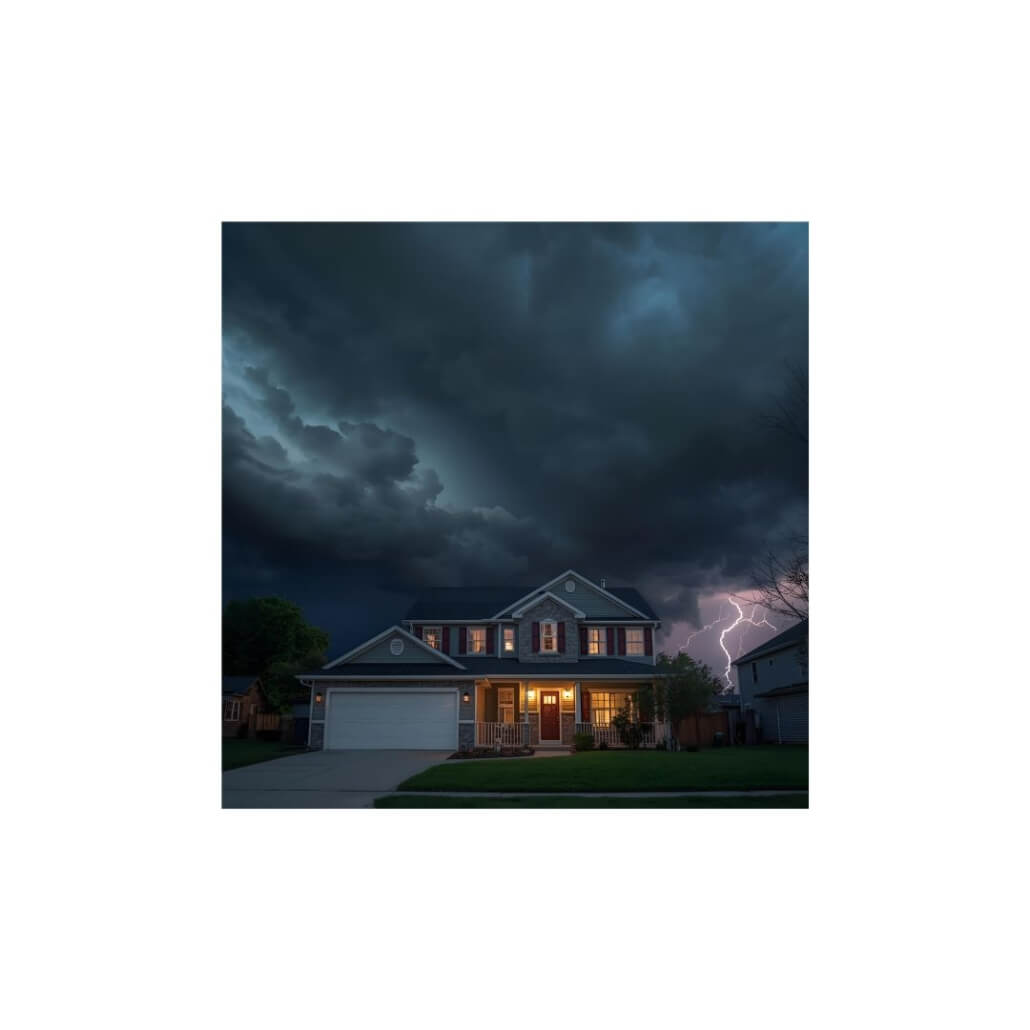
Storm Season Prep: What Your Insurance Should Cover Before Severe Weather Hits
🌪️ Storm Season Prep: What Your Insurance Should Cover Before Severe Weather Hits
When storm season rolls in, it often does so with little warning—bringing heavy winds, hail, flooding, lightning, and sometimes catastrophic damage. The time to prepare is before the first dark cloud appears on the horizon. Whether you’re a homeowner, renter, or business owner, understanding what your insurance covers (and doesn’t cover) can save you stress, money, and heartache.
Let’s break it all down so you can face storm season with confidence.
🌧️ 1. Wind & Hail Damage: What’s Usually Covered?
Most standard homeowners insurance policies cover damage caused by windstorms and hail. This often includes:
-
Damage to your roof
-
Broken windows
-
Siding damage
-
Falling tree damage
-
Detached structures like sheds or fences
However, coverage can vary by state and carrier. Some storm-prone areas have separate windstorm or hurricane deductibles, which are typically a percentage of your home’s insured value—not a flat dollar amount.
👉 Tip: Review your wind/hail deductible now. Many homeowners are surprised by how high it can be during a claim.
🌊 2. Flooding: A Major Risk That’s Not Covered by Standard Policies
One of the biggest misconceptions is that homeowners insurance covers flooding—it does not.
You typically need a separate flood insurance policy, either through the National Flood Insurance Program (NFIP) or a private insurer. Flood insurance covers things like:
-
Rising water from heavy rain
-
Overflowing rivers or lakes
-
Storm surge
-
Groundwater saturation
If you live in a low-risk flood zone, flood insurance is often very affordable—and worth every penny in a major storm.
👉 Action Step: Check your property’s flood zone and consider adding flood insurance if you don’t already have it.
🔥 3. Lightning Strikes & Power Surges
Lightning can cause serious damage to your home’s electrical system and appliances. Fortunately, most homeowners policies cover lightning strikes and the resulting power surges.
Covered damage can include:
-
Burned-out HVAC systems
-
Destroyed electronics
-
Fire caused by lightning
-
Electrical wiring damage
Consider adding equipment breakdown coverage for extra protection—it’s inexpensive and covers mechanical/electrical failures that standard policies don’t.
🌬️ 4. Water Damage: The Tricky (and Often Confusing) Coverage
Not all water damage is treated equally in insurance policies. Here’s a quick breakdown:
Usually Covered:
-
Wind-driven rain entering through a storm-created opening
-
Burst pipes during a cold front
-
Roof leaks caused by storm damage
Usually NOT Covered:
-
Water entering due to poor maintenance
-
Seepage over time
-
Flooding from outside the home
👉 Pro Tip: Document your home’s condition before storm season. Insurers may deny claims caused by pre-existing damage or lack of maintenance.
🏡 5. Replacement Cost vs. Actual Cash Value: Why It Matters
When storm damage happens, the difference between policy types can be huge:
🔹 Replacement Cost (RCV)
Pays to replace or repair damaged items at today’s prices.
🔹 Actual Cash Value (ACV)
Pays based on the item’s depreciated value.
For roofs especially, the difference can be thousands of dollars.
👉 Check your policy: Are you covered for RCV or ACV? If you’re on ACV, upgrading may save you big in the long run.
🧾 6. Document, Document, Document
Before storm season:
-
Take photos and videos of your home and belongings
-
Keep receipts for major purchases
-
Store important documents in a waterproof container
-
Make a digital copy of your insurance policy
-
Create a home inventory (apps make this easy!)
The more documentation you have, the smoother the claims process will be if you ever need to file one.
🛠️ 7. Don’t Forget Preventative Maintenance
Insurance is there to help when the unexpected happens—but carriers expect homeowners to perform normal maintenance.
Before storms hit:
-
Trim tree branches near your home
-
Clean gutters and downspouts
-
Secure outdoor furniture
-
Inspect your roof for loose shingles
-
Make sure sump pumps are working
-
Seal any gaps around windows or doors
These simple steps can reduce the risk of damage and ensure your claim isn’t denied for neglect.
🧑💼 8. When in Doubt, Ask Your Independent Agent
Storm coverage varies by state, carrier, and policy type. Your independent insurance agent can:
-
Review your current coverage
-
Identify gaps you may not notice
-
Suggest helpful add-ons (flood, sewer backup, equipment breakdown, etc.)
-
Compare prices across multiple carriers
-
Offer advice specific to your region
You’re never stuck with a one-size-fits-all policy—use your agent as a resource!
Final Thoughts: Be Prepared, Not Panicked
Storm season doesn’t have to be scary. With the right insurance coverage, proper maintenance, and a little planning, you can protect your home or business from the worst of Mother Nature.
If you want help reviewing your policies or making sure you’re properly protected before the storms roll in, reach out—we’re here to guide you every step of the way.
You can experience being a part of and full-serviced independent Insurance Agency today! Simply contact Briggs Agency Inc, if you are interested in an insurance review at 219-769-4840 or visit our website at www.BriggsAgency.com. We look forward to hearing from you!
Blog post written by: Zachary Pelke

