5 Things People Think Insurance Covers (But Usually Doesn’t)

5 Things People Think Insurance Covers (But Usually Doesn’t)

Insurance is one of those things we think we understand… until we actually need it. Then suddenly, it’s all “Wait—this isn’t covered?!”

You’re not alone. As an independent insurance agency, we hear the same misunderstandings over and over again. So let’s clear things up—without the boring fine print talk.

Here are five very common things people assume insurance covers, but usually doesn’t, and what you can do instead.


1. Flood Damage 🌊

The assumption:
“My homeowners insurance will cover flood damage, right?”

The reality:
Usually… nope. Flood damage is almost always excluded from standard homeowners and renters insurance policies.

Insurance companies define a “flood” very specifically—typically as water rising from the ground (think heavy rain, storm surge, overflowing rivers). Even just a few inches of water can cause tens of thousands of dollars in damage, and a regular homeowners policy won’t step in.

What is covered instead?

  • Burst pipes

  • Accidental overflows (like a washing machine leak)

  • Rain damage if it enters through a covered opening

What to do:
If you live in a flood-prone area—or honestly, anywhere—a separate flood insurance policy is worth discussing. Flooding can happen far outside of high-risk zones.

👉 Fun fact: Over 20% of flood claims come from low-to-moderate risk areas.


2. Normal Wear and Tear 🏚️

The assumption:
“My insurance will help replace my old roof/appliances/AC system.”

The reality:
Insurance is designed for sudden and accidental losses, not aging or maintenance issues.

That means things like:

  • An old roof wearing out

  • A water heater dying from age

  • Faded siding or cracked driveways

…are considered home maintenance, not insurable events.

What is covered instead?
If that older roof is damaged by:

  • A windstorm

  • Hail

  • A fallen tree

Then that damage may be covered—depending on your policy.

What to do:
Keep up with maintenance and ask about:

  • Roof age limitations

  • Actual cash value vs. replacement cost coverage

These details matter more than most people realize.


3. Expensive Jewelry, Art, or Collectibles 💍🎨

The assumption:
“My homeowners insurance covers my engagement ring or collectibles.”

The reality:
Most policies have strict limits on high-value items. For example:

  • Jewelry may be capped at $1,500–$2,500

  • Fine art, collectibles, or firearms often have low sub-limits too

So if a $7,000 ring is stolen, you might only get a fraction back.

What to do:
This is where scheduled personal property comes in. By specifically listing valuable items:

  • Coverage is higher

  • Deductibles may be lower

  • Protection is broader (often even worldwide!)

✨ Bonus: Scheduling items is usually much more affordable than people expect.


4. Business Activities at Home 🏠💼

The assumption:
“I work from home—my homeowners insurance covers that.”

The reality:
Homeowners insurance is for personal use, not business operations.

Common uncovered situations include:

  • Client injuries in your home

  • Business equipment damage

  • Inventory losses

  • Professional liability claims

Even side hustles can create coverage gaps.

What to do:
Depending on what you do, you may need:

  • A home-based business endorsement

  • A business owners policy (BOP)

  • Professional liability coverage

This is especially important for freelancers, consultants, and online sellers.


5. “Anything That Goes Wrong” 😅

The assumption:
“If something bad happens, insurance will take care of it.”

The reality:
Insurance isn’t a catch-all safety net. Coverage depends on:

  • The cause of loss

  • Policy exclusions

  • Coverage limits

  • Deductibles

Things commonly not covered include:

  • Intentional damage

  • Illegal activities

  • Certain animal breeds or incidents

  • Neglect or repeated unresolved issues

What to do:
Read the policy (or let an agent explain it in plain English—way easier). Understanding why something is or isn’t covered helps prevent surprises later.


Final Thought: Assumptions Are Expensive 💸

Most insurance frustrations don’t come from bad policies—they come from misunderstandings.

That’s the value of working with an independent insurance agency. We’re not tied to one company, and our job is to:

  • Ask the right questions

  • Spot coverage gaps

  • Customize protection for your real life

If you’re not 100% sure what your policy covers, that’s your sign—it’s time for a review

Because insurance should bring peace of mind… not plot twists.


You can experience being a part of and full-serviced independent Insurance Agency today! Simply contact Briggs Agency Inc, if you are interested in an insurance review at 219-769-4840 or visit our website at www.BriggsAgency.com. We look forward to hearing from you!


Blog post written by: Zachary Pelke

How Insurance Has Changed Over the Decades—and Why It Looks So Different Today

How Insurance Has Changed Over the Decades—and Why It Looks So Different Today

Insurance has been around for centuries, but the insurance industry most people recognize today looks very different than it did even 30 or 40 years ago. From handwritten policies and handshake agreements to AI-driven underwriting and instant online quotes, insurance has evolved alongside society itself.

Understanding how insurance has changed over the decades—and why those changes happened—can help you make better coverage decisions today. Let’s take a look at where insurance started, how it evolved, and what it means for you now.


Insurance “Then”: Simpler Times, Fewer Risks 📄

1960s–1980s: Local, Personal, and Paper-Based

Decades ago, insurance was:

  • Sold almost exclusively through local agents

  • Managed with paper files and manual calculations

  • Based on fewer, more predictable risks

Policies were shorter, exclusions were limited, and claims moved slowly—but expectations were simpler too. Fewer lawsuits, less regulation, and lower replacement costs meant insurers didn’t need complex policy language to manage risk.

Why it worked:
Life moved slower, assets were simpler, and risks were easier to predict.


The Big Shift: Technology, Regulation, and Litigation ⚖️💻

1990s–Early 2000s: The Industry Starts to Change

This era brought major disruption:

  • Computers replaced filing cabinets

  • Call centers and 1-800 numbers emerged

  • Insurance pricing became more data-driven

  • National carriers expanded rapidly

At the same time, lawsuits increased, regulations expanded, and claim payouts grew larger. Insurance companies responded by tightening underwriting rules and adding more exclusions and endorsements.

Why insurance changed:
Risk became harder to predict—and more expensive when it went wrong.


Insurance “Now”: Fast, Complex, and Data-Driven 📊⚡

2010s–Today: More Risk, More Data, More Complexity

Modern insurance reflects the world we live in now:

  • Online quoting and instant pricing

  • Telematics and usage-based auto insurance

  • AI-assisted underwriting

  • Massive data modeling

But here’s the catch: faster doesn’t mean simpler.

Policies today are longer and more detailed because modern risks include:

  • Cyber liability

  • Identity theft

  • Gig economy and side hustles

  • Climate-related losses

  • High-cost litigation (“social inflation”)

Why insurance feels harder today:
Because the risks you face are more numerous, interconnected, and costly.


Why Insurance Costs Have Increased 💸

Many people ask, “Why is insurance so expensive now?”
The answer isn’t just inflation.

Key drivers include:

  • Rising construction and repair costs

  • More severe weather events

  • Increased legal settlements

  • Fraud and cybercrime

  • Regulatory changes by state

Insurance pricing today reflects future risk, not just past claims—and that risk is growing.


What Hasn’t Changed About Insurance 🤝

Despite all this change, some things remain exactly the same:

✔️ Insurance is still about financial protection
✔️ Policies still have gaps and limitations
✔️ Claims are still stressful when you’re alone
✔️ Advice still matters—maybe more than ever

Technology can quote a policy, but it can’t:

  • Explain exclusions in plain English

  • Anticipate life changes

  • Advocate for you during a claim

That’s where experienced, independent agents come in.


Why Independent Insurance Agencies Matter More Than Ever 🏡

As insurance has become more complex, having options matters.

Independent agencies:

  • Compare coverage from multiple carriers

  • Customize policies to real-life risks

  • Adjust coverage as your life or business changes

  • Help you understand why something is covered—or not

In a world of algorithms and automation, human guidance is the missing piece.


What This Means for You Today ✅

If your insurance hasn’t been reviewed in years, it may not reflect:

  • New risks you didn’t have before

  • Changes in replacement costs

  • New exclusions added quietly over time

  • Better options now available in the market

Insurance isn’t “set it and forget it” anymore—and it hasn’t been for decades.


Final Thoughts: Insurance Didn’t Get Worse—The World Got Riskier 🌍

Insurance has changed because life has changed. More technology, more assets, more legal exposure, and more unpredictable events mean coverage has to evolve too.

The good news? With the right guidance, modern insurance can offer better protection than ever before.

If you have questions about how today’s insurance landscape affects you, an independent review can make all the difference.


You can experience being a part of and full-serviced independent Insurance Agency today! Simply contact Briggs Agency Inc, if you are interested in an insurance review at 219-769-4840 or visit our website at www.BriggsAgency.com. We look forward to hearing from you!


Blog post written by: Zachary Pelke

If Movie Characters Had Insurance: Who’d Be Bankrupt First?


If Movie Characters Had Insurance: Who’d Be Bankrupt First?

Movies love chaos. Explosions, car chases, collapsing buildings—it’s all great entertainment. But if we slow things down for a moment and ask a very practical question, things get interesting fast:

If movie characters had real insurance coverage, who would still be standing financially… and who would be completely bankrupt?

Beyond the fun, this exercise actually highlights some very real insurance lessons that apply to everyday life. Let’s take a look.


1. The Superhero: Overpowered, Underinsured

Example: Iron Man, Batman, Superman

Superheroes cause (and prevent) catastrophic damage on a regular basis. Skyscrapers collapse. Vehicles are destroyed. Entire cities are leveled.

The Insurance Reality

Even the wealthiest superhero would struggle with:

  • Property damage claims in the billions

  • Liability lawsuits from injured bystanders

  • Umbrella policy limits that wouldn’t even come close to covering losses

Most personal and commercial policies exclude:

  • Acts of war

  • Intentional damage

  • Extremely high-risk activities

Even with extensive coverage, one major battle could exceed policy limits instantly.

Verdict:
💸 Bankrupt—unless they have a custom, high-limit liability and umbrella policy (and a very patient carrier).

Real-life takeaway:
If your lifestyle, assets, or profession increases your exposure to lawsuits, standard coverage may not be enough. This is where umbrella insurance becomes essential—not optional.


2. The Action Hero: The Walking Liability Claim

Example: James Bond, John Wick, Jason Bourne

Car chases through city streets. Hotels destroyed. International incidents everywhere.

The Insurance Reality

Action heroes would face:

  • Auto claims involving multiple vehicles and cities

  • Property damage across multiple countries

  • Personal liability claims for injuries and fatalities

  • Likely policy cancellations after claim #2

No personal auto policy is designed to survive this level of risk exposure.

Verdict:
💸 Bankrupt, uninsurable, and dropped by every carrier.

Real-life takeaway:
Frequent claims—especially large ones—can lead to higher premiums or non-renewal. Insurance is about managing risk, not surviving chaos.


3. The Home Alone Kid: Surprisingly Well Covered

Example: Kevin McCallister

Booby traps, property damage, and injured burglars—but all within a single residence.

The Insurance Reality

Assuming the family had a solid homeowner’s policy:

  • Property damage may be covered (minus intentional acts)

  • Liability coverage could respond to injuries sustained on the property

  • Medical payments coverage might apply

However, intentional injury exclusions could complicate things.

Verdict:
⚠️ Financially bruised, but probably not bankrupt.

Real-life takeaway:
Homeowners insurance does more than protect your house—it also protects you from liability when someone is injured on your property.


4. The Small Business Owner in a Disaster Movie: One Claim Away from Closing

Example: Restaurant owners, shopkeepers, or small businesses in disaster films

Earthquakes, fires, floods, power outages—businesses are hit hard and fast.

The Insurance Reality

Without the right coverage:

  • Property damage may not be fully insured

  • Flood and earthquake damage is often excluded

  • Business interruption losses can cripple cash flow

Many businesses fail not because of damage—but because they can’t operate while repairs are made.

Verdict:
💸 Bankrupt without proper planning.

Real-life takeaway:
Business insurance isn’t just about rebuilding—it’s about survival. Business interruption, extra expense, and disaster-specific coverage can make the difference between reopening and closing forever.


5. The Carefree Rom-Com Character: Quietly Well Protected

Example: The everyday professional in a romantic comedy

No explosions. No car chases. Just normal life events.

The Insurance Reality

These characters usually:

  • Drive responsibly

  • Own or rent modest property

  • Have predictable lifestyles

With properly structured auto, renters/homeowners, and liability coverage, they’d be fine.

Verdict:
Financially stable and insurable.

Real-life takeaway:
Most people don’t need extreme coverage—but they do need the right coverage. Gaps often exist simply because no one reviewed the policy recently.


6. The Villain: Denied, Denied, Denied

Example: Criminal masterminds, supervillains

Intentional acts. Illegal activity. Total destruction.

The Insurance Reality

Insurance policies universally exclude:

  • Intentional damage

  • Criminal acts

  • Fraud

No coverage. No appeals.

Verdict:
🚫 Denied across the board.

Real-life takeaway:
Insurance protects against accidents and unforeseen events—not intentional or illegal behavior.


The Bigger Lesson: Real Life Isn’t a Movie

While most of us won’t face exploding buildings or high-speed chases, the principles are the same:

  • Risk increases as your life changes

  • Assets need protection

  • Liability is often underestimated

  • Cheap coverage can become very expensive

That’s where an independent insurance agency makes a difference. Instead of fitting you into a one-size-fits-all policy, we evaluate:

  • Your lifestyle

  • Your assets

  • Your exposure to risk

  • Your future plans

And we build coverage that actually holds up when life gets messy—no movie magic required.


Final Thought

If movie characters had real insurance, many would be financially ruined by the end credits. The good news? You don’t have to be.

If you’re not sure whether your current coverage would survive a real-life plot twist, it may be time for a review.

Because in real life, there are no sequels after a total financial loss


You can experience being a part of and full-serviced independent Insurance Agency today! Simply contact Briggs Agency Inc, if you are interested in an insurance review at 219-769-4840 or visit our website at www.BriggsAgency.com. We look forward to hearing from you!


Blog post written by: Zachary Pelke

Moving to a New State? Here’s How Your Insurance Changes

Moving to a New State? Here’s How Your Insurance Changes

Moving to a new state is exciting—new home, new routines, maybe even a fresh start. But while you’re busy packing boxes and changing addresses, there’s one thing many people forget to update right away: their insurance.

And trust us—insurance does change when you cross state lines.

Here’s a clear, no-confusing-jargon breakdown of what changes, why it matters, and what you should do when you move to a new state.


Why Insurance Is State-Specific 📍

Insurance isn’t one-size-fits-all. Each state has its own:

  • Laws and regulations

  • Minimum coverage requirements

  • Risk factors (weather, traffic, crime, natural disasters)

That means the policy that worked perfectly in your old state may not be valid, compliant, or sufficient in your new one.


Auto Insurance: The Biggest Change

1. State Minimum Coverage Requirements

Every state sets its own minimum auto insurance limits. When you move:

  • Your current limits may be too low (or sometimes higher than required)

  • You could be out of compliance without realizing it

⚠️ Driving with the wrong coverage can lead to fines, license suspension, or denied claims.


2. Your Rate Will Likely Change

Even if nothing else changes—same car, same driver—your premium might.

Why?

  • Traffic density

  • Accident rates

  • Theft statistics

  • State insurance laws

Moving from a rural area to a major city? Rates often go up.
Moving to a lower-risk area? You might save money.


3. Registration & Insurance Go Hand-in-Hand

Most states require you to:

  • Register your vehicle within 30–90 days

  • Show proof of state-compliant insurance

Your insurer must issue a policy written for that specific state before registration can be completed.


Homeowners Insurance: It’s Not Just About the House 🏠

4. Coverage Needs Change by Location

Different states = different risks:

  • 🌪️ Tornadoes

  • 🌊 Flooding

  • 🔥 Wildfires

  • ❄️ Snow and ice damage

  • 🌎 Earthquakes

Your old policy may exclude or limit risks that are common in your new state.


5. Replacement Cost vs. Home Value

Construction costs vary widely by state. Your new home may:

  • Cost more to rebuild than expected

  • Require higher dwelling limits

  • Need updated endorsements

An incorrect replacement cost can leave you seriously underinsured after a loss.


6. Flood & Earthquake Coverage May Be Separate

Many homeowners are surprised to learn:

  • Flood insurance is not included in standard policies

  • Earthquake coverage is often optional

Some states make these coverages far more relevant than others—and skipping them can be a costly mistake.


Renters Insurance Still Matters (A Lot)

If you’re renting:

  • Your landlord’s insurance does not cover your belongings

  • State laws may impact liability requirements

Some states have higher liability risk, making renters insurance even more important—and thankfully, still very affordable.


Health Insurance: Networks & Rules Change

If you’re moving states:

  • Your current health plan may not be valid

  • Provider networks may not transfer

  • Deductibles and coverage levels can reset

📌 A move usually qualifies as a Special Enrollment Period, allowing you to switch plans without waiting for open enrollment.


Business & Side Hustle Insurance

Running a business or side hustle?
A move can affect:

  • Licensing requirements

  • Workers’ comp rules

  • Liability limits

  • State-specific regulations

Operating with the wrong policy could mean denied claims or compliance issues.


What You Should Do Before (or Right After) You Move ✅

Here’s a simple checklist:

✔️ Contact your insurance agent before the move
✔️ Update your address immediately
✔️ Review auto and home coverage limits
✔️ Ask about state-specific requirements
✔️ Shop carriers licensed in your new state
✔️ Bundle policies, if possible, to save money


Why Working with an Independent Agent Helps 🤝

Independent agents:

  • Understand state-by-state differences

  • Shop multiple carriers on your behalf

  • Help you avoid coverage gaps

  • Customize policies to your new location

Instead of guessing—or finding out the hard way—you get guidance tailored to where you actually live.


Final Thoughts ✨

Moving to a new state is a big life change. Your insurance should change with it—not lag behind.

A quick policy review now can save you:

  • Stress

  • Money

  • Major headaches later on

If you’re moving soon (or recently moved), now is the perfect time to make sure your coverage still fits your life.


You can experience being a part of and full-serviced independent Insurance Agency today! Simply contact Briggs Agency Inc, if you are interested in an insurance review at 219-769-4840 or visit our website at www.BriggsAgency.com. We look forward to hearing from you!


Blog post written by: Zachary Pelke

Turning 65? Insurance Changes You Should Know!

Turning 65? Insurance Changes You Should Know

Turning 65 is a big milestone—especially when it comes to your health insurance. For many people, this birthday brings new options, new rules, and important decisions that can affect both your healthcare and your budget for years to come.

Whether you’re retiring, still working, or helping a spouse navigate coverage, here’s what you need to know about insurance when you turn 65.


Medicare Eligibility Begins at 65 🏥

Most people become eligible for Medicare at age 65 if they:

  • Are a U.S. citizen or legal resident (for at least 5 years), and

  • Have worked and paid Medicare taxes (or are married to someone who has)

Medicare is not automatic for everyone, so understanding enrollment is critical.


Understanding the Parts of Medicare 🧩

Medicare is made up of several parts, each covering different services:

🔹 Medicare Part A (Hospital Insurance)

  • Covers inpatient hospital stays, skilled nursing facilities, hospice, and some home health care

  • Usually premium-free if you’ve worked at least 10 years (40 quarters)

🔹 Medicare Part B (Medical Insurance)

  • Covers doctor visits, outpatient care, preventive services, and medical equipment

  • Has a monthly premium (based on income)

  • Most people need to actively enroll

🔹 Medicare Part C (Medicare Advantage)

  • Offered by private insurance companies

  • Combines Part A and Part B, often includes prescription drugs, dental, vision, hearing, and more

  • Plans vary by location and carrier

🔹 Medicare Part D (Prescription Drug Coverage)

  • Helps cover the cost of medications

  • Optional, but important to enroll on time to avoid penalties


Important Enrollment Periods ⏰

Missing deadlines can lead to late enrollment penalties, so timing matters.

🟢 Initial Enrollment Period (IEP)

  • Starts 3 months before your 65th birthday

  • Includes your birthday month

  • Ends 3 months after

This is the best time to enroll if you’re not covered by employer insurance.

🟡 Special Enrollment Period (SEP)

  • Available if you’re still working and covered by a qualified employer health plan

  • Allows you to delay Medicare without penalties

🔴 General Enrollment Period

  • January 1 – March 31

  • Late enrollment penalties may apply


Still Working at 65? 👔

If you or your spouse is still working, your choices depend on:

  • Employer size

  • Whether the employer plan is considered creditable coverage

Some people delay Medicare Part B and Part D without penalties, while others should enroll right away. This is where professional guidance can make a big difference.


What About Your Current Health Insurance? 🔄

Turning 65 may affect:

  • Individual health plans

  • Marketplace (ACA) coverage

  • COBRA

  • Spousal coverage

In many cases, Medicare becomes your primary insurance, and keeping certain plans may no longer make sense—or may even cause issues with claims.


Costs to Expect 💰

While Medicare helps with healthcare costs, it doesn’t cover everything:

  • Deductibles and copays still apply

  • Original Medicare has no out-of-pocket maximum

  • Prescription drug costs vary by plan

Many people choose:

  • Medicare Supplement (Medigap) plans to reduce out-of-pocket costs

  • Medicare Advantage plans for bundled benefits and predictable expenses


Why Work with an Independent Insurance Agent 🤝

Medicare choices are not one-size-fits-all. An independent agent can:

  • Compare multiple carriers and plans

  • Explain options in plain language

  • Help avoid costly penalties

  • Ensure your doctors and medications are covered

Best of all—there’s no additional cost to work with an independent Medicare agent.


Final Thoughts ✅

Turning 65 is an exciting life transition, but insurance decisions made now can impact your healthcare for years to come. Understanding your options—and enrolling at the right time—can help you avoid stress, penalties, and unnecessary expenses.

If you’re approaching 65 or helping a loved one navigate Medicare, now is the time to get informed and explore your choices.


You can experience being a part of and full-serviced independent Insurance Agency today! Simply contact Briggs Agency Inc, if you are interested in an insurance review at 219-769-4840 or visit our website at www.BriggsAgency.com. We look forward to hearing from you!


Blog post written by: Zachary Pelke

The Most Expensive Insurance Mistakes We’ve Seen 

The Most Expensive Insurance Mistakes We’ve Seen

(And How to Avoid Making Them)

After years of working with individuals, families, and business owners, we’ve seen one hard truth play out again and again:

👉 Most costly insurance mistakes aren’t caused by bad luck — they’re caused by bad assumptions.

People often believe they’re “fully covered,” only to discover too late that a small oversight turned into a massive financial loss. Below are some of the most expensive insurance mistakes we’ve seen, why they happen, and how you can avoid them.


1. Choosing Price Over Protection 🏷️

One of the most common — and costly — mistakes is buying a policy based solely on price.

We’ve seen:

  • Homeowners save a few hundred dollars per year, then face tens of thousands in uncovered losses

  • Drivers carry state-minimum auto coverage and become personally responsible for injuries or lawsuits

  • Business owners underinsure to cut costs, only to face devastating claims

The reality:
Cheap policies often mean:

  • Lower coverage limits

  • Higher deductibles

  • Excluded or missing protections

Insurance isn’t about finding the lowest price — it’s about transferring risk. When coverage is inadequate, you become the backup insurance plan.


2. Being Underinsured on Home Replacement Cost 🏠

Many homeowners assume their policy will rebuild their home no matter what. Unfortunately, that’s not always true.

We’ve seen homes insured for:

  • Market value instead of rebuild cost

  • Outdated construction prices

  • Square footage that didn’t include additions or upgrades

With rising labor and material costs, underinsurance can leave homeowners tens or even hundreds of thousands of dollars short after a total loss.

Key takeaway:
Your home insurance should reflect what it costs to rebuild today — not what you paid for the house and not what Zillow says it’s worth.


3. Ignoring Policy Exclusions 🚫

A policy can look great on paper… until a claim is denied.

We’ve seen denied claims involving:

  • Flood damage (not covered under standard homeowners’ policies)

  • Sewer and drain backups without endorsements

  • Business-related property losses at home

  • Certain dog breeds or high-risk activities

The mistake: Assuming “all risks” really means everything.

The fix:
Know what your policy does not cover and add endorsements when necessary. Small add-ons can prevent massive losses.


4. Not Updating Insurance After Life Changes 🔄

Life changes fast. Insurance doesn’t update itself.

We’ve seen expensive mistakes after:

  • Renovations or home additions

  • Buying new vehicles or recreational toys

  • Teen drivers added too late

  • Marriage, divorce, or business growth

  • Starting a side business from home

When coverage isn’t updated, claims may be limited — or denied altogether.

Rule of thumb:
If your life changes, your insurance should change with it.


5. Skipping Umbrella Insurance ☂️

Umbrella insurance is one of the most misunderstood coverages — and one of the most valuable.

We’ve seen lawsuits exceed auto or homeowners’ limits due to:

  • Serious car accidents

  • Injuries on someone’s property

  • Defamation or social media claims

  • Teen driver accidents

Without an umbrella policy, personal assets like savings, future income, and property can be at risk.

Good news:
Umbrella policies are usually very affordable for the amount of protection they provide.


6. Assuming “Full Coverage” Is a Real Thing 🚗

“Full coverage” is one of the most dangerous phrases in insurance.

It has no legal or technical meaning.

We’ve seen clients shocked to learn that “full coverage” didn’t include:

  • Rental reimbursement

  • Gap coverage

  • Adequate liability limits

  • Coverage for custom equipment

Truth:
Coverage is defined by limits, deductibles, and endorsements — not buzzwords.


7. Not Reviewing Policies Regularly 📋

Many people set their insurance once and forget it.

We’ve seen policies that:

  • Haven’t been reviewed in 5–10 years

  • No longer reflect current risks

  • Miss discounts or better coverage options

  • Contain outdated information

Insurance companies change. Laws change. Life changes.

Annual reviews help catch problems before they turn into financial disasters.


Final Thoughts: Most Insurance Regrets Are Preventable ✅

The most expensive insurance mistakes usually come down to:

  • Assumptions

  • Lack of reviews

  • Focusing on price instead of protection

The good news?
These mistakes are 100% preventable with proper guidance and regular policy checkups.

You can experience being a part of and full-serviced independent Insurance Agency today! Simply contact Briggs Agency Inc, if you are interested in an insurance review at 219-769-4840 or visit our website at www.BriggsAgency.com. We look forward to hearing from you!


Blog post written by: Zachary Pelke

What to Do After a Car Accident? Here’s an Insurance Checklist 

What to Do After a Car Accident: An Insurance Checklist

A car accident can be stressful, confusing, and overwhelming—especially if it’s your first one. Knowing exactly what to do in the moments and days after an accident can protect your health, your finances, and your insurance claim.

Use this step-by-step insurance checklist to stay calm, stay safe, and avoid costly mistakes.


1️⃣ Make Safety the Top Priority

Before thinking about insurance or paperwork, focus on safety.

✔️ Check yourself and others for injuries
✔️ Move to a safe location if vehicles are drivable
✔️ Turn on hazard lights
✔️ Call 911 immediately if anyone is injured

🚨 Important: Even minor accidents can cause injuries that aren’t obvious right away. When in doubt, get medical attention.


2️⃣ Call the Police (Yes—Even for Minor Accidents)

A police report can be one of the most important pieces of documentation for your insurance claim.

  • Provides an official record of the accident

  • Helps establish fault

  • Prevents disputes later

📝 Ask how to obtain a copy of the police report—you’ll likely need it when filing your claim.


3️⃣ Exchange Information With the Other Driver

Collect the following from everyone involved:

✔️ Full name and contact information
✔️ Insurance company & policy number
✔️ Driver’s license number
✔️ License plate number
✔️ Vehicle make, model, and year

📸 Pro tip: Take photos of insurance cards and driver’s licenses to avoid mistakes.


4️⃣ Document the Scene Thoroughly

The more evidence you have, the smoother your claim will be.

Take photos of:

  • Vehicle damage (close-up and wide shots)

  • The accident scene

  • Road conditions, skid marks, and traffic signs

  • Weather and lighting conditions

If there are witnesses, politely ask for:

  • Names

  • Phone numbers

  • A brief description of what they saw


5️⃣ Be Careful What You Say

It’s natural to want to apologize—but avoid admitting fault, even casually.

🚫 Don’t say:

  • “It was my fault”

  • “I didn’t see you”

  • “I’m sorry, I caused this”

✔️ Stick to facts when speaking with police and the other driver.

Fault is determined later by insurance companies based on evidence—not roadside conversations.


6️⃣ Notify Your Insurance Company Promptly

Contact your insurance provider as soon as possible, even if the accident wasn’t your fault.

You’ll typically need:

  • Date, time, and location of the accident

  • Description of what happened

  • Photos and police report (if available)

⏱️ Delaying notification can slow down—or even jeopardize—your claim.


7️⃣ Understand What Your Auto Insurance Covers

Depending on your policy, coverage may include:

  • Liability Coverage: Damage or injuries you cause to others

  • Collision Coverage: Damage to your vehicle

  • Comprehensive Coverage: Non-collision damage (theft, vandalism, weather)

  • Medical Payments / PIP: Medical expenses for you and passengers

  • Uninsured/Underinsured Motorist: Protection if the other driver lacks adequate insurance

👉 Not sure what you have? This is where a trusted insurance agent can help.


8️⃣ Decide Whether to File a Claim

Sometimes, paying out of pocket for minor damage may make sense—especially if repairs cost less than your deductible.

Consider:

  • Estimated repair costs

  • Your deductible

  • Potential impact on future premiums

📌 An independent insurance agent can help you weigh your options before filing.


9️⃣ Get Your Vehicle Repaired the Right Way

  • Use a repair shop approved by your insurer—or one you trust

  • Keep copies of estimates and invoices

  • Ask about rental car coverage if your vehicle is undrivable

🚘 Some policies include rental reimbursement—others don’t.


🔟 Follow Up and Keep Records

Create a simple claim file that includes:

  • Police report

  • Photos and videos

  • Medical bills and repair invoices

  • Emails and notes from conversations

Good documentation = fewer headaches.


Bonus Tip: Review Your Insurance After the Accident

A car accident is often a wake-up call.

It may be time to:

  • Adjust coverage limits

  • Add uninsured motorist coverage

  • Consider an umbrella policy

  • Re-shop rates with multiple carriers

💡 This is where working with an independent insurance agency really pays off.

You can experience being a part of and full-serviced independent Insurance Agency today! Simply contact Briggs Agency Inc, if you are interested in an insurance review at 219-769-4840 or visit our website at www.BriggsAgency.com. We look forward to hearing from you!


Blog post written by: Zachary Pelke

Top Insurance Mistakes We See in Crown Point, Indiana

Top Insurance Mistakes We See in Crown Point, Indiana

Crown Point is a great place to live and do business—but over the years, we’ve noticed many homeowners, drivers, and business owners making costly insurance mistakes without realizing it.

As a local independent insurance agency serving Crown Point and Northwest Indiana, here are the most common insurance mistakes we see, why they matter, and how you can avoid them.


1️⃣ Choosing Price Over Coverage

Everyone wants to save money—but focusing only on the lowest premium often leads to gaps in coverage.

Common issues we see:

  • High deductibles clients can’t afford

  • Missing coverages like uninsured motorist or sewer backup

  • Policies that don’t match real-life risks

👉 Cheaper insurance can end up costing far more after a claim.


2️⃣ Being Underinsured on Home Value

With rising construction costs in Lake County, many Crown Point homes are insured for less than it would cost to rebuild.

This happens when:

  • Home values aren’t updated

  • Renovations aren’t reported

  • Replacement cost vs. market value is misunderstood

🔥 If your home is underinsured, you may have to pay out-of-pocket after a major loss.


3️⃣ Skipping Flood or Sewer Backup Coverage

Flood damage is not covered by standard homeowners’ insurance—and sewer backup coverage is usually optional.

In Crown Point, we see:

  • Basement flooding from heavy rain

  • Sewer and drain backups

  • Water damage claims denied due to missing coverage

💡 A small add-on now can save tens of thousands later.


4️⃣ Not Updating Policies After Life Changes

Life moves fast—and insurance doesn’t update itself.

We often see forgotten updates after:

  • Buying a new car

  • Adding a teen driver

  • Getting married or divorced

  • Starting a home-based business

📌 Outdated policies = denied claims or incorrect coverage.


5️⃣ Carrying State-Minimum Auto Coverage

Indiana’s minimum auto insurance limits are often not enough to protect you financially.

If you cause a serious accident:

  • Medical bills can exceed limits quickly

  • You could be personally sued

  • Your savings and assets may be at risk

🛡️ Higher liability limits and umbrella coverage offer real protection.


6️⃣ Not Having Umbrella Insurance

Umbrella insurance is one of the most affordable ways to protect your assets, yet many Crown Point residents don’t carry it.

It provides:

  • Extra liability protection

  • Coverage beyond auto & home limits

  • Peace of mind for families and business owners

💰 Often costs less than $1/day.


7️⃣ Business Owners Using Personal Policies

We regularly see Crown Point business owners relying on personal auto or home policies for business activities.

⚠️ This can lead to:

  • Claim denials

  • No liability protection

  • Major financial exposure

Even small businesses need proper commercial coverage.


8️⃣ Never Reviewing Insurance Policies

Insurance should be reviewed at least once a year, yet many people haven’t looked at their policy in 5–10 years.

Rates change.
Coverage changes.
Your life changes.

🔍 Annual reviews often uncover:

  • Missing discounts

  • Better coverage options

  • Overlapping or unnecessary coverage


9️⃣ Buying Insurance Online Without Advice

Online insurance can be convenient—but it doesn’t explain:

  • What’s excluded

  • Where coverage gaps exist

  • How claims actually work

🤝 A local independent agent helps you understand what you’re buying, not just what you’re paying.


✅ How to Avoid These Mistakes

The best solution is simple:

  • Work with a local independent insurance agent

  • Review coverage annually

  • Ask questions before—not after—a claim

You can experience being a part of and full-serviced independent Insurance Agency today! Simply contact Briggs Agency Inc, if you are interested in an insurance review at 219-769-4840 or visit our website at www.BriggsAgency.com. We look forward to hearing from you!

Blog post written by: Zachary Pelke

Storm Season Prep: What Your Insurance Should Cover Before Severe Weather Hits

🌪️ Storm Season Prep: What Your Insurance Should Cover Before Severe Weather Hits

When storm season rolls in, it often does so with little warning—bringing heavy winds, hail, flooding, lightning, and sometimes catastrophic damage. The time to prepare is before the first dark cloud appears on the horizon. Whether you’re a homeowner, renter, or business owner, understanding what your insurance covers (and doesn’t cover) can save you stress, money, and heartache.

Let’s break it all down so you can face storm season with confidence.


🌧️ 1. Wind & Hail Damage: What’s Usually Covered?

Most standard homeowners insurance policies cover damage caused by windstorms and hail. This often includes:

  • Damage to your roof

  • Broken windows

  • Siding damage

  • Falling tree damage

  • Detached structures like sheds or fences

However, coverage can vary by state and carrier. Some storm-prone areas have separate windstorm or hurricane deductibles, which are typically a percentage of your home’s insured value—not a flat dollar amount.

👉 Tip: Review your wind/hail deductible now. Many homeowners are surprised by how high it can be during a claim.


🌊 2. Flooding: A Major Risk That’s Not Covered by Standard Policies

One of the biggest misconceptions is that homeowners insurance covers flooding—it does not.

You typically need a separate flood insurance policy, either through the National Flood Insurance Program (NFIP) or a private insurer. Flood insurance covers things like:

  • Rising water from heavy rain

  • Overflowing rivers or lakes

  • Storm surge

  • Groundwater saturation

If you live in a low-risk flood zone, flood insurance is often very affordable—and worth every penny in a major storm.

👉 Action Step: Check your property’s flood zone and consider adding flood insurance if you don’t already have it.


🔥 3. Lightning Strikes & Power Surges

Lightning can cause serious damage to your home’s electrical system and appliances. Fortunately, most homeowners policies cover lightning strikes and the resulting power surges.

Covered damage can include:

  • Burned-out HVAC systems

  • Destroyed electronics

  • Fire caused by lightning

  • Electrical wiring damage

Consider adding equipment breakdown coverage for extra protection—it’s inexpensive and covers mechanical/electrical failures that standard policies don’t.


🌬️ 4. Water Damage: The Tricky (and Often Confusing) Coverage

Not all water damage is treated equally in insurance policies. Here’s a quick breakdown:

Usually Covered:

  • Wind-driven rain entering through a storm-created opening

  • Burst pipes during a cold front

  • Roof leaks caused by storm damage

Usually NOT Covered:

  • Water entering due to poor maintenance

  • Seepage over time

  • Flooding from outside the home

👉 Pro Tip: Document your home’s condition before storm season. Insurers may deny claims caused by pre-existing damage or lack of maintenance.


🏡 5. Replacement Cost vs. Actual Cash Value: Why It Matters

When storm damage happens, the difference between policy types can be huge:

🔹 Replacement Cost (RCV)

Pays to replace or repair damaged items at today’s prices.

🔹 Actual Cash Value (ACV)

Pays based on the item’s depreciated value.

For roofs especially, the difference can be thousands of dollars.

👉 Check your policy: Are you covered for RCV or ACV? If you’re on ACV, upgrading may save you big in the long run.


🧾 6. Document, Document, Document 

Before storm season:

  • Take photos and videos of your home and belongings

  • Keep receipts for major purchases

  • Store important documents in a waterproof container

  • Make a digital copy of your insurance policy

  • Create a home inventory (apps make this easy!)

The more documentation you have, the smoother the claims process will be if you ever need to file one.


🛠️ 7. Don’t Forget Preventative Maintenance

Insurance is there to help when the unexpected happens—but carriers expect homeowners to perform normal maintenance.

Before storms hit:

  • Trim tree branches near your home

  • Clean gutters and downspouts

  • Secure outdoor furniture

  • Inspect your roof for loose shingles

  • Make sure sump pumps are working

  • Seal any gaps around windows or doors

These simple steps can reduce the risk of damage and ensure your claim isn’t denied for neglect.


🧑‍💼 8. When in Doubt, Ask Your Independent Agent 

Storm coverage varies by state, carrier, and policy type. Your independent insurance agent can:

  • Review your current coverage

  • Identify gaps you may not notice

  • Suggest helpful add-ons (flood, sewer backup, equipment breakdown, etc.)

  • Compare prices across multiple carriers

  • Offer advice specific to your region

You’re never stuck with a one-size-fits-all policy—use your agent as a resource!


Final Thoughts: Be Prepared, Not Panicked

Storm season doesn’t have to be scary. With the right insurance coverage, proper maintenance, and a little planning, you can protect your home or business from the worst of Mother Nature.

If you want help reviewing your policies or making sure you’re properly protected before the storms roll in, reach out—we’re here to guide you every step of the way.

You can experience being a part of and full-serviced independent Insurance Agency today! Simply contact Briggs Agency Inc, if you are interested in an insurance review at 219-769-4840 or visit our website at www.BriggsAgency.com. We look forward to hearing from you!

Blog post written by: Zachary Pelke

Why Every Business Needs Workers’ Compensation Coverage

Why Every Business Needs Workers’ Compensation Coverage

Running a business means taking care of the people who make your company function—your employees. While no employer wants to imagine a workplace injury, the truth is that accidents happen, even in low-risk environments like offices or retail shops. Workers’ Compensation Insurance provides essential protection for both the business and the employee when the unexpected occurs.

In this article, we’ll break down why every business—large or small—needs workers’ compensation coverage and how the right policy can save you from devastating financial and legal consequences.


What Is Workers’ Compensation Insurance?

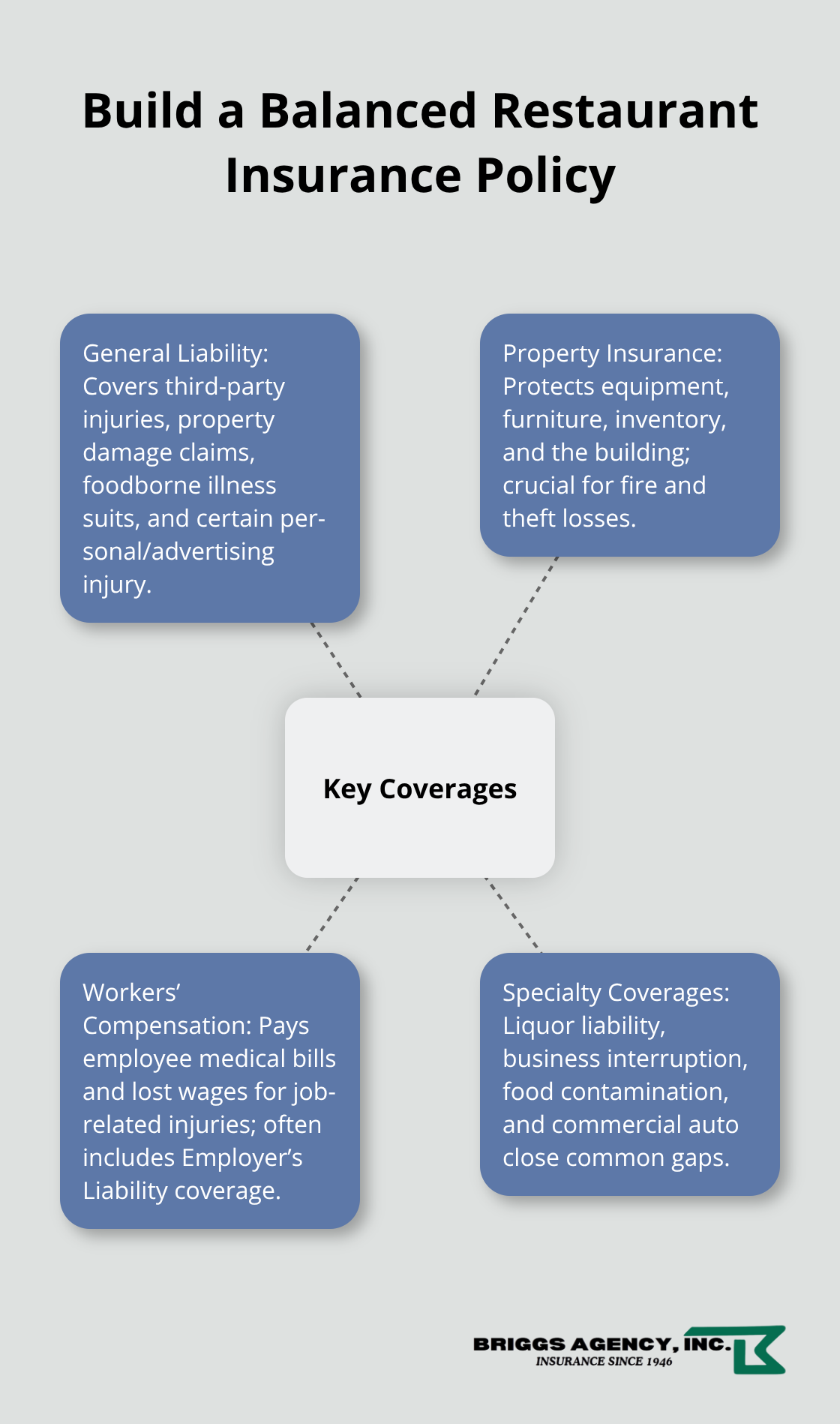
Workers’ compensation (often called “workers’ comp”) is a form of insurance that provides benefits to employees who are injured or become ill as a result of their job. It typically covers:

  • Medical treatment

  • Lost wages during recovery

  • Ongoing disability benefits

  • Death benefits for dependents

In exchange for providing these benefits, employees give up the right to sue the employer for workplace injuries in most circumstances. This system protects both sides and helps ensure workers get the care they need quickly.


Is Workers’ Compensation Required by Law?

In most states, workers’ compensation is legally required for businesses with one or more employees. Requirements vary by state, but penalties for operating without proper coverage can include:

  • Fines

  • Stop-work orders

  • Criminal charges in severe cases

  • Responsibility for all injury costs out of pocket

Even if your business has just one part-time employee, you may still be legally obligated to carry coverage.


What Workers’ Compensation Covers

1. Medical Expenses

From emergency room visits to surgeries, medications, and physical therapy, workers’ comp covers the full cost of medical treatment related to a workplace injury or illness.

2. Lost Wages

If an employee needs time off to recover, workers’ comp provides partial wage replacement—typically a percentage of their regular pay.

3. Disability Benefits

Whether the injury leads to temporary or permanent disability, workers’ comp helps support employees who can no longer work at full capacity.

4. Death Benefits

In the tragic event of a fatal workplace accident, workers’ comp provides financial support to the dependent family members.


Why Every Business Needs Workers’ Comp (Even Small Ones)

✔ Protection From Costly Medical Bills

A single workplace injury can cost tens of thousands of dollars. Without workers’ comp, the employer is legally responsible for every penny.

✔ Lawsuit Protection

Workers’ comp protects businesses from employee lawsuits related to workplace injuries. Without it, legal fees alone can cripple a business.

✔ Coverage Even in Low-Risk Jobs

Accidents happen everywhere. Common claims even in “safe” workplaces include:

  • Slips and falls

  • Repetitive stress injuries

  • Lifting injuries

  • Carpal tunnel syndrome

No industry is immune to risk.

✔ Helps Attract and Retain Employees

Employees feel safer and more valued when they know they’re protected. This boosts morale and can improve retention.

✔ Helps Keep Your Business Compliant

Staying compliant with state laws avoids fines and protects your business reputation.


What Happens If You Don’t Carry Workers’ Comp

Operating without required workers’ comp coverage can lead to:

  • Severe fines

  • Personal liability for injury costs

  • Civil lawsuits from injured workers

  • Criminal penalties in some states

The financial impact of even one uncovered injury can put a small business out of operation.


How Much Does Workers’ Compensation Insurance Cost?

Workers’ comp costs vary based on:

  • Your industry

  • Number of employees

  • Annual payroll

  • Claims history

Low-risk businesses often pay far less than they expect. For many small businesses, workers’ comp is one of the most affordable coverages they carry.


How to Choose the Right Policy

Look for a policy that offers:

  • Coverage that complies with your state’s requirements

  • Support for claims management

  • Access to workplace safety resources

  • Affordable premium options

  • Guidance from an independent insurance agent who can shop multiple carriers

As an independent agency, we compare options from several top-rated insurers to help you find the right coverage at the best price.


Conclusion

Workers’ Compensation Insurance is more than just a legal requirement—it’s a crucial safety net that protects your employees and your business. From covering medical expenses to preventing lawsuits, workers’ comp keeps your business running smoothly, even when accidents happen.

You can experience being a part of and full-serviced independent Insurance Agency today! Simply contact Briggs Agency Inc, if you are interested in an insurance review at 219-769-4840 or visit our website at www.BriggsAgency.com. We look forward to hearing from you!

Blog post written by: Zachary Pelke