
Commercial Trucking Insurance: Protecting Your Fleet on the Road
Running a trucking operation means managing countless moving parts, and commercial trucking insurance is one of the most important decisions you’ll make for your business. At Briggs Agency, Inc., we’ve helped fleet owners navigate coverage options that actually protect their assets and bottom line.
The right policy covers everything from liability claims to cargo damage, but choosing it requires understanding your specific risks. We’ll walk you through what matters most for your fleet.
What Your Trucking Insurance Actually Covers
Liability Coverage: The Foundation of Your Protection
Liability coverage protects you when your truck causes bodily injury or property damage to someone else. This is the foundation of any trucking policy and is legally required in every state. Bodily injury liability covers medical expenses, lost wages, and pain-and-suffering claims when your truck injures another person. Property damage liability covers repairs or replacement of damaged vehicles, buildings, or infrastructure.
Most policies set separate limits for each-for example, $100,000 per person and $300,000 per accident for bodily injury, with $50,000 for property damage. However, many fleet operators find these minimums insufficient given the rising cost of litigation. Multi-million-dollar awards are becoming more common in trucking liability cases. This trend means higher liability limits are increasingly practical rather than optional.
Physical Damage Coverage: Protecting Your Assets
Physical damage coverage protects your own trucks and cargo. Collision insurance pays for truck damage from accidents, while comprehensive coverage handles theft, weather, vandalism, and other non-collision events. Cargo insurance is equally important-it covers goods in transit from loss or damage, which directly affects your client relationships and contract compliance.
Physical damage insurance showed strong underwriting performance in 2024 with an estimated 88.6% combined ratio, making it one of the most competitively priced coverage lines available. This means you can secure solid rates without sacrificing protection.
Specialized Coverage: Filling Operational Gaps
Specialized coverage fills gaps that standard policies leave open. Bobtail insurance protects your truck when operating without a trailer, which is critical for deadhead runs or repositioning your fleet. Non-trucking liability covers liability exposure when leased drivers use the truck for personal purposes. Trailer interchange insurance protects you against damage to trailers owned by others while in your care.
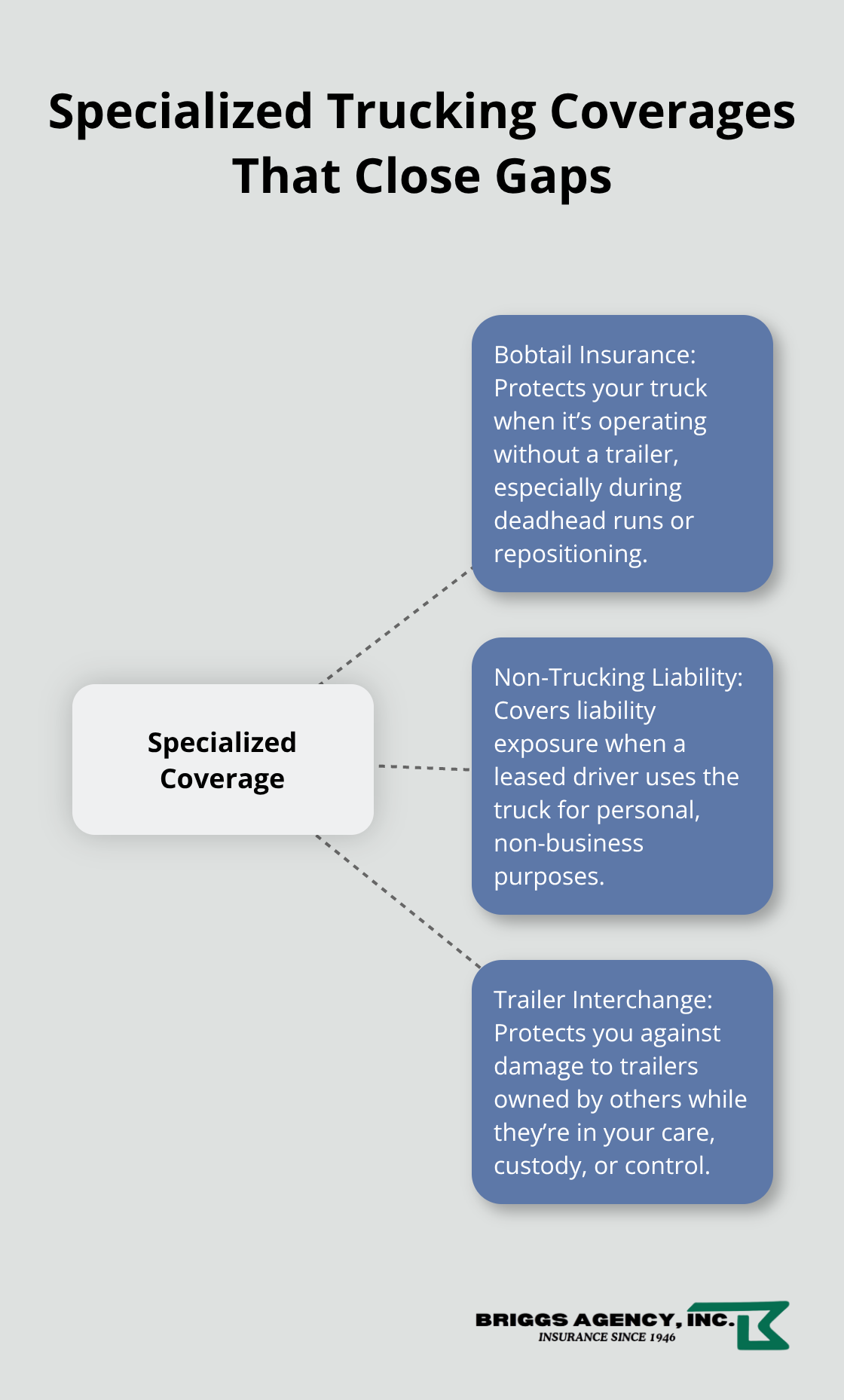
These specialized options address real operational gaps. If a driver uses your truck to run a personal errand and causes an accident, standard liability won’t cover it-non-trucking liability will. The cost to add these endorsements is minimal compared to the exposure they eliminate. Understanding which gaps apply to your operation sets the stage for selecting appropriate coverage limits and deductibles that match your actual risk profile.
Why Your Fleet Needs Commercial Trucking Insurance
Federal and State Compliance Requirements
Federal and state regulations mandate that you carry insurance-there’s no option to skip it. The Federal Motor Carrier Safety Administration requires interstate carriers to file proof of financial responsibility through forms BMC-91 and BMC-34. BMC-91 covers bodily injury and property damage up to specific minimums based on your cargo type and vehicle weight. Operating without proper filings costs you your operating authority and exposes you to substantial fines. Compliance forms the foundation, but adequate coverage protects far more than your legal standing.
Protection Against Catastrophic Liability Claims
The real reason to carry adequate coverage is financial protection against claims that can destroy a business. Verdict severity in trucking liability cases has risen sharply, with multi-million-dollar awards increasingly common. If your policy limits fall short, you become personally liable for the difference-creditors pursue your business assets, equipment, and personal savings. This happens regularly to under-insured carriers who cut corners on coverage limits.
Cargo Theft and Physical Damage Exposure
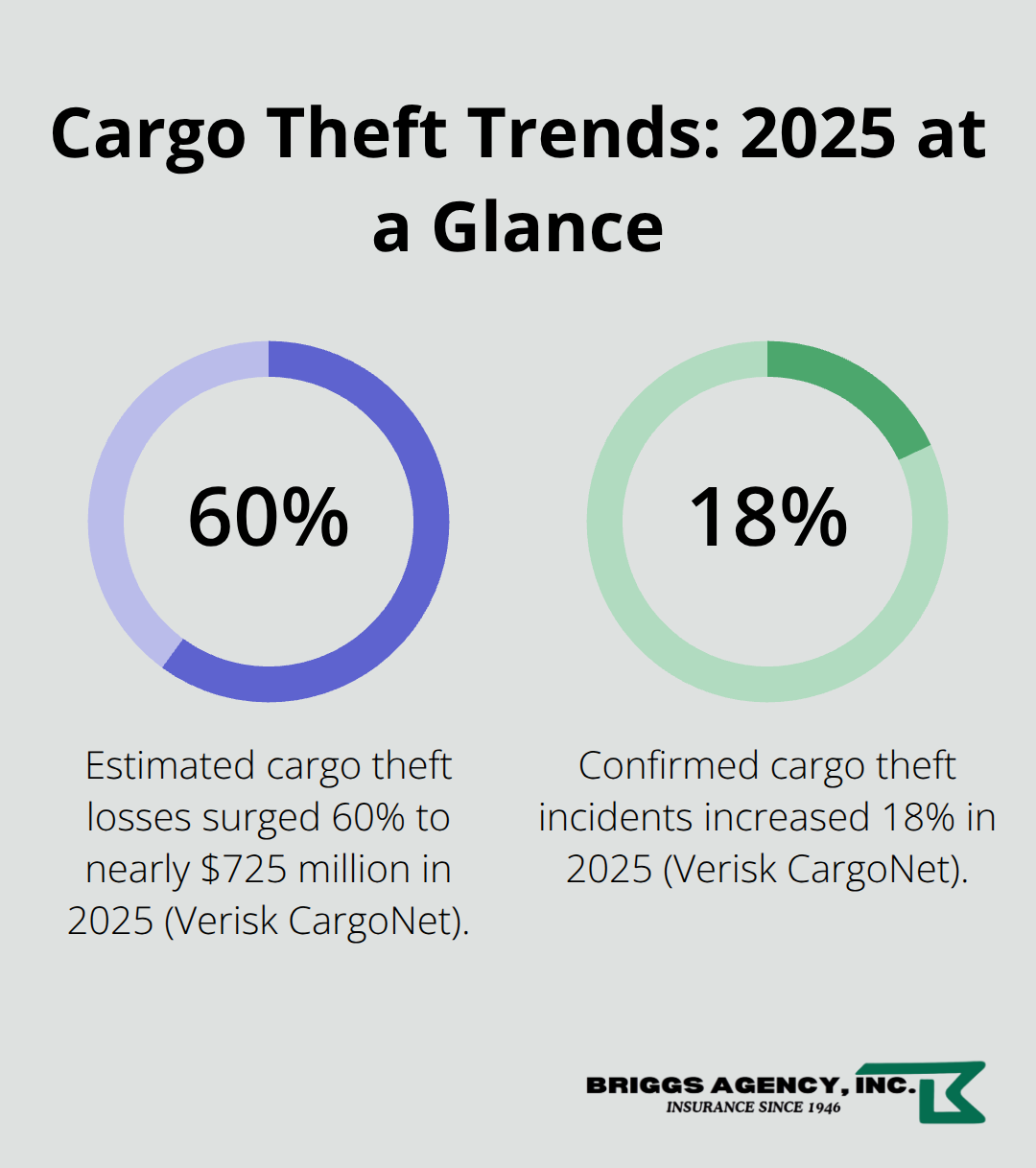
Financial exposure extends beyond accidents. Cargo theft hit record levels in 2024 and remained elevated into 2025, particularly for food, metals, and electronics shipments according to Verisk CargoNet data. Without cargo coverage, a single theft wipes out your profit margin on that load. Physical damage claims from weather events, mechanical failures, or collisions sideline your truck for weeks and kill cash flow when you can’t generate revenue.
Bridging Income Loss During Repairs
Rental reimbursement and downtime coverage help bridge the gap created by vehicle downtime. These endorsements cover rental truck costs or lost income while your vehicle undergoes repair. For owner-operators and small fleets especially, one major claim without proper coverage forces you out of business. The peace of mind comes from knowing that when something goes wrong-and in trucking, it will eventually-your policy covers the exposure rather than your bank account.
Choosing Coverage That Matches Your Risk
Understanding your actual operational risks determines whether your coverage limits and deductibles align with your exposure. The next section walks you through how to assess your fleet’s specific needs and select a policy that protects your operation without leaving gaps.
How to Size Your Coverage to Your Operation
Map Your Fleet and Operational Footprint
Start by mapping your actual fleet and operational footprint, not industry generalizations. The number of trucks you operate, whether you run regional or interstate routes, and the types of cargo you haul directly determine which coverage limits make financial sense. A five-truck local operation hauling general freight faces different exposure than a twenty-truck fleet moving hazmat across state lines. Federal minimums exist, but they’re baseline thresholds, not targets.
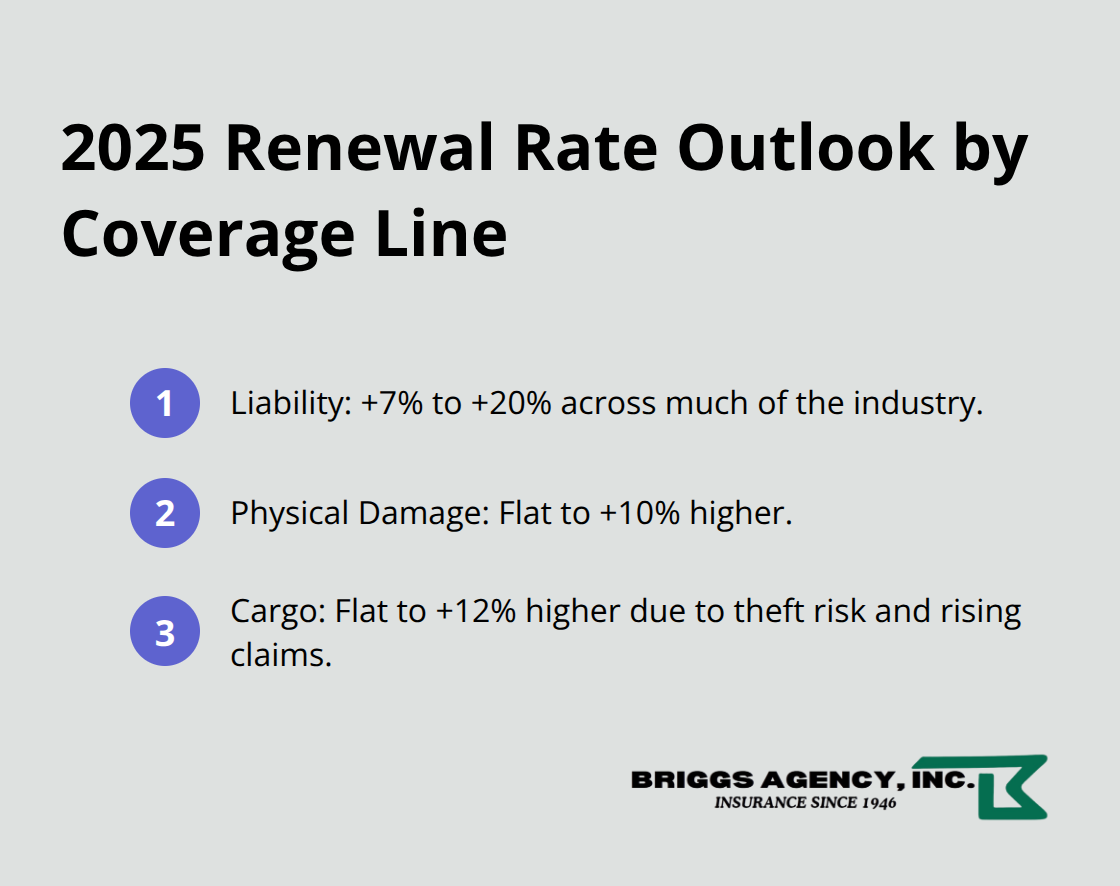
According to Inszone’s 2025 market update, liability renewal rates climb 7 to 20 percent for many fleets, with larger increases hitting carriers with adverse loss histories or high-hazard commodities. This pricing pressure means you need coverage limits that reflect your true operation, not just what regulators require.
Match Coverage Limits to Your Cargo and Routes
If you operate in high-density metro areas or transport high-value cargo like electronics or metals, your liability exposure justifies higher limits than a carrier running rural routes. Cargo theft data from Verisk CargoNet shows estimated losses surged 60% to nearly $725 million in 2025, with confirmed cargo theft incidents increasing 18%, so if those commodities move through your fleet, cargo coverage with appropriate limits becomes non-negotiable.
Your route selection and cargo type directly influence the coverage limits that protect your operation adequately. A hazmat carrier needs higher environmental liability limits than a general freight hauler. A fleet moving temperature-sensitive goods needs refrigerated cargo coverage that a dry goods operator doesn’t.
Choose Your Deductible Based on Safety Performance
Your deductible choice directly impacts your monthly premium and out-of-pocket exposure after a claim. Deductibles typically range from $1,000 to $2,500 for most small and mid-sized fleets. Higher deductibles lower premiums but increase your cash outlay when claims happen.
If your fleet has strong safety records and clean loss runs, accepting a $2,500 deductible can meaningfully reduce annual costs. If your drivers have recent violations or your fleet carries marginal safety ratings, a $1,000 deductible protects your cash flow when claims inevitably occur. The math works differently for each operation.
Partner with an Agent Who Understands Trucking
Finding an agent who actually understands trucking risks separates adequate coverage from gaps that destroy businesses. Generic commercial agents treat trucking like standard business liability, missing specialized exposures unique to your operation. An agent focused on trucking knows that bobtail insurance, non-trucking liability, and trailer interchange coverage address real operational blind spots, not optional add-ons.
They understand how your USDOT inspection history, driver hiring practices, and route selection influence underwriting decisions and premium pricing. Start your search by asking prospective agents specific questions about their trucking experience, which carriers they represent, and how they’ve handled claims for similar fleets.
Request Detailed Comparisons Across Multiple Carriers
Agents who can articulate the difference between collision and comprehensive coverage, explain why cargo coverage matters for your specific commodities, and discuss how safety technology like dashcams and telematics influence premiums demonstrate genuine trucking expertise. Request a detailed comparison of coverage limits and deductibles across at least two carriers before committing.
Inszone’s 2025 guidance emphasizes starting renewal submissions 120 to 180 days before expiration with clean loss runs and detailed risk information to improve pricing leverage. An experienced trucking agent handles this timeline and documentation, positioning your fleet competitively across the market rather than accepting the first quote. We at Briggs Agency, Inc. represent multiple carriers, allowing our local agents to compare options that match your specific fleet profile and budget.
Final Thoughts
Your commercial trucking insurance costs reflect factors you control-fleet size, driver hiring practices, vehicle age, safety records, and route selection-plus market conditions beyond your influence. In 2025, liability renewal rates climb 7 to 20 percent across the industry, with larger increases hitting fleets that carry adverse loss histories or high-hazard goods. Physical damage renewals track flat to 10 percent higher, while cargo coverage may see flat to 12 percent increases driven by ongoing theft risk and rising claim costs.
Coverage limits and deductible choices shape your actual protection when claims happen. Accepting higher deductibles reduces monthly payments but increases your out-of-pocket exposure after an accident. Choosing limits that match your cargo value and operational footprint prevents the catastrophic gap between what your policy covers and what you owe following a major claim.
Schedule a policy review annually or whenever your operation changes materially. An agent who understands trucking identifies coverage gaps, spots premium increases that signal market shifts, and adjusts your limits and deductibles to match your current risk profile. Contact Briggs Agency, Inc. today for a customized quote that reflects your actual operation, not industry averages.
The information provided in this blog is for general informational purposes only and does not constitute legal, financial, or insurance advice. Coverage options, terms, and availability may vary. Please consult with a licensed professional for advice specific to your situation.
Artificial intelligence may have been used to generate text and images in some blog articles.

