Protecting Your Ministry: Business Insurance for Churches

Running a church involves much more than Sunday sermons and community outreach. It’s a dynamic organization—often with staff, volunteers, events, vehicles, and even real estate assets to manage. Just like any other organization, churches face a variety of risks. That’s where business insurance for churches becomes essential.

At Briggs Agency, we understand the unique needs of religious institutions and offer tailored insurance solutions to help safeguard your mission.

Why Do Churches Need Business Insurance?

Many people don’t realize that churches have much in common with other small businesses when it comes to liability and property exposure. Here are just a few potential risks:

  • Property damage from fire, storms, or vandalism
  • Liability claims if someone is injured on church grounds
  • Employment-related lawsuits involving church staff
  • Theft or damage to valuable items like musical instruments, audio/visual equipment, or stained glass
  • Auto accidents involving church-owned or volunteer vehicles
  • Cybersecurity threats from online giving platforms or data breaches

Without the right coverage, your church could be financially vulnerable in the face of unexpected events.

What Types of Insurance Do Churches Need?

Each church is unique, but here are some common types of insurance policies we recommend:

  1. General Liability Insurance

Protects your church against claims of bodily injury or property damage that occur on the premises. This is a foundational policy that nearly every church should carry.

  1. Property Insurance

Covers physical structures, such as the sanctuary and fellowship hall, as well as contents like pews, sound systems, and computers.

  1. Workers’ Compensation

If your church has paid employees, workers’ comp is typically required by state law. It covers medical costs and lost wages for staff injured on the job.

  1. Professional Liability (Pastoral Counseling Insurance)

Protects clergy and staff who provide spiritual or emotional counseling. This coverage helps with legal fees if someone claims harm due to advice or guidance received.

  1. Commercial Auto Insurance

If your church owns vehicles—or if volunteers use their personal vehicles for church business—commercial auto insurance provides essential protection.

  1. Cyber Liability Insurance

With online donations and digital records becoming the norm, cyber liability insurance helps protect sensitive data from breaches or cyberattacks.

  1. Abuse and Molestation Coverage

This is a difficult but crucial area of protection. Having coverage in place can help your church respond appropriately and responsibly to any such allegations.

Customizing Coverage for Your Church

Every ministry is different. Whether you’re a small rural congregation or a multi-campus church with a large staff and bustling weekly events, we can tailor your insurance package to fit your specific risks and budget.

At Briggs Agency, we specialize in guiding churches through the insurance process with compassion, integrity, and experience. We’ll walk alongside you to identify your exposures, recommend the right policies, and ensure you’re fully covered—so you can focus on serving your community and your calling.

Let’s Talk About Your Church’s Needs

If you’re unsure what coverage your church currently has—or what you may be missing—we’d love to help. Contact Briggs Agency today for a free consultation or insurance review. We’re here to protect your ministry, so you can keep making a difference.

📞 219-769-4840
📧 Andrew@briggsagency.com

Exploring Bundling: Pros and Cons of Combining Insurance Policies

When it comes to managing your finances, efficiency and savings are often at the top of the list. One strategy many people consider when dealing with insurance is bundling — combining multiple insurance policies, like auto and home, under one provider. While it’s marketed as a smart move for your wallet, bundling isn’t always the best fit for everyone. Let’s take a closer look at the pros and cons of insurance bundling so you can decide if it’s the right move for you.

 The Pros of Bundling Insurance Policies

1. Discounts and Cost Savings

The biggest draw for bundling is the potential for multi-policy discounts. Many insurers offer a significant reduction — sometimes up to 25% — on your premiums when you bundle policies like home, auto, renters, or even life insurance.

2. Simplified Billing and Management

The Benefits of Bundling Your Insurance Policies - J.D. Chapman Agency


Managing one policy is easier than juggling several. Bundling typically means:

  • One point of contact

  • A single monthly payment

  • Unified renewal dates

This can make your financial life feel a lot more streamlined and manageable.

3. Stronger Loyalty Benefits

Insurers often reward long-term customers with added perks. When you bundle, you’re more likely to receive loyalty benefits like accident forgiveness, deductible waivers, or even priority claims service.

4. Potential for Better Coverage

Some companies offer enhanced coverage packages to bundled customers. These can include features like higher liability limits or added protection not offered in stand-alone policies.

The Cons of Bundling Insurance Policies

1. Not Always the Cheapest Option

While bundling usually offers savings, it’s not guaranteed. In some cases, you might find better deals by shopping around and using different insurers for different policies. Especially if your risk profile is unusual (e.g., a luxury car or a home in a high-risk area), bundling might not be the most cost-effective.

Bundling Insurance Can Mean More Coverage and Less Cost - Brooks, Todd ...

2. Limited Flexibility

Bundling locks you into one provider, which may limit your options. If you’re not happy with their customer service or if your needs change, it can be harder (and potentially more expensive) to switch just one policy.

3. One-Size-Fits-All Policies

Insurers often use standard packages for bundled policies, which may not suit your specific needs. This could result in paying for coverage you don’t need — or missing out on niche protections you do.

4. Confusing Fine Print

Not all bundles are created equal. Some discounts may apply only to specific coverages or may disappear after the first year. It’s important to read the fine print and ask questions before signing on the dotted line.


Is Bundling Right for You?

Bundling makes the most sense if:

  • You value convenience and like managing your policies in one place

  • Your insurance needs are relatively straightforward

  • You’ve compared quotes and found real savings with one provider

However, if you’re willing to do a bit more legwork and customize your coverage, keeping policies separate might give you better flexibility and cost efficiency in the long run.


Final Thoughts

Bundling insurance policies can be a savvy financial move — but it’s not a guaranteed win. The key is to compare, evaluate, and ask questions. Consider using an independent insurance agent or online comparison tools to see what kind of options you truly have.

At the end of the day, the best insurance setup is one that fits your life, your budget, and your peace of mind.

You can experience the benefits of being a part of a full-service Independent Insurance Agency today! Simply contact Briggs Agency, Inc. if you are interested in an insurance review at 219-769-4840 or visit our website at www.BriggsAgency.com. We look forward to hearing from you!

Surety Bonds for Contractors: What You Need to Know

In the world of construction and contracting, trust and accountability are everything. Clients want to know that their projects will be completed on time, within budget, and according to specifications. That’s where surety bonds come in. If you’re a contractor, understanding how surety bonds work can not only help you win more jobs but also build credibility and protect your business.

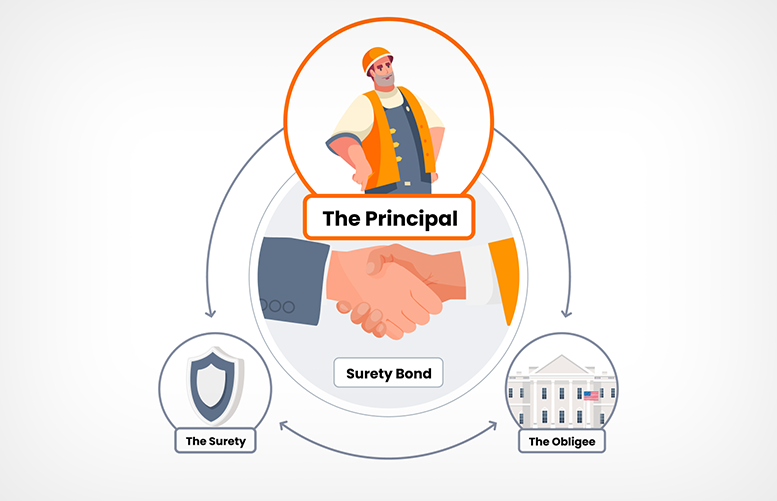
What is a Surety Bond | Bryant Surety Bonds

What Is a Surety Bond?

A surety bond is a three-party agreement between:

  1. The Principal – That’s you, the contractor.

  2. The Obligee – The client or project owner requiring the bond.

  3. The Surety – The company that issues the bond and guarantees your performance.

Essentially, a surety bond is a financial guarantee that you will fulfill your contractual obligations. If you don’t, the surety steps in to cover the cost or ensure the job gets done—often up to the full value of the bond.

Types of Surety Bonds for Contractors

There are several types of surety bonds, but the most common in the construction industry include:

1. Bid Bonds

A bid bond guarantees that you, as the bidder on a project, will enter into the contract and provide the required performance and payment bonds if awarded the job. It gives the project owner confidence that your bid is serious and that you’re financially capable of following through.

2. Performance Bonds

These ensure that you’ll complete the project according to the terms of the contract. If you default, the surety company may pay for completion or hire another contractor to finish the job.

3. Payment Bonds

These protect subcontractors, laborers, and suppliers by guaranteeing they will be paid even if the contractor runs into financial trouble.

4. Maintenance Bonds

Sometimes called warranty bonds, these cover workmanship and materials for a certain period after a project is completed, ensuring the client won’t face unexpected costs due to faulty work.

5. Contractor License Bonds

Contractor license bonds are often required by state or local licensing boards as a condition of getting or renewing a contractor’s license. These bonds ensure that you’ll comply with applicable laws, building codes, and regulations. If a client or the licensing board files a claim due to misconduct, negligence, or code violations, the bond can provide financial recourse.

Why Surety Bonds Matter

  • They’re often required by law. For example, federal projects over $150,000 require contractors to be bonded under the Miller Act.

  • They build trust. A bonded contractor is seen as more reliable and financially stable.

  • They help you win contracts. Many public and private project owners won’t even consider unbonded contractors.

How to Get a Surety Bond

To obtain a surety bond, you’ll need to go through a surety company or bonding agent. The process typically involves:

  • A credit check and financial review

  • Providing business and personal financial statements

  • Sharing your project history and experience

Rates vary depending on the size of the bond and your creditworthiness, but premiums generally range from 1% to 3% of the bond amount.

Final Thoughts

Surety bonds are more than just a box to check—they’re a vital tool for protecting your business, your clients, and your reputation. Investing the time to understand and secure the right bonds can open doors to larger, more lucrative projects and long-term growth.

If you’re new to bonding or unsure where to start, we will guide you through the process and find the right fit for your business needs.

Insurance Implications for Remote Workers

As remote work becomes increasingly popular, it’s essential for both employers and employees to understand the insurance implications that come with this shift. Here are some key areas to consider:

1. Workers’ Compensation Insurance

One of the primary concerns for remote workers is workers’ compensation insurance. This coverage is typically designed to protect employees from work-related injuries. However, remote work blurs the lines regarding what constitutes a work-related injury. Employers should clarify their policies to include situations where injuries occur while employees are working from home.

Recommendations:

  • Employers should review their workers’ compensation policies to ensure they cover remote work environments.

  • Employees should document their workspaces and report any injuries that occur while performing job-related tasks.

2. Liability Insurance

Liability insurance protects against claims arising from injuries or damage to property. For remote workers, this can include accidents that happen during work hours at home. Employers may need to consider whether their existing liability policies extend to remote employees.

Recommendations:

  • Employers should assess if their liability insurance covers remote work scenarios.

  • Employees should inform their employers about any significant changes to their home office setups that might affect liability.

3. Health Insurance

Health insurance remains a critical factor for remote workers, especially as they may face unique health challenges related to isolation or ergonomics. Employers should evaluate whether their health insurance offerings meet the needs of remote employees.

Recommendations:

  • Companies should ensure their health plans offer comprehensive coverage for mental health and ergonomic assessments.

  • Employees should take advantage of virtual health services to address any health concerns.

4. Cybersecurity Insurance

With remote work, the risk of cyber incidents increases significantly. Cybersecurity insurance helps protect businesses against data breaches and other cyber risks. Employers should assess their coverage to ensure it aligns with their remote work policies.

Recommendations:

  • Employers should invest in robust cybersecurity insurance that includes coverage for remote work vulnerabilities.

  • Employees should follow best practices for data security, such as using VPNs and secure passwords.

5. Home Office Insurance

Finally, employees may need to consider their own home insurance policies. Standard homeowner’s or renter’s insurance may not cover business equipment or liabilities incurred while working from home.

Recommendations:

  • Employees should check their home insurance policies to ensure they cover home office equipment and any business-related liabilities.

  • Employers can provide guidance or resources to help employees understand their insurance needs.

Conclusion

As remote work continues to evolve, understanding the insurance implications is crucial for both employers and employees. By proactively addressing these concerns, businesses can create a safer and more supportive work environment, ensuring that all employees are adequately protected, no matter where they work.

You can experience the benefits of being a part of a full-service Independent Insurance Agency today! Simply contact Briggs Agency, Inc. if you are interested in an insurance review at 219-769-4840 or visit our website at www.BriggsAgency.com. We look forward to hearing from you!

Blog post written by: Ryland Hochstetler

Insurance Considerations for Electric and Hybrid Vehicles

When considering insurance for electric and hybrid vehicles, several unique factors come into play. Here are some key considerations:

1. Higher Repair Costs

  • Electric and hybrid vehicles often have specialized components, such as batteries and electric motors, which can be expensive to repair or replace. Insurance premiums may reflect these higher costs.

    Electric Cars and Major Challenges for Auto Manufacturers

2. Safety Features

  • Many electric and hybrid vehicles come equipped with advanced safety features (e.g., automatic emergency braking, lane-keeping as

  • sist). While these features can reduce the likelihood of accidents, they may also increase repair costs if damaged.

3. Liability Coverage

  • As with any vehicle, liability coverage is essential. Consider the potential costs associated with accidents, especially given that electric vehicles can be heavier, potentially leading to more significant damages in a collision.

4. Comprehensive Coverage

  • Given the potential for damage to the vehicle’s battery and other electronic components, comprehensive coverage might be particularly important for electric and hybrid vehicles.

5. Mileage Considerations

  • Electric vehicles often have lower mileage costs due to fuel savings. However, insurance companies may offer discounts for low annual mileage, as this typically correlates with lower risk.

6. State Incentives and Regulations

  • Some states offer incentives for electric vehicle owners, which can influence insurance rates. It’s important to check local regulations and available incentives.

7. Insurance Discounts

  • Some insurers offer discounts for electric or hybrid vehicle owners, acknowledging their eco-friendly nature. Researching various providers

    Electric Car Battery Replacement Costs in 2024 [Updated]

  •  can help find the best deals.

8. Battery Replacement

  • The cost of battery replacement can be significant. Ensure that the insurance policy adequately covers this potential expense.

9. Theft Rates

  • Electric vehicles can sometimes have higher theft rates due to their value and desirability. This can impact insurance premiums.

10. Usage-Based Insurance Options

  • Some insurers offer usage-based policies that can lower costs for drivers who maintain safe driving habits, which may be appealing for many electric vehicle owners.

Conclusion

When insuring an electric or hybrid vehicle, it’s essential to compare quotes from multiple insurance providers, understand the specific coverage options available, and consider factors unique to these types of vehicles. This approach can help ensure adequate protection at a competitive price.

You can experience the benefits of being a part of a full-service Independent Insurance Agency today! Simply contact Briggs Agency, Inc. if you are interested in an insurance review at 219-769-4840 or visit our website at www.BriggsAgency.com. We look forward to hearing from you!

How Tornadoes Affect Insurance Coverage: What You Need to Know

Tornadoes are among nature’s most destructive forces, capable of causing extensive damage in a matter of minutes. As communities face the aftermath of these violent storms, understanding how insurance can be affected is crucial for homeowners and business owners alike. In this blog post, we’ll explore the impact of tornadoes on insurance policies, claims processes, and the steps you can take to ensure you’re adequately covered.

Understanding Tornado Damage

Tornadoes can result in a variety of damages, including:

  • Structural Damage: Homes and buildings can be severely damaged or completely destroyed.

  • Wind Damage: High winds can rip off roofs, shatter windows, and down power lines.

  • Flooding: Tornadoes often bring heavy rain, which can lead to flooding in affected areas.

Types of Insurance Affected

  1. Homeowners Insurance Most standard homeowners insurance policies cover tornado damage. This includes damage to the home itself, personal property, and liability protection if someone is injured on your property. However, coverage can vary, so it’s essential to review your policy’s specific terms.

  2. Business Insurance For businesses, commercial property insurance typically covers damage from tornadoes. This includes loss of inventory, equipment, and damage to the building. Business interruption insurance may also provide coverage for lost income during the recovery period.

  3. Flood Insurance While homeowners insurance often covers wind damage, it usually excludes flood damage. If you live in a tornado-prone area, consider purchasing a separate flood insurance policy to protect against flooding caused by severe weather.

The Claims Process After a Tornado

After a tornado strikes, filing an insurance claim can be a daunting process. Here are steps to help navigate the claims process:

  1. Ensure Safety First: Before assessing damage, make sure everyone is safe. Avoid entering heavily damaged structures.

  2. Document the Damage: Take photos and videos of the damage for your records. This documentation will be crucial when filing your claim.

  3. Contact Your Insurance Company: Notify your insurer as soon as possible. Provide them with the necessary details and documentation.

  4. Meet with an Adjuster: Your insurance company will likely send an adjuster to assess the damage. Be prepared to provide your documentation and any additional information they may need.

  5. Understand Your Coverage: Familiarize yourself with what your policy covers. This knowledge will help you advocate for yourself during the claims process.

  6. Be Patient: The claims process can take time, especially in the wake of a major disaster when many claims are filed simultaneously. Stay in touch with your insurer for updates.

Preventative Measures

While you can’t prevent tornadoes, you can take steps to minimize their impact on your insurance:

  • Review Your Policy: Ensure you have adequate coverage for tornado damage and additional flood insurance if needed.

  • Create an Emergency Plan: Having a plan in place can help you respond quickly and effectively in the event of a tornado.

  • Secure Your Property: Consider reinforcing your home or business to withstand high winds, such as installing storm shutters or reinforcing your roof.

Conclusion

Tornadoes can be devastating, but understanding how they affect your insurance can make a significant difference in your recovery. By being proactive about your coverage and knowing the claims process, you can ensure that you’re prepared for the unexpected. Stay safe and informed, and remember to review your insurance policies regularly, especially as weather patterns change.

By taking these steps, you can better protect yourself, your family, and your property from the destructive power of tornadoes.

You can experience the benefits of being a part of a full-service Independent Insurance Agency today! Simply contact Briggs Agency, Inc. if you are interested in an insurance review at 219-769-4840 or visit our website at www.BriggsAgency.com. We look forward to hearing from you!

Blog post written by: Ryland Hochstetler

Insurance Coverage for Airbnb Hosts

As the popularity of short-term rentals continues to surge, many homeowners are turning to platforms like Airbnb to supplement their income. While hosting can be a rewarding experience, it also comes with its share of risks. One of the most critical aspects of being an Airbnb host is understanding insurance coverage. In this post, we’ll explore the various types of insurance options available, how to ensure you’re adequately covered, and tips for navigating the complexities of hosting.

Understanding the Risks

Before diving into insurance options, it’s essential to recognize the potential risks associated with hosting guests in your home. These risks can include:

  • Property Damage: Guests may accidentally or intentionally damage your property.
  • Liability Claims: If a guest is injured on your property, you may face liability claims.
  • Theft: Personal belongings may go missing during a guest’s stay.
  • Regulatory Issues: Some local regulations require specific insurance coverage for short-term rentals.

Airbnb’s Host Guarantee and Host Protection InsuranceBest Airbnbs in the World - AllTheRooms - The Vacation Rental Experts

Airbnb offers its own set of protections for hosts through the Host Guarantee and Host Protection Insurance programs:

  1. Host Guarantee: This program provides up to $1 million in coverage for damages to your property caused by guests. However, it’s important to note that this coverage is not a substitute for homeowners insurance and has specific limitations.

  2. Host Protection Insurance: This program provides liability coverage of up to $1 million for claims made by guests or third parties who are injured on your property. Again, this is an added layer of protection but does not replace the need for comprehensive insurance.

While these programs offer some security, they are not foolproof. Hosts should consider additional insurance options for complete peace of mind.

Types of Insurance for Airbnb Hosts

1. Homeowners Insurance

Most traditional homeowners insurance policies do not cover short-term rentals. If you’re hosting guests regularly, it’s crucial to inform your insurance provider and potentially upgrade your policy to include short-term rental coverage.

2. Short-Term Rental Insurance

Specialized short-term rental insurance is designed specifically for hosts. These policies can cover property damage, liability, and loss of income due to property damage. Some companies that offer short-term rental insurance include Proper Insurance, Slice, and Host Assurance.

3. Umbrella Insurance

Umbrella insurance provides additional liability coverage beyond what standard homeowners or short-term rental insurance policies offer. This

Safeguard Your Space: The Ultimate Guide to the Best Insurance for ...

can be especially beneficial for hosts, as it protects against large claims that could exceed the limits of your primary policy.

Tips for Choosing the Right Coverage

  1. Assess Your Needs: Consider the frequency of your rentals, the type of property you’re renting, and the potential risks involved. This assessment will help determine the level of coverage you need.

  2. Read the Fine Print: Always review the terms and conditions of any insurance policy. Look for exclusions or limitations that could leave you vulnerable.

  3. Consult with an Insurance Agent: Speak with an insurance professional who understands the unique needs of short-term rental hosts. They can help you find the best coverage tailored to your situation.

  4. Keep Records: Document your property’s condition before and after guest stays. This can be crucial if you need to file a claim.

Conclusion

Being an Airbnb host can be a fulfilling venture, but it’s essential to protect yourself and your property with the right insurance coverage. By understanding the risks and exploring various insurance options, you can host with confidence, knowing you have a safety net in place. Always stay informed about local regulations and insurance requirements, as these can change frequently. With proper planning and coverage, you can enjoy the benefits of being an Airbnb host while minimizing potential pitfalls.

You can experience the benefits of being a part of a full-service Independent Insurance Agency today! Simply contact Briggs Agency, Inc. if you are interested in an insurance review at 219-769-4840 or visit our website at www.BriggsAgency.com. We look forward to hearing from you!

Homeowners Association Insurance

Many HOA boards underestimate their risk exposure, assuming that individual homeowner policies provide enough coverage. However, HOAs are legally and financially responsible for shared spaces, amenities, and community regulations, which require specialized insurance.

Key risks HOAs face include:
🏡 Property Damage – Fires, storms, and vandalism can cause costly repairs to common areas.
⚖️ Lawsuits & Liability – Residents, guests, or employees could file claims against the HOA for injuries or property damage.
💰 Financial Mismanagement – HOA board members handle large budgets, making the association vulnerable to fraud, theft, and financial errors.
🚧 Vendor & Contractor Issues – Third-party contractors working on HOA property could create additional liability risks.

Without the right insurance, your HOA could face unexpected expenses, leading to higher dues for homeowners or even legal action against board members.
________________________________________
Key Insurance Coverages for HOAs
1. General Liability Insurance: Protecting Against Lawsuits
HOAs are responsible for public spaces and common areas, meaning they can be held liable if someone is injured on the property.
🔹 Example: A visitor slips on an icy sidewalk maintained by the HOA and files a $75,000 lawsuit for medical expenses.
✅ What to Look For:
• Coverage for bodily injury & property damage claims
• Legal defense & settlement costs
• Protection against resident, visitor, or vendor lawsuits
________________________________________
2. Property Insurance: Covering Common Areas & Amenities
HOAs typically own and maintain clubhouses, pools, playgrounds, sidewalks, streetlights, and landscaping—all of which can suffer damage from storms, fires, or vandalism.
🔹 Example: A hailstorm damages the clubhouse roof and community fencing, leading to $100,000 in repairs.
✅ What to Look For:
• Coverage for community-owned buildings, pools, and playgrounds
• Protection against fire, storms, theft, and vandalism
• Business interruption coverage for rental income loss (if the HOA rents out a clubhouse or event space)
________________________________________
3. Directors & Officers (D&O) Insurance: Protecting Board Members
HOA board members make important financial and operational decisions. If homeowners disagree with board actions, they may sue individual board members for mismanagement, discrimination, or financial decisions.
🔹 Example: Homeowners sue the HOA board for allegedly mismanaging reserve funds, claiming financial negligence.
✅ What to Look For:
• Coverage for wrongful decisions, negligence, or financial mismanagement
• Legal defense costs for board members
• Protection against lawsuits from residents, employees, or vendors
________________________________________
4. Workers’ Compensation: Covering HOA Employees
If the HOA has employees or maintenance workers, workers’ compensation insurance is legally required in most states, including Indiana. Even if the HOA relies on volunteers, it could still be held liable for injuries that occur on the job.
🔹 Example: A maintenance worker injures their back while repairing a community fence. Workers’ comp covers their medical bills and lost wages.
✅ What to Look For:
• Medical expense coverage for work-related injuries
• Disability benefits for long-term injuries
• Legal protection if an injured employee sues the HOA
________________________________________
5. Crime & Fidelity Insurance: Protecting HOA Funds
HOAs collect thousands—or even millions—of dollars in fees from homeowners. Unfortunately, this makes them a target for fraud, embezzlement, and theft by board members or employees. Crime insurance protects the HOA’s financial assets.
🔹 Example: The HOA treasurer is caught embezzling $50,000 from the reserve fund. Crime insurance helps recover the stolen money.
✅ What to Look For:
• Coverage for fraud, forgery, and embezzlement
• Protection against financial theft by employees or board members
• Reimbursement for stolen funds
________________________________________
6. Cyber Liability Insurance: Protecting Digital HOA Records
HOAs often store sensitive homeowner information such as names, addresses, financial records, and payment details. A cyberattack or data breach could expose this data, leading to legal and financial consequences.
🔹 Example: Hackers breach the HOA’s online payment system, stealing credit card information from 200 homeowners.
✅ What to Look For:
• Coverage for data breaches and cyberattacks
• Legal cost reimbursement for affected residents
• Protection for online payment systems and digital HOA records
________________________________________
Who Needs HOA Insurance?
If your community is governed by an HOA, condo association, or planned unit development (PUD), insurance is essential to protect residents and board members from financial risk. This includes:
🏡 Single-Family Home HOAs – Managing shared spaces, pools, parks, and sidewalks.
🏢 Condo & Townhome Associations – Covering exterior buildings, hallways, and common areas.
🎾 Gated Communities & Neighborhoods – Protecting security gates, private roads, and community centers.
________________________________________
Why Choose Briggs Agency for HOA Insurance?
At Briggs Agency, we understand the complex risks facing homeowner associations. We offer:
✔ Custom insurance plans tailored to your community’s needs
✔ Competitive rates from top-rated insurance carriers
✔ Expert advice on risk management & board protection
Let’s Protect Your HOA Today!
📞 Call us at 219-796-4840 for a free insurance consultation.
💻 Visit BriggsAgency.com to learn more about our HOA insurance solutions.
With the right insurance, your HOA can focus on building a safe, well-maintained community—while protecting itself from unexpected financial risks. Let’s work together to ensure your residents, board members, and shared spaces are properly covered!

What to Know About Flood Insurance

Flooding can be a devastating event for homeowners and businesses alike. While homeowners insurance may cover some water damage, it typically does not include flooding. This is where flood insurance comes into play. If you’re considering adding a flood coverage to your policy or just want to understand it better, here are the key points you need to know about flood insurance.

1. What is Flood Insurance?

Flood insurance is a specific policy that provides coverage for property damage caused by flooding. It is essential for homeowners and renters in flood-prone areas, offering financial protection against losses that standard policies often exclude.

2. Types of Flood Insurance Policies

There are two primary types of flood insurance policies:

  • Building Coverage: This covers the physical structure of your home or business, including the foundation, walls, and essential systems (like plumbing and electrical).

  • Contents Coverage: This protects personal belongings within the structure, such as furniture, appliances, and electronics.

You can choose to purchase one or both types of coverage depending on your needs.

3. Who Needs Flood Insurance?

Flood insurance is vital for those living in high-risk flood areas, often referred to as Special Flood Hazard Areas (SFHAs). However, even if you’re not in a designated flood zone, it’s wise to consider flood insurance; over 20% of flood claims come from low- to moderate-risk areas.

4. How to Purchase Flood Insurance

Flood insurance can be obtained through private insurance companies, but it is often managed through the National Flood Insurance Program (NFIP). Here’s how to get started:

  • Determine Your Risk: Check the FEMA Flood Map Service Center to see if your property is in a flood zone.

  • Contact an Insurance Agent: Find a licensed insurance agent who specializes in flood insurance.

  • Understand Coverage Limits: Familiarize yourself with coverage limits and options that best suit your property and personal belongings.

5. Waiting Periods and Exclusions

Flood insurance policies typically have a 30-day waiting period before coverage takes effect. This means if you purchase a policy, you won’t be covered for flooding that occurs within the first month. Additionally, be aware of exclusions—most flood insurance policies do not cover:

  • Damage from mold or mildew
  • Damage to landscaping or fences
  • Personal property outside the building, such as cars and outdoor furniture

6. Understanding Premiums

Flood insurance premiums vary based on several factors, including:

  • Location: Properties in high-risk flood areas pay higher premiums.

  • Coverage Amount: The more coverage you choose, the higher the premium.

  • Building Structure: The age, elevation, and type of building can influence costs.

7. File a Claim

In the unfortunate event of a flood, knowing how to file a claim is crucial:

  • Document Damage: Take photos of the damage and keep a record of all items affected.

  • Contact Your Agent: Notify your insurance agent as soon as possible to start the claims process.

  • Be Prepared for Inspection: An insurance adjuster will likely inspect your property to assess the damage.

Conclusion

Flood insurance is an essential safeguard for homeowners and businesses in flood-prone areas. By understanding its nuances—what it covers, how to purchase it, and how to file claims—you can make informed decisions to protect your property and peace of mind. Whether you’re in a high-risk zone or just want extra security, flood insurance can be a vital part of your financial planning.

You can experience the benefits of being a part of a full-service Independent Insurance Agency today! Simply contact Briggs Agency, Inc. if you are interested in an insurance review at 219-769-4840 or visit our website at www.BriggsAgency.com. We look forward to hearing from you!

Blog post written by: Ryland Hochstetler

Essential Insurance for Distribution Facilities: Protecting Your Business & Assets

Running a distribution facility is no small task. Your operation relies on efficient logistics, warehouse management, and timely deliveries to keep supply chains moving. But with high-value inventory, constant shipments, and workforce activity, distribution centers face unique risks—from property damage and equipment breakdowns to cyber threats and liability claims.

At Briggs Agency, we specialize in custom insurance solutions designed for Indiana distribution facilities, helping you mitigate risks and protect your business from costly disruptions.

Here’s what you need to know about distribution facility insurance and how the right coverage can keep your operations running smoothly.

Why Distribution Facilities Need Specialized Insurance

A standard business insurance policy isn’t enough for a warehouse or distribution center. Your business faces unique risks such as:

📦 Inventory & Equipment Damage – Fires, floods, or theft can lead to significant financial losses.
🚛 Supply Chain Disruptions – Delays due to property damage, equipment failures, or cyberattacks can halt shipments.
👷 Employee & Visitor Injuries – Warehouses are high-risk environments with moving forklifts, heavy lifting, and machinery.
📊 Cyber Threats & Data Breaches – If your warehouse management system (WMS) or logistics software is compromised, it can disrupt operations.

A customized insurance policy can protect your business from financial and legal exposure, allowing you to focus on efficiency and growth.

Key Insurance Coverages for Distribution Centers

  1. Commercial Property Insurance: Protecting Your Warehouse & Inventory

Your warehouse, inventory, and equipment are at the heart of your business. Without proper protection, fire, theft, or natural disasters could lead to massive financial losses.

🔹 Example: A fire in your warehouse damages $500,000 worth of inventory. Commercial property insurance helps cover the loss and facility repairs.

What to Look For:

  • Building coverage for fires, storms, and vandalism
  • Protection for inventory, shelving, and equipment
  • Business interruption coverage for downtime caused by damage
  1. General Liability Insurance: Protection Against Lawsuits

With constant movement of employees, delivery drivers, and clients, slip-and-fall accidents, product damage claims, or third-party injuries can lead to expensive lawsuits.

🔹 Example: A delivery driver trips on a warehouse pallet, suffers an injury, and sues for medical expenses.

What to Look For:

  • Coverage for third-party injuries on your premises
  • Legal defense and settlement coverage
  • Protection against product-related claims
  1. Cargo & Inland Marine Insurance: Securing Goods in Transit

Your inventory isn’t just vulnerable in your warehouse—it also needs protection during transportation. Standard commercial property policies may not cover goods while in transit.

🔹 Example: A truck carrying $200,000 worth of electronics gets into an accident, damaging the shipment. Cargo insurance covers the loss.

What to Look For:

  • Protection for goods in transit (trucks, ships, rail, air)
  • Coverage for theft, accidents, and cargo damage
  • Flexible policies for third-party carriers or owned fleets
  1. Equipment Breakdown Insurance: Keeping Operations Running

Distribution centers depend on forklifts, conveyors, automated storage systems, and IT networks to operate efficiently. If any of these fail, operations could grind to a halt.

🔹 Example: A conveyor belt system breaks down, delaying shipments for three days. Equipment breakdown insurance covers repairs and lost revenue.

What to Look For:

  • Coverage for mechanical and electrical failures
  • Replacement cost coverage for outdated systems
  • Protection against revenue loss due to breakdowns
  1. Workers’ Compensation: Protecting Your Employees

Warehouse and distribution center jobs involve heavy lifting, operating machinery, and repetitive tasks, which can lead to injuries. Indiana law requires businesses to carry workers’ compensation insurance.

🔹 Example: An employee suffers a back injury while loading pallets. Workers’ comp covers their medical expenses and lost wages.

What to Look For:

  • Medical expense coverage for workplace injuries
  • Disability benefits for long-term injuries
  • Compliance with Indiana workers’ compensation laws
  1. Cyber Liability Insurance: Protecting Your Digital Operations

Many distribution centers use warehouse management systems (WMS), cloud-based logistics, and digital tracking. A cyberattack could lead to data breaches, financial losses, and operational disruptions.

🔹 Example: A hacker infiltrates your inventory management system, causing shipment delays and exposing customer data. Cyber liability insurance covers data recovery, legal fees, and lost revenue.

What to Look For:

  • Protection against cyberattacks and data breaches
  • Legal cost reimbursement for affected customers
  • Coverage for business interruption due to cyber incidents

Who Needs Distribution Facility Insurance?

If your business stores, distributes, or transports goods, you need specialized insurance. This includes:

📦 Third-Party Warehouses – Storing inventory for other businesses? You’re responsible for protecting their goods.
🚚 Logistics & Fulfillment Centers – If you handle packaging, shipping, or supply chain management, you need protection.
🏭 Wholesale Distribution Centers – Holding large volumes of electronics, food, auto parts, or pharmaceuticals? Specialized coverage is essential.
📊 E-Commerce Warehouses – Online retailers rely on fast, efficient order fulfillment. Any disruption can damage your reputation and revenue.

Why Choose Briggs Agency for Distribution Facility Insurance?

At Briggs Agency, we understand the complex risks involved in warehouse and distribution operations. We provide:

Custom insurance plans tailored to your facility’s needs
Competitive rates from top-rated insurance carriers
Expert guidance on risk management & compliance

Let’s Protect Your Business Today!

📞 Call us at 219-769-4840 for a free insurance consultation.
💻 Visit BriggsAgency.com to learn more about our warehouse & distribution insurance solutions.

With the right insurance, your distribution center can operate with confidence, knowing that your inventory, employees, and bottom line are protected. Let’s keep your supply chain moving forward!