
How to Prepare for an Insurance Agent Meeting

Don’t Walk in Unprepared — Your Wallet Might Regret It

Whether you’re examining your financial protection, modifying coverage, or purchasing your first policy, meeting with an insurance agent might feel intimidating. One mistake or unresolved query could result in you spending too much or having inadequate insurance. The good news? A little planning makes a big difference.

We’ll walk you through every step of preparing for your encounter with an insurance agent in this post. You’ll leave feeling assured and equipped to make wise decisions, from assembling the appropriate paperwork to understanding what questions to pose.

1. Recognize Your Needs for Insurance

Spend some time considering your reasons for wanting coverage before you visit with an agent. It’s home, car, health, life, or something else. Are you safeguarding your valuables, your family, or getting ready for anything?

Important actions:

List the things you wish to keep safe, such as your home, car, money, and health.

Think about how life events like marriage, having children, or moving could impact your coverage.

Set a Budget for both out-of-pocket expenses and premiums.

Your agent can suggest the best insurance by using this self-evaluation.


2. Prepare necessary documents and personal information.

To provide you with the best quotes and recommendations, your agent will require precise information. Being organized speeds up the process and guarantees that no important elements are ignored.

Bring the following:

Identification (ID card or driver’s license).

Verification of current insurance, if available.

Registration of a vehicle (for auto insurance).

Documents associated with a mortgage or lease (for home/renters’ insurance).

Prescriptions or medical history (for health/life insurance).

Having this information on hand saves time for everyone and demonstrates how serious you are.


3. Make a list of inquiries.

Asking inquiries of your agent is very acceptable. They are there to assist you in understanding your alternatives for coverage, after all.

Important concerns to think about:

What options do I have for coverage, and what are they?

What are the premium and deductible, and what is the relationship between them?

Are there any opportunities for savings or bundling?

What does the policy not cover?

Can I change my coverage at a later time?

This guarantees that you’re purchasing peace of mind rather than just a policy.


4. Prepare to Talk About Your Budget

To be honest, there is no one-size-fits-all approach to insurance, and if your agent doesn’t know your financial limitations, they won’t be able to assist you in selecting the best plan.

Advice:

Decide how much you can afford to pay each month and each year.

Think about the costs and coverage trade-offs.

Request multiple quotes so you may compare them.

Your agent can discover the greatest deal without compromising your needs if you are clear about your budget.


5. Take notes and avoid rushing decisions.

An insurance policy is a commitment. Do not feel pressured to sign right away; instead, take your time and request printed information.

Best practices:

You can take notes on your phone or bring a paper.

At home, carefully look over the insurance materials.

Before making a decision, ask a partner or advisor if necessary.

Having a careful approach today will help you avoid headaches later.


More than just a formality, being ready for an insurance agent meeting is an essential step in safeguarding your money, your loved ones, and your peace of mind. You may position yourself for a fruitful discussion and improved long-term protection by being clear about your budget, recognizing your needs, obtaining the necessary paperwork, and asking insightful questions.


Keep in mind that insurance is about being prepared for the worst. You will leave feeling confident if you arrive prepared.

You can experience the benefits of being a part of a full-service Independent Insurance Agency today! Simply contact Briggs Agency, Inc. if you are interested in an insurance review at 219-769-4840 or visit our website at www.BriggsAgency.com. We look forward to hearing from you!

Blog post written by: Caden Gliva
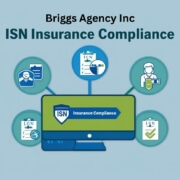
Take the Headache Out of COIs: Helping Contractors & Vendors Navigate Insurance and Compliance

If you’re a contractor or vendor working with large corporations or municipalities, you’ve likely run into third-party certificate of insurance (COI) verification systems like ISNetworld (ISN) or Avetta. And chances are, you hate them.

We get it. These platforms are designed to streamline compliance for the companies hiring you—but they often do the exact opposite for your business. They demand constant updates, complicated documentation, and precise compliance language. If anything is off, your project gets delayed, or worse, your bid gets denied.

At Briggs Agency Inc., we make all of that go away.

We Handle the Paperwork—So You Can Handle the Job Site

Our experienced team specializes in helping contractors and vendors stay compliant with demanding COI requirements. Whether you’re a general contractor, HVAC tech, electrician, roofer, or work in another trade, we take full responsibility for managing your insurance documentation—accurately and on time.

What does that mean for you?

  • We work directly with ISN, Avetta, and other platforms on your behalf
  • We upload and maintain your certificates, endorsements, and insurance forms
  • We proactively monitor renewal dates and make sure your documentation stays current
  • We ensure your policies meet strict compliance language (including waiver of subrogation, additional insured wording, and more)

You don’t have to worry about confusing requests from project managers, or going back and forth with underwriters to get the right wording. We handle it all.

Confidence in Your Coverage

Beyond COIs, we help contractors secure the right insurance coverage to protect their business and meet contract requirements. That includes:

  • General Liability
  • Workers’ Compensation
  • Commercial Auto
  • Umbrella/Excess Liability
  • Tools and Equipment Coverage
  • Pollution Liability
  • Professional Liability (Errors & Omission)
  • Builders Risk
  • Surety Bonds

We tailor each policy to your trade, job size, and the types of contracts you’re pursuing. And because we work with multiple top-rated carriers, we can get you the right coverage at a competitive rate.

Why Briggs Agency?

Contractors and vendors across Northwest Indiana and beyond trust Briggs Agency Inc. because we don’t just sell insurance—we become your insurance department. We take the stress off your plate so you can focus on what you do best: building, fixing, and getting the job done.

Let us handle the bureaucracy. You focus on the work.

Ready to Stop Worrying About COIs?

If you’re tired of the stress that comes with ISN, Avetta, or simply keeping up with complex insurance requirements, give us a call. Let’s talk about how Briggs Agency Inc. can make your business more efficient, more compliant, and more confident.

Call us at 219-769-4840
Email: Andrew@briggsagency.com

Visit: www.briggsagency.com

Thank You, Briggs Agency

As my internship comes to an end, I want to sincerely thank everyone at Briggs Agency for the incredible opportunity to be part of such a welcoming and supportive team. What began as an exciting new chapter quickly became an invaluable learning experience throughout the year.

From my very first day, I felt like more than just an intern, but rather like part of the family. Whether I was helping with office tasks, sitting in on meetings, or attending client conferences, I was constantly learning and gaining insight into the insurance industry. More importantly, I was growing both personally and professionally, thanks to the guidance and encouragement from the entire team.

The culture of collaboration and kindness here truly stood out. I’m especially grateful for how willing everyone was to support my goals while continuing to provide the same high level of care to their clients.

Thank you again for this memorable experience. I’m proud to have been part of the Briggs Agency team.


Thank you,


Ryland Hochstetler


Reflections on an Unforgettable Internship

As my internship at Briggs Agency comes to a close, I find myself filled with gratitude, reflection, and a sense of accomplishment. What began as an exciting opportunity quickly turned into one of the most enriching and meaningful experiences of my academic and personal journey so far.

Right from the start, I felt genuinely welcomed and supported by everyone at Briggs Agency. Rather than being treated as “just an intern,” I was seen as a contributing member of the team. These hands-on experiences gave me a clear window into how a dynamic agency functions day to day. More than anything, I appreciated that I wasn’t simply observing I was actively learning, participating, and growing in ways I wasn’t expecting.

One of the things I appreciated most was the culture of collaboration and mentorship. Whether it was a quick check-in, constructive feedback on my work, or simply being asked for my opinion, these moments helped me gain confidence and realize the importance of communication and teamwork. I was encouraged to ask questions, share ideas, and step outside of my comfort zone and that has made all the difference.

A special thank you goes out to my supervisor (Allee) and the team members who took time out of their busy schedules to guide me, challenge me, and help me succeed. Your support and trust meant so much, and I’ve learned lessons from each of you that I will be able to take and use for the rest of my life.

Thank you, Briggs Agency, for such a memorable experience. I’m proud to have been part of your team and I’m excited to take everything I’ve learned into the future.

With appreciation,

Ryan Goldie

You can experience the benefits of being a part of a full-service Independent Insurance Agency today! Simply contact Briggs Agency, Inc. if you are interested in an insurance review at 219-769-4840 or visit our website at www.BriggsAgency.com. We look forward to hearing from you!

Spring Insurance: Essential Tips for Seasonal Risks Protection

Spring insurance is essential for protecting your home, car, and lifestyle from the unique seasonal risks that warmer weather brings. Whether it’s increased rainfall, road travel, or outdoor upgrades, the season can put extra strain on your home and vehicle. This makes spring insurance planning an important part of your seasonal checklist.

From coverage updates to maintenance that keeps your policy valid, here’s how to make sure you’re protected this spring.


1. Review Your Home Insurance Before Spring Storms Hit

Spring weather is unpredictable. High winds, hail, and sudden downpours can cause property damage, especially to roofs, siding, and windows. Make sure your home insurance includes adequate coverage for wind, storm damage, or other seasonal risks. If you’ve made any recent upgrades—like new roofing or landscaping—update your policy to reflect those improvements.

Also, consider adding water backup coverage or looking into flood insurance if you live in a high-risk area.


2. Spring-Clean Your Auto Insurance Policy

Warmer weather means more driving—whether for road trips, weekend adventures, or daily errands. If your car was stored for the winter, confirm that your auto insurance is active and covers the current value of the vehicle.

Also, spring often brings more cyclists, motorcycles, and pedestrians onto the road. Make sure your liability limits are high enough to protect you from serious financial risk in case of an accident.


3. Spring Insurance for Outdoor Additions

Spring is when we break out lawnmowers, bikes, grills, and patio furniture—all of which may not be covered under your standard home insurance policy. Review your personal property coverage to ensure these items are included, especially if they’re stored in a shed or detached garage.

If you’ve added a new deck, hot tub, or outdoor kitchen, these additions can increase your home’s value. Your policy should reflect those changes.

spring insurance home protection


4. Prevent Costly Claims with Spring Maintenance

Insurance is there to help when accidents happen—but many claims are denied due to lack of maintenance. Seasonal tasks like:

  • Cleaning gutters

  • Inspecting your roof

  • Checking for foundation cracks

  • Servicing your HVAC

can prevent damage before it starts and keep your spring insurance claims valid.


5. Schedule a Policy Review for Peace of Mind

Spring is all about new beginnings. It’s a great time to schedule a comprehensive review of your insurance coveragehome, auto, liability, and beyond. A trusted insurance advisor can help identify gaps in your protection and recommend adjustments based on your current needs.


Final Thoughts: Make Spring Insurance Part of Your Routine

Spring isn’t just a time for cleaning—it’s a time to reset and refresh every aspect of your life, including your insurance. Whether you’re planting a garden, planning a getaway, or prepping your home for storms, make sure your coverage is as ready as you are.

You can experience the benefits of being a part of a full-service Independent Insurance Agency today! Simply contact Briggs Agency, Inc. if you are interested in an insurance review at 219-769-4840 or visit our website at www.BriggsAgency.com. We look forward to hearing from you!

Blog post written by: Ryland Hochstetler

Exploring Bundling: Pros and Cons of Combining Insurance Policies

If you’ve ever shopped for insurance—whether it’s for your car, home, or life—you’ve likely heard the pitch: “Bundle and save!” It’s a popular offer from insurers, and on the surface, it seems like a no-brainer. Why wouldn’t you want to simplify your policies and get a discount?

But like most financial decisions, bundling insurance plans comes with both advantages and drawbacks. Let’s explore the pros and cons to help you decide whether bundling is the smart move for your situation.

The Pros of Bundling Insurance Plans

1. Cost Savings

The most well-known benefit of bundling is the discount. Many insurers offer a multi-policy discount, which can range from 5% to 25% depending on the provider and the types of policies you combine. This could translate into significant annual savings.

2. Convenience

Bundling simplifies your life. Instead of dealing with multiple companies, billing cycles, and customer service departments, you’ll have one point of contact. Managing your insurance becomes less of a chore.

3. Improved Coverage Options

Some insurers offer enhanced coverage or additional perks to customers who bundle. This might include higher liability limits, accident forgiveness, or free add-ons like roadside assistance.

4. Stronger Relationship with Your Insurer

Being a multi-policy customer may make you more valuable to the insurer. This could lead to better customer service and more flexibility when negotiating rates or filing claims.

The Cons of Bundling Insurance Plans

1. It’s Not Always Cheaper

Despite the promise of savings, bundling doesn’t guarantee the lowest total cost. You may find better deals by shopping policies separately from specialized insurers. For example, a company that excels at auto insurance may not offer the best value for homeowners coverage.

2. Less Incentive to Shop Around

Bundling can make you complacent. If you’re comfortable and locked into one provider, you might skip the routine comparison shopping that keeps premiums competitive.

3. Cancellation Hassles

If you ever want to cancel one policy, it could affect the pricing of your other bundled plans. Unbundling may lead to rate increases or the loss of loyalty discounts.

4. Not All Insurance Types Are Bundle-Friendly

Some niche or specialized insurance products (like pet insurance, motorcycle insurance, or certain business policies) may not be eligible for bundling. This could limit your ability to consolidate.


Should You Bundle?

Bundling can be a smart financial move, but it’s not a one-size-fits-all solution. Here’s how to decide:

  • Compare bundled vs. unbundled quotes before committing.

  • Check the quality of coverage and service, not just the price.

  • Review your policies annually to make sure they still meet your needs.

  • If you’re bundling, make sure each policy is solid on its own merit—not just attractive as part of a package deal.


Final Thoughts

Bundling insurance can save you time, money, and stress—but only if done thoughtfully. Don’t assume the bundled option is best just because it’s the easiest. Take the time to crunch the numbers and compare offerings from multiple providers.

After all, peace of mind is what insurance is all about.

You can experience the benefits of being a part of a full-service Independent Insurance Agency today! Simply contact Briggs Agency, Inc. if you are interested in an insurance review at 219-769-4840 or visit our website at www.BriggsAgency.com. We look forward to hearing from you!

Blog post written by: Ryland Hochstetler

The History of Insurance: From Ancient Risk to Modern Protection

Insurance is so woven into modern life—car, health, home, travel, even pet insurance—that we rarely pause to consider where it all began. Yet, the idea of risk-sharing and protection against loss is as old as civilization itself. The history of insurance is a fascinating journey that spans millennia, empires, plagues, revolutions, and technological change. Here’s how it all unfolded.

Ancient Beginnings: Mutual Aid in Mesopotamia

The earliest recorded form of insurance can be traced back to around 1750 BCE in ancient Babylon. The Code of Hammurabi, one of the world’s first legal codes, included clauses to protect merchants. If a trader took a loan to fund a shipment, they could pay an extra fee to have the loan canceled in case the shipment was lost or stolen—a primitive form of marine insurance.

Similarly, Chinese and Indian traders thousands of years ago spread their goods across multiple ships or caravans to reduce the risk of total loss—a concept still foundational to insurance today.

Understanding How Greek and Roman Mythology Are Different - Mythology ...

Marine Insurance in the Mediterranean

The ancient Greeks and Romans formalized risk-sharing further. They developed early forms of marine insurance for ships and cargo crossing the Mediterranean. One notable invention was the bottomry contract, where shipowners could borrow money using their vessel as collateral; if the ship sank, the loan was forgiven.

Guilds and Mutual Protection in the Middle Ages

As Europe moved into the Middle Ages, trade guilds became a hub for mutual support. Craftsmen pooled money to support members in times of hardship, disability, or death. These mutual aid societies resembled early life insurance, combining community with economic necessity.

Meanwhile, in 14th-century Italy, merchants in cities like Genoa and Florence began formalizing marine insurance contracts. These practices spread quickly, laying the groundwork for commercial insurance.

The Birth of Modern Insurance: The Great Fire of London

The catalyst for modern property insurance came in 1666, when the Great Fire of London destroyed more than 13,000 houses. In response, economist Nicholas Barbon established the first fire insurance company. His “Fire Office” employed men to extinguish fires in insured properties—a very literal form of risk management.The Great Fire of London | COVE

The 18th Century: Life Insurance and Actuarial Science

By the 18th century, insurance began to embrace data and mathematics. The first life insurance company, the Amicable Society for a Perpetual Assurance Office, was founded in London in 1706. Later, mathematician Edmond Halley (of Halley’s Comet fame) developed one of the first mortality tables, allowing insurers to price policies based on age and risk.

This period also saw the rise of Lloyd’s of London, which began as a coffeehouse where shipowners and underwriters met. Over time, it became a global marketplace for insurance and reinsurance, specializing in complex and high-risk policies.

Insurance in the Industrial Age

The Industrial Revolution brought new risks—factory fires, accidents, mass urbanization—and with them, new types of insurance. By the 19th century, accident insurance, employer liability coverage, and health insurance were emerging across Europe and North America.

Governments also stepped in. Germany under Otto von Bismarck introduced the first social insurance programs in the 1880s, including health and disability coverage for workers. Other countries followed suit.

The 20th Century: Explosion of Insurance Types

In the 20th century, insurance became democratized and commercialized. Cars brought auto insurance. Modern medicine created the need for health insurance. Home ownership, travel, pets, electronics, and even identity theft all became insurable.

New technologies like computers and the internet allowed insurers to refine data analysis and reach customers more directly. The rise of digital platforms in the 21st century brought about “insurtech”—a fusion of insurance and technology aiming to improve efficiency and customer experience.

Insurance Industry : What lies ahead?

Where We Are Today

Today, insurance is a $5 trillion global industry that touches nearly every aspect of life and business. From peer-to-peer insurance models to AI-powered underwriting and climate risk modeling, the industry continues to evolve.

And while the methods have changed, the core purpose remains the same as it was in Babylon: to protect people from uncertainty by sharing risk.

Final Thought:
The history of insurance is ultimately the story of human resilience. From ancient trade routes to digital marketplaces, insurance has always been about community, protection, and the desire to plan for the unpredictable.

You can experience the benefits of being a part of a full-service Independent Insurance Agency today! Simply contact Briggs Agency, Inc. if you are interested in an insurance review at 219-769-4840 or visit our website at www.BriggsAgency.com. We look forward to hearing from you!

Written by Ryan Goldie

The Future of Insurance: How Technology Is Transforming the Industry

The Future of Insurance: How Technology Is Transforming the Industry

The insurance industry is undergoing a digital revolution. Traditionally known for paper-heavy processes and long response times, modern insurers are embracing technology to streamline operations, improve customer experience, and manage risk more effectively. Here are some of the most impactful technological innovations currently reshaping the insurance landscape.

1. Artificial Intelligence (AI)

AI is revolutionizing the way insurers assess risk, process claims, and interact with customers. From AI-powered chatbots that handle customer service inquiries 24/7 to machine learning algorithms that detect fraud patterns, artificial intelligence enhances efficiency and accuracy across the board.

2. Big Data & Predictive Analytics

Insurers are now leveraging vast amounts of data to make more informed decisions. Predictive analytics allows companies to assess risk with greater precision, leading to more accurate underwriting and personalized pricing. It also helps in anticipating customer behavior and improving retention strategies.

3. Internet of Things (IoT)

The IoT is changing insurance from reactive to proactive. Devices like smart home sensors and connected car telematics provide real-time data, allowing insurers to prevent losses before they happen. For example, a sensor detecting water leaks can alert homeowners and insurers before serious damage occurs.

4. Blockchain Technology

Blockchain brings transparency and security to insurance processes. Smart contracts can automate claims settlements, reducing fraud and improving customer trust. Additionally, shared ledgers enable seamless data sharing between stakeholders, enhancing collaboration across the industry.

5. Robotic Process Automation (RPA)

RPA is being used to automate repetitive, rule-based tasks such as data entry, compliance checks, and policy renewals. This reduces operational costs and human error, while freeing up staff to focus on more complex, value-added tasks.

6. On-Demand Insurance

With the rise of gig economy and lifestyle flexibility, on-demand insurance is becoming popular. Insurtech startups offer customizable coverage that can be activated or deactivated in real time — ideal for travelers, freelancers, and occasional drivers.

7. Digital Claims Processing

Gone are the days of filing claims via snail mail. Mobile apps now allow customers to submit claims instantly, upload photos, and track progress. Some platforms even use AI to assess damage and authorize payments within minutes.

You can experience the benefits of being a part of a full-service Independent Insurance Agency today! Simply contact Briggs Agency, Inc. if you are interested in an insurance review at 219-769-4840 or visit our website at www.BriggsAgency.com. We look forward to hearing from you!

Blog post written by: Ryland Hochstetler

Navigating Insurance Claims

Filing an insurance claim is one of those things you hope you never have to do—but when the unexpected happens, knowing what to expect can make all the difference. Whether it’s a fender bender, a burst pipe, or storm damage to your home, the claims process doesn’t have to be overwhelming. Here’s a breakdown of how to navigate insurance claims with more confidence and less stress.


Step 1: Stay Calm and Assess the Situation

The first priority in any incident is safety. Once that’s handled, take a moment to assess what happened. Document everything—photos, videos, notes, and witness statements if applicable. These details can be crucial in proving your case and speeding up the claim process.Stay Calm Wallpapers - Top Free Stay Calm Backgrounds - WallpaperAccess

Step 2: Review Your Policy

Before calling your insurer, take a moment to review your insurance policy. Understand what’s covered, what’s excluded, and what your deductible is. Knowing these details upfront helps set realistic expectations and prevents surprises later.

Step 3: Notify Your Insurance Company Promptly

Time is of the essence. Most insurance companies require prompt notification of a claim. Contact your insurer via their claims hotline, website, or mobile app. Be ready to provide essential information like:

  • Your policy number

  • Date and time of the incident

  • Description of what happened

  • Any supporting documentation (photos, police reports, etc.)

5th Circuit Warning to Insured – Notify your Insurance Company - TX ...

Step 4: Work With the Adjuster

After filing your claim, your insurance company will assign an adjuster to assess the damage and determine the payout. Be cooperative, but don’t be afraid to ask questions. It’s okay to get a second opinion if you feel the initial assessment doesn’t reflect the actual damage or value.


Step 5: Keep Records of Everything

Document every interaction you have regarding your claim—emails, phone calls, letters. Save receipts for repairs, temporary housing, or any other out-of-pocket expenses related to the claim. These can often be reimbursed or used to support your case.

Step 6: Know Your Rights and Appeal If Necessary

If your claim is denied or the settlement offer is lower than expected, you’re not out of options. Ask your insurer for a clear explanation, and if necessary, file an appeal. You can also seek assistance from your state’s insurance department or a public adjuster.

Final Thoughts

Insurance claims can be daunting, especially during already stressful times. But being prepared, informed, and proactive can go a long way in ensuring a smooth process. Remember, your insurance policy is there to protect you—don’t be afraid to advocate for yourself to get the coverage you deserve.


Need help understanding your coverage or preparing for a future claim? Reach out to a trusted insurance advisor—they can be an invaluable resource before, during, and after the claims process.

You can experience the benefits of being a part of a full-service Independent Insurance Agency today! Simply contact Briggs Agency, Inc. if you are interested in an insurance review at 219-769-4840 or visit our website at www.BriggsAgency.com. We look forward to hearing from you!

The Benefits of Regular Insurance Policy Audits

When was the last time you reviewed your insurance policies? If your answer is anything other than “recently,” it might be time for an annual insurance audit. Life, business, and the world around us are constantly changing—and your insurance coverage should evolve with it.

An annual insurance audit isn’t just a smart practice; it’s essential to protecting your financial health, reducing unnecessary costs, and staying prepared for the unexpected. Here’s why this yearly check-in should be on your calendar.


1. Life Changes—Your Policy Should Too

Whether you’re running a business or managing personal coverage, things change. Maybe you’ve:

  • Bought a new car or home

  • Had a child

  • Taken on new business equipment

  • Hired more employees

  • Changed your income level

All these events (and more) can impact the type and amount of insurance coverage you need. An annual audit ensures your policies reflect your current situation—not where you were a year ago.


2. Avoid Gaps in Coverage

An outdated policy can leave you underinsured in critical areas. For example, if you’ve renovated your home or expanded your business operations, your old coverage limits might not offer adequate protection in a loss.

By reviewing your policies annually, you can identify and fill any gaps before they become costly.


3. Eliminate Redundancies and Save Money

On the flip side, you might be paying for coverage you no longer need. Maybe you sold that extra vehicle or no longer use certain equipment. Maybe you now qualify for better rates due to improved credit, a clean driving record, or fewer claims.

An audit can uncover opportunities to reduce premiums without sacrificing protection.


4. Stay Compliant with Legal and Industry Requirements

If you’re a business owner, annual audits help ensure you remain compliant with industry regulations and legal requirements. Workers’ comp, general liability, and professional liability policies may have changing thresholds depending on your business activities.

Staying proactive avoids costly fines—or worse, denied claims when something goes wrong.


5. Build a Stronger Relationship with Your Agent

Conducting a yearly audit opens the door for better communication with your insurance provider. It’s a chance to ask questions, understand your policies more clearly, and gain insight into what new products or endorsements might benefit you.

A good agent will appreciate your involvement and help you make confident, informed decisions.


How to Prepare for an Insurance Audit

Here are a few quick tips to get the most out of your annual review:

  • Gather all current insurance policies

  • Review recent life or business changes

  • Make a list of new assets, liabilities, or risks

  • Come prepared with questions or concerns


Final Thoughts

Think of an insurance audit as your annual financial health check-up. It’s a small investment of time that can lead to major savings, peace of mind, and better protection. Whether you’re a homeowner, a business owner, or somewhere in between, this yearly habit is one of the smartest ways to safeguard your future.

So go ahead—mark your calendar. Your future self will thank you.

You can experience the benefits of being a part of a full-service Independent Insurance Agency today! Simply contact Briggs Agency, Inc. if you are interested in an insurance review at 219-769-4840 or visit our website at www.BriggsAgency.com. We look forward to hearing from you!

Blog post written by: Ryland Hochstetler