

Apartment Owner Insurance: Protecting Your Multiunit Investments
Owning a multiunit apartment building comes with significant financial exposure. Standard homeowners policies won’t cover the unique risks you face as a landlord.
Apartment owner insurance fills that gap by protecting your building, your tenants, and your rental income. At Briggs Agency, Inc., we help property owners understand what coverage they actually need and how to avoid costly gaps in protection.
What Apartment Owner Insurance Actually Covers
The Core Protection Your Multiunit Property Needs
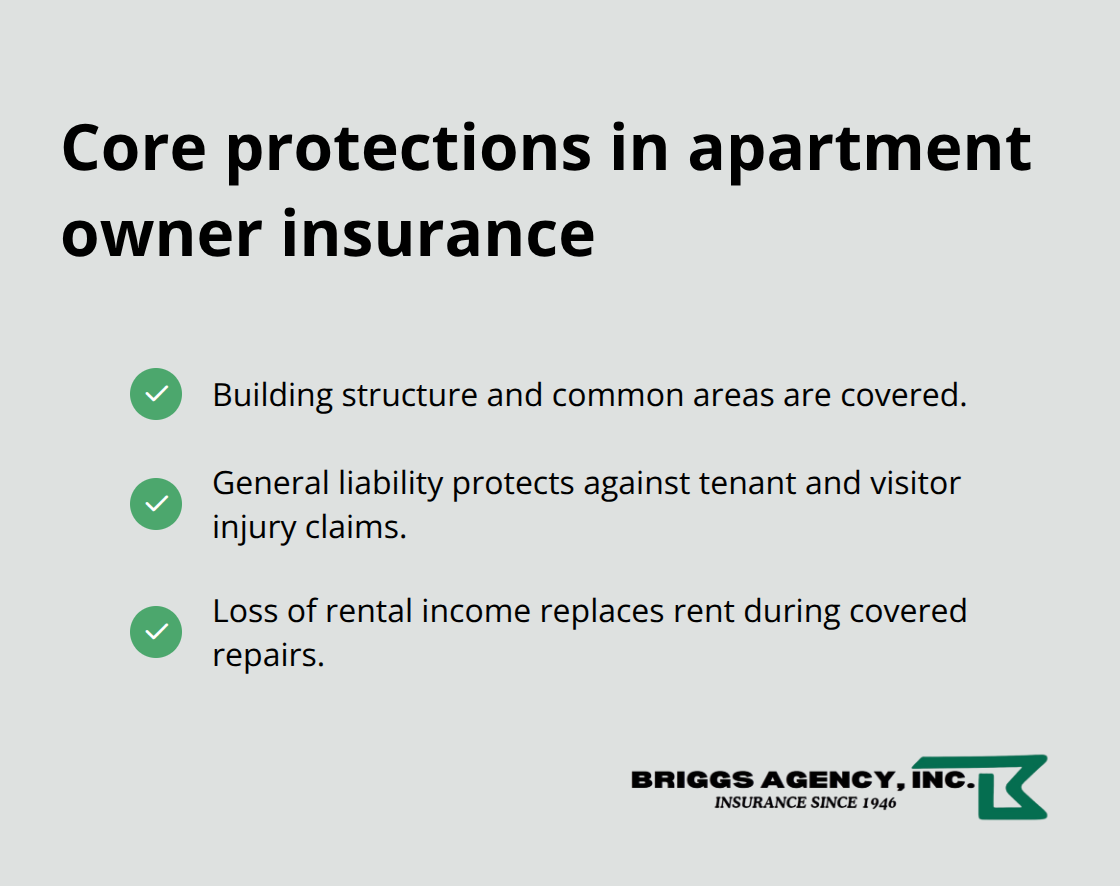
Apartment owner insurance is a specialized commercial property policy built specifically for multiunit residential buildings. Unlike homeowners insurance, which assumes you live in the property, apartment owner insurance recognizes that you operate a rental business with tenants, common areas, and income streams that require protection. The policy typically covers building structure and common areas, liability protection, and loss of rental income, among other elements.
Building and System Coverage
Standard policies from carriers like State Farm and Liberty Mutual include fire, wind, hail, theft, and vandalism coverage on the building itself. Water damage coverage extends to burst pipes and HVAC leaks but excludes flood damage, which requires a separate rider. Most policies also cover building systems like boilers and HVAC equipment, plus landlord-owned appliances and furniture used in the rental business.
Liability and Income Protection
Liability coverage in apartment policies typically ranges from $300,000 to $2,000,000 and covers medical expenses and legal costs when a tenant or visitor suffers injury due to property conditions or negligence. Loss of rental income protection reimburses you for income lost while units undergo repairs after a covered loss, which is critical for maintaining cash flow and meeting mortgage obligations.
What Drives Your Premium Costs
The cost of apartment owner insurance varies significantly by location and property characteristics. Annual premiums typically range from $1,000 to $3,000 per million dollars of coverage, meaning a 10-unit building might cost $3,000 to $6,000 annually while a 20-unit property could run $6,000 to $12,000 per year. Location matters enormously: Florida and California properties cost substantially more due to hurricane and flood exposure, while properties in low-disaster areas pay less.
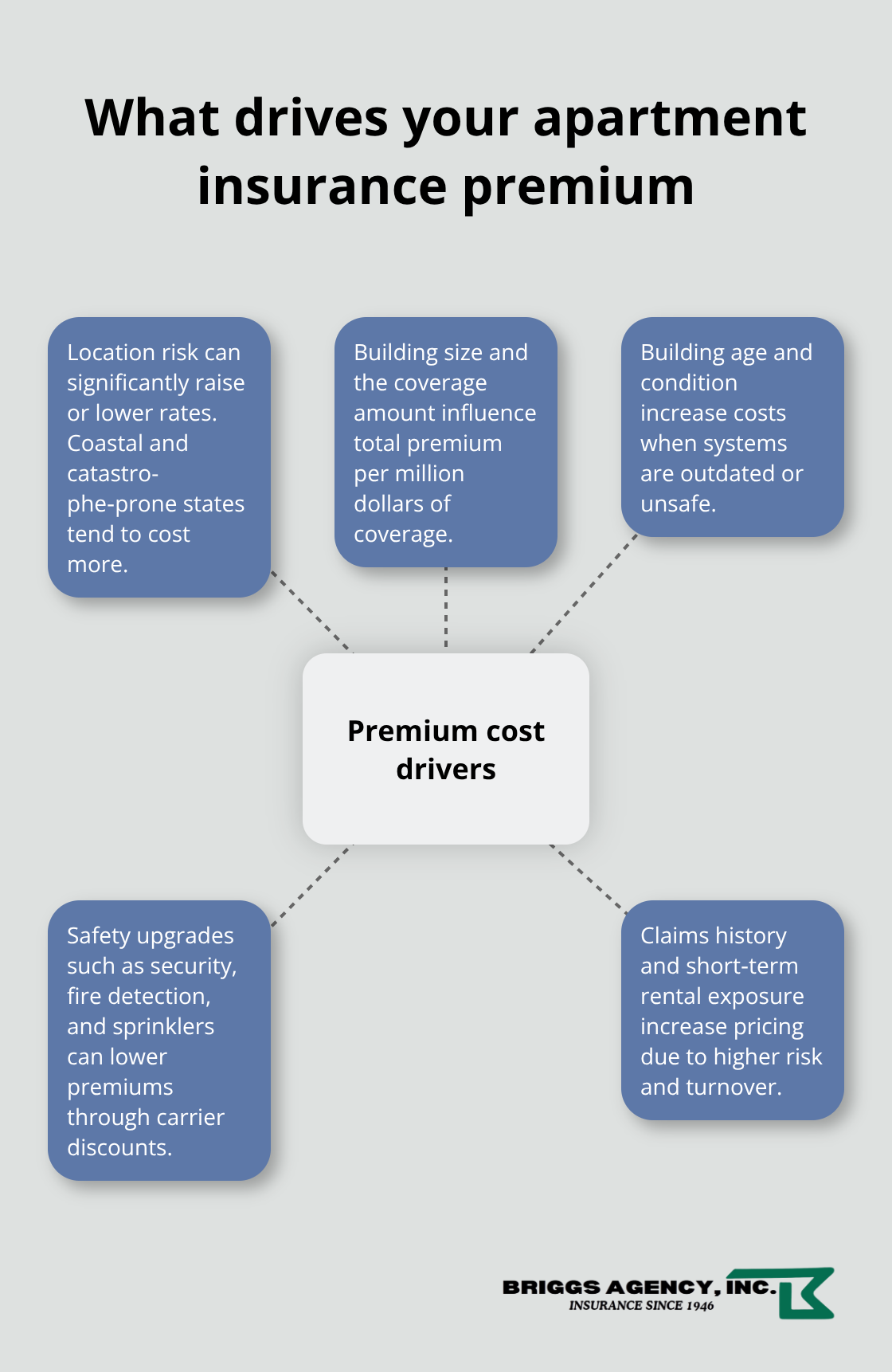
Building age is another major driver-older structures with outdated wiring or plumbing face higher premiums or coverage restrictions. Installing security systems, fire detection devices, and sprinkler systems can lower your costs by a meaningful margin. Your claims history also affects pricing; properties with frequent damage or liability claims will pay more. Short-term rentals like Airbnb properties cost significantly more to insure than long-term rentals because the higher turnover and guest volume increase liability exposure.
Getting the Right Quote for Your Property
Multiple carriers assess risk differently, so quotes from different insurers can vary considerably for the same property. Comparing quotes from several carriers reveals how underwriting standards and risk assessments differ between companies. The specific details of your building-its age, location, safety features, and rental model-all influence which carrier offers the best rate and coverage fit for your situation.
What Actually Gets Covered in Your Multiunit Policy
Building Structure and Systems
Your apartment owner policy protects three distinct areas of your investment, and understanding where each type of coverage applies prevents nasty surprises when you file a claim. The building structure itself-walls, roof, floors, and permanent fixtures-receives coverage under standard policies, along with systems like boilers, HVAC units, and electrical wiring. Common areas including hallways, lobbies, laundry facilities, and exterior structures also fall under this protection.
Water damage coverage specifically addresses burst pipes, frozen lines, and HVAC leaks, though it excludes flood damage entirely. If your property sits in a flood zone, you need a separate flood rider. Landlord-owned appliances, furniture, and equipment used for the rental business all receive coverage, but tenant personal belongings do not-that’s why pushing tenants toward renters insurance protects both parties.
Age and Location Restrictions
In high-risk areas like Florida or California, carriers often impose stricter requirements on older buildings. A property built before 1980 with original plumbing might face coverage limitations or higher deductibles unless you upgrade systems first. These restrictions exist because older infrastructure carries higher risk of failure and costly claims.
Liability Coverage for Injuries and Accidents
Liability coverage in your policy typically ranges from $300,000 to $2,000,000 and covers medical bills, legal defense costs, and settlements when a tenant or visitor gets injured on your property due to negligence or unsafe conditions. This is where most landlords face real exposure-a slip-and-fall lawsuit or injury from faulty stairs can easily exceed $100,000 in legal and medical costs alone.
Loss of Rental Income Protection
Loss of rental income protection reimburses you for rent you’d normally collect while units sit empty during repairs after a covered loss. If a fire damages three units in your ten-unit building, this coverage replaces that lost income while reconstruction happens. This matters more than most owners realize because your mortgage, property taxes, and insurance don’t pause while repairs happen-loss of income coverage prevents you from depleting reserves or taking on debt to cover obligations. Properties in disaster-prone regions benefit most from this coverage. Understanding these three coverage pillars helps you assess whether your current policy truly protects your investment or leaves gaps that could cost you thousands when disaster strikes.
Choosing the Right Coverage for Your Specific Building
Understand What Makes Your Property Unique
Finding apartment owner insurance that actually fits your property requires moving beyond generic quotes and understanding what makes your building unique. A 10-unit complex in Indianapolis faces entirely different risks than a 10-unit building in Miami, yet many property owners treat insurance shopping as a commodity purchase rather than a critical business decision. Your building’s age, location, safety features, tenant profile, and rental model all affect which carrier offers the best combination of price and protection.
Document Your Property’s Specifics
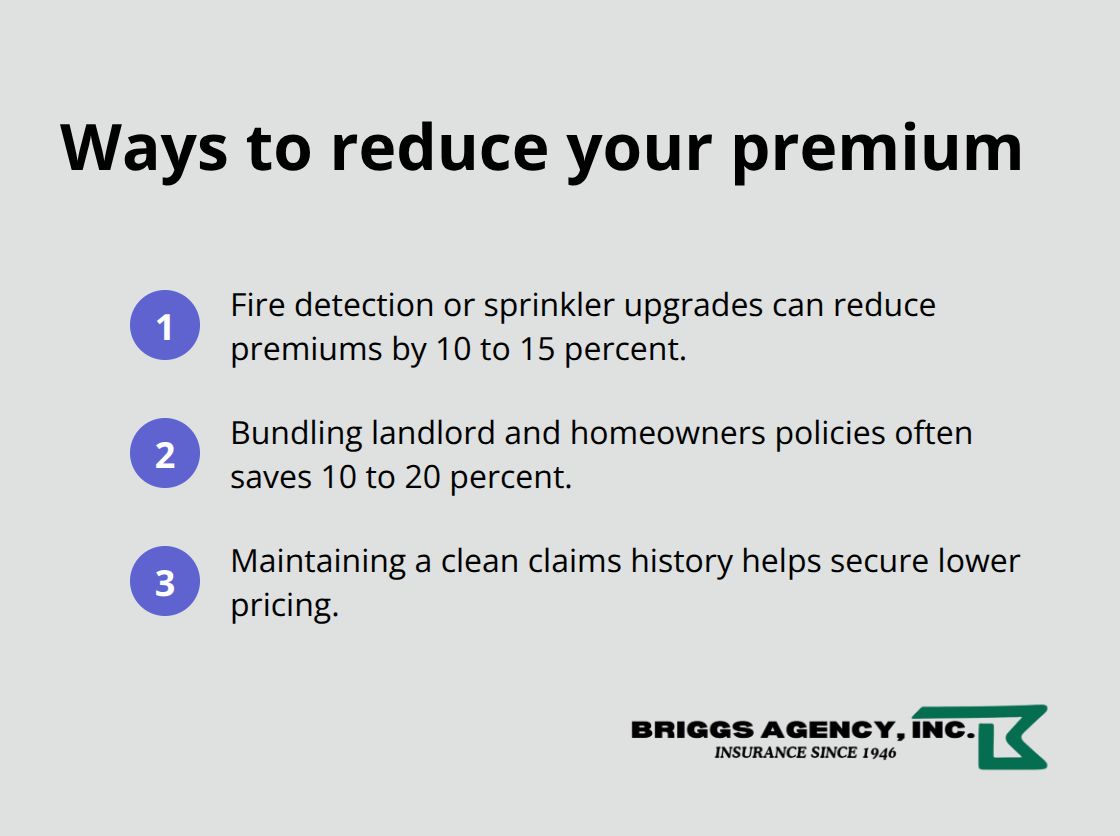
Start by documenting your property’s specifics: construction year, number of units, square footage, roof condition, presence of security systems, and whether you operate long-term or short-term rentals. Properties built before 1980 with original plumbing and wiring typically face higher premiums or coverage restrictions, so knowing your building’s systems matters. If you’ve made recent upgrades like installing fire detection devices or sprinkler systems, these reduce your premium meaningfully-sometimes by 10 to 15 percent depending on the carrier. Your claims history over the past three to five years also influences pricing significantly; properties with multiple claims pay substantially more than those with clean records.
Request Quotes from Multiple Carriers
Getting actual quotes requires contacting multiple carriers because underwriting standards vary dramatically. State Farm, Liberty Mutual, Farmers Insurance, Steadily, and Travelers all assess the same property differently based on their risk models and appetite. Request quotes from at least three carriers using identical property information so comparisons stay apples-to-apples. Ask each carrier specifically about their requirements for older buildings, their flood and earthquake rider costs, and what discounts apply to your situation-bundling landlord and homeowners policies often saves 10 to 20 percent.
Compare Coverage Details, Not Just Price
When you review quotes, examine the liability limits, deductible amounts, and what’s actually included versus excluded. A policy quoting $2,200 annually with $500,000 liability and a $1,000 deductible differs significantly from one at $2,100 with $300,000 liability and a $2,500 deductible. Work with an agent who understands your local market and can explain why one carrier’s quote differs from another’s, rather than simply choosing the lowest price. Your agent should also stress-test your coverage against realistic scenarios-if a fire damages half your units, would your loss of income coverage hold up, or would you face gaps? This conversation prevents costly surprises when you actually need your insurance to work.
Final Thoughts
Apartment owner insurance protects your multiunit investment from financial disaster in ways that standard homeowners policies simply cannot. A single liability claim can exceed six figures, a fire can eliminate months of rental income, and building damage can force you to tap reserves or take on debt while repairs happen. Your coverage must reflect the unique risks that come with operating a rental business across multiple units, not some generic template that ignores your specific property.
The right policy covers your building structure, protects you against liability claims from tenant injuries, and replaces lost income when a covered event makes units uninhabitable. Getting there requires moving beyond generic quotes and actually understanding what your specific property needs-a 10-unit building in Indiana faces different risks than one in Florida. Document your property’s details (age, location, safety features, and rental model), request quotes from multiple carriers using identical information, and examine liability limits, deductibles, and what’s actually covered versus excluded when you review those quotes.
At Briggs Agency, Inc., our experienced agents represent multiple top-rated carriers and can compare options to find apartment owner insurance that actually fits your building and your budget. We’ve served property owners and businesses in our community since 1946, and we know what it takes to protect multiunit investments properly. Contact us to discuss your coverage needs with someone who understands your local market.
The information provided in this blog is for general informational purposes only and does not constitute legal, financial, or insurance advice. Coverage options, terms, and availability may vary. Please consult with a licensed professional for advice specific to your situation.
Artificial intelligence may have been used to generate text and images in some blog articles.

