
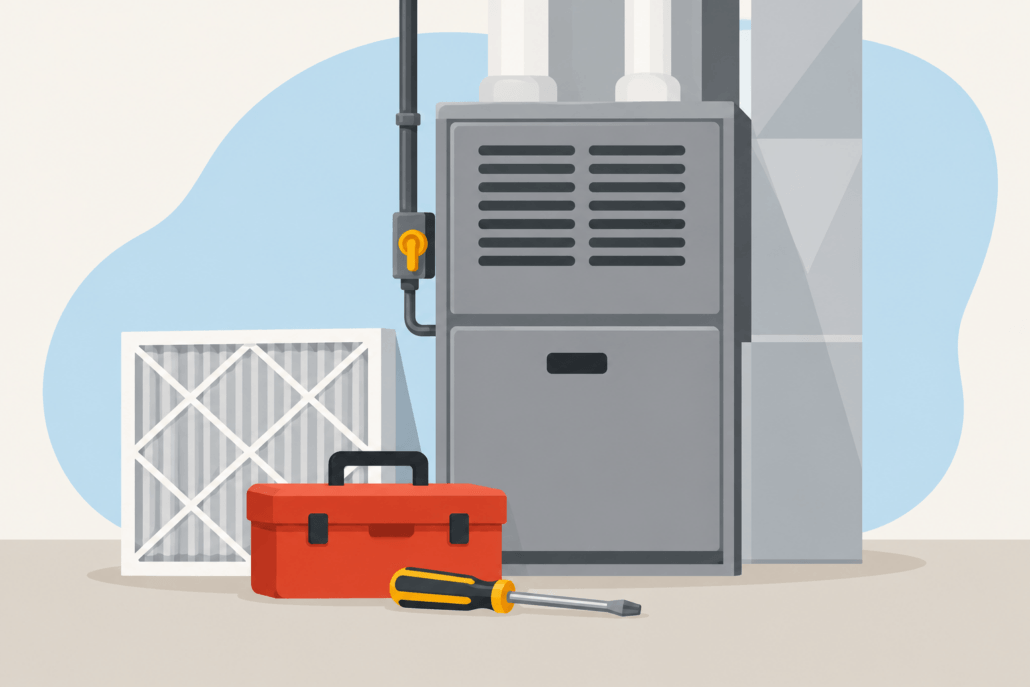
Furnace Maintenance Tips
As the weather gets colder, the last thing you want is for your furnace to stop working when you need it most. Your furnace works hard to keep your home warm throughout the winter, but like any other part of your home, it needs regular care. Without proper maintenance, you could end up dealing with expensive repairs, higher energy bills, or even a complete breakdown.
Luckily, keeping your furnace in good shape doesn’t have to be complicated. A few simple maintenance tasks can help your heating system run more efficiently and last longer. Whether you’re getting ready for winter or just want to avoid unexpected problems, here are some furnace maintenance tips to keep in mind.
1. Replace Your Air Filters Regularly
One of the simplest ways to take care of your furnace is to regularly check and replace its air filter. As time goes on, dust, dirt, and other particles collect in the filter. When it gets too dirty, air has a harder time passing through, causing your furnace to work harder to heat your home. This can lead to higher energy bills and extra wear on your system.
Try to check your air filter at least once a month and replace it when needed. Most filters need to be changed every one to three months, depending on the type of filter and how much dust is in your home. Keeping a clean filter is an easy way to help your furnace run smoothly and avoid unnecessary problems.
2. Schedule Annual Furnace Inspections
Just because your furnace seems to be working fine doesn’t mean everything is running as it should. Having a professional inspect your furnace once a year can help catch small issues before they turn into bigger, more expensive problems.
During an inspection, an HVAC technician can check important parts of your furnace, including the burners, electrical connections, and heat exchanger. They’ll also look for signs of damage or wear and make sure everything is working safely. It’s best to schedule these inspections before winter so you aren’t left dealing with a problem in the middle of a cold day.
3. Keep Vents and Airflow Clear
You might not think much about the vents around your home, but they play an important role in keeping your house warm. When furniture, rugs, or other items block your vents, warm air can’t circulate as easily. This can leave some rooms colder than others and make your furnace work harder than it needs to.
Take a few minutes to walk around your home and check that nothing is blocking your vents. It’s also important to keep the area around your furnace clean and clear. Avoid storing boxes, cleaning products, or anything flammable near the unit. Giving your furnace enough space and keeping vents open can help your heating system do its job more effectively.
4. Check Your Thermostat
Your thermostat tells your furnace when to turn on and off, so it’s important to make sure it’s working correctly. If something is wrong with your thermostat, your furnace might run more often than necessary or struggle to keep your home at a comfortable temperature.
Before the colder weather arrives, test your thermostat by adjusting the temperature and making sure your furnace responds. If your thermostat runs on batteries, check whether they need to be replaced. You might also want to consider upgrading to a programmable or smart thermostat. These allow you to adjust temperatures based on your schedule, which can help you save energy when you’re away from home.
5. Pay Attention to Warning Signs
Sometimes, your furnace will give you a warning before something goes wrong. Strange noises, uneven heating, or a sudden increase in your energy bills could mean that your furnace needs attention.
If you start hearing banging, rattling, or squealing noises, don’t ignore them. The same goes for unusual smells or a furnace that keeps turning on and off. While some problems may be minor, others could lead to more serious damage if left alone. If something doesn’t seem right, it’s always a good idea to have a professional take a look.
If you ever smell gas, leave your home immediately and contact your gas company or emergency services from a safe location. You should also never ignore a carbon monoxide alarm.
6. Test Your Carbon Monoxide Detectors
If your furnace runs on natural gas, propane, or oil, carbon monoxide is something you should be aware of. This gas has no color or smell, making it difficult to detect without the proper equipment. A problem with your furnace or its ventilation system could allow carbon monoxide to enter your home.
Make sure you have working carbon monoxide detectors installed in the proper areas of your house, especially near bedrooms. Test them regularly and replace the batteries or detectors when needed. While these devices won’t prevent furnace problems, they can alert you to dangerous carbon monoxide levels and help keep your family safe.
7. Keep Your Furnace Exhaust Vents Clear
During the winter, snow, ice, and other debris can sometimes block the outdoor vents connected to your furnace. These openings help your heating system bring in air and safely release exhaust gases. When they become blocked, your furnace may not be able to operate properly.
After heavy snowfall, take a look at any visible outdoor furnace vents and make sure they aren’t covered by snow or ice. You should also keep leaves, decorations, and other objects away from these openings throughout the year. If you notice damage or a blockage you can’t safely clear, contact an HVAC professional for help.
Keeping these vents clear is a simple way to help your furnace work properly and avoid potential safety issues.
Conclusion
Taking care of your furnace doesn’t have to involve a lot of time or effort. Simple habits like changing air filters, checking vents, and paying attention to unusual noises can help keep your heating system working properly. Regular maintenance can also help you avoid unexpected repairs, lower your energy costs, and get more years out of your furnace.
With winter just around the corner, now is a good time to make sure your furnace is ready for the colder months ahead. Whether you’re handling a few basic tasks yourself or calling a professional for an inspection, a little maintenance can make a big difference. Staying ahead of potential problems can help you avoid the stress of a furnace breakdown and keep your home warm and comfortable all winter long.
Blog Post written by: Alex Condes

