
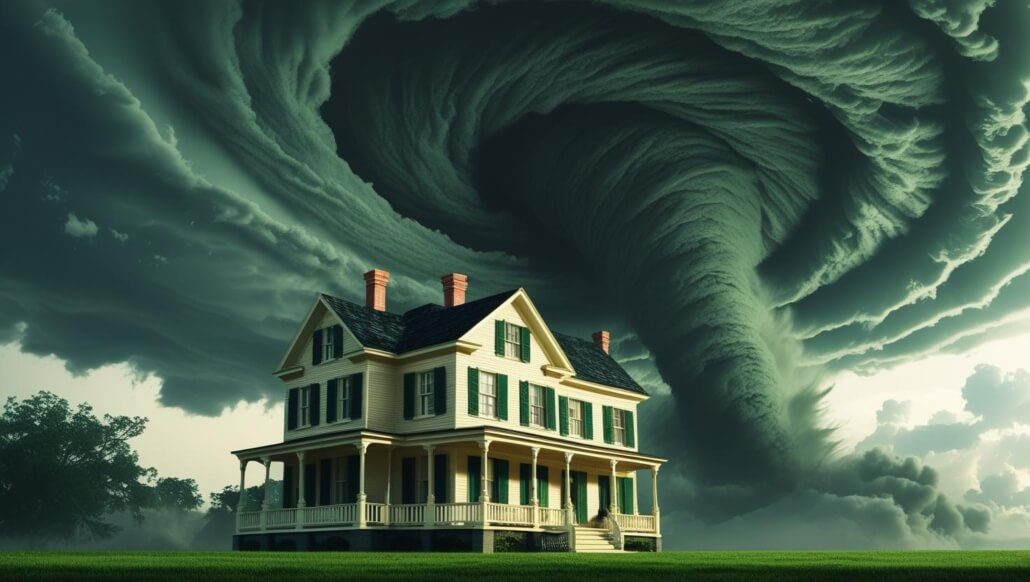
The Impact of Natural Disasters on Insurance Rates
The Bills Start After the Storm: How Natural Disasters Are Changing the Cost of Insurance
Imagine watching the television while a tornado razes neighborhoods or a storm roar toward the coast. While safety is the primary issue, a less obvious effect that follows is an increase in insurance premiums. Natural catastrophes not only cause physical devastation for homeowners, company owners, and even tenants, but they also upend the financial landscape, particularly in the insurance industry.
The Rising Tide: Why Natural Disasters Are Driving Up Insurance Costs
Natural disasters like tornados, floods, hurricanes, and wildfires have become more frequent and severe. These events lead to significant financial losses for insurance companies, which in turn adjust premiums to manage their risk exposure. As rebuilding costs soar, so too do insurance policies, especially in high-risk zones.
According to data from the National Oceanic and Atmospheric Administration (NOAA), the U.S. experienced 28 weather and climate disasters in 2023, each causing damages exceeding $1 billion. For insurers, this means billions in claims—and for policyholders, it often means double-digit percentage increases in premiums.
Breaking It Down: The Disasters and Their Effects
Tornadoes
Particularly in the Midwest and Southeast regions of the United States, tornadoes can hit without warning and with deadly severity. Homes and infrastructure can be leveled in a matter of minutes by these wind-driven occurrences. Because they have to pay out a lot of claims quickly, insurers must:
In places like Kansas and Oklahoma that are prone to tornadoes, raise premiums.
Increase the deductibles for damages caused by wind.
Stricter requirements for coverage eligibility.
Floods
Despite being one of the most frequent natural catastrophes, floods are also one of the most underinsured. Flood damage is often excluded from homeowner’s insurance policy, necessitating additional coverage through initiatives like FEMA’s National Flood Insurance Program (NFIP).
Following significant floods:
NFIP premiums typically increase dramatically, particularly in flood zones.
Private insurers drastically raise rates or limit the availability of flood coverage.
Previously “safe” places may be reclassified on new FEMA flood maps, increasing rates.
Hurricanes
Wind, rain, and storm surge are the three threats that hurricanes bring. After every storm season, premiums in states like Florida, Louisiana, and the Carolinas frequently soar. Among the impacts are:
The rising cost of reinsurance, or insurance for insurers, affects consumers.
The complete withdrawal of insurers from high-risk markets
Hurricane deductibles, which are higher than regular ones, were introduced.
How This Impacts You: Expectations for Policyholders
The repercussions are being felt across the country, regardless of whether you live in a disaster-prone location or not:
Premium increases, even in places with moderate risk
Fewer coverage alternatives and stricter underwriting
Increased focus on mitigation, including mandating flood-proofing or storm shutters for reduced rates
Additionally, insurers are increasingly using climate data and prediction algorithms to evaluate risk, so even in the absence of a storm, changes in the risk profile of your ZIP code may have an impact on your premiums.
Getting Ready for an Unpredictable Future
Natural disasters are becoming the new normal rather than “rare” events. Insurance costs will continue to reflect this increasing unpredictability as climatic trends change and extreme weather occurrences become more frequent.
Important Takeaways: Hurricanes, floods, and tornadoes cause a large spike in claims, which forces insurance companies to boost rates.
Homeowners in high-risk areas may be subject to reduced coverage and stricter policies.
Costs may increase for policyholders nationwide, even if their area hasn’t been affected.
You can experience the benefits of being a part of a full-service Independent Insurance Agency today! Simply contact Briggs Agency, Inc. if you are interested in an insurance review at 219-769-4840 or visit our website at www.BriggsAgency.com. We look forward to hearing from you!
Blog post written by: Caden Gliva

