
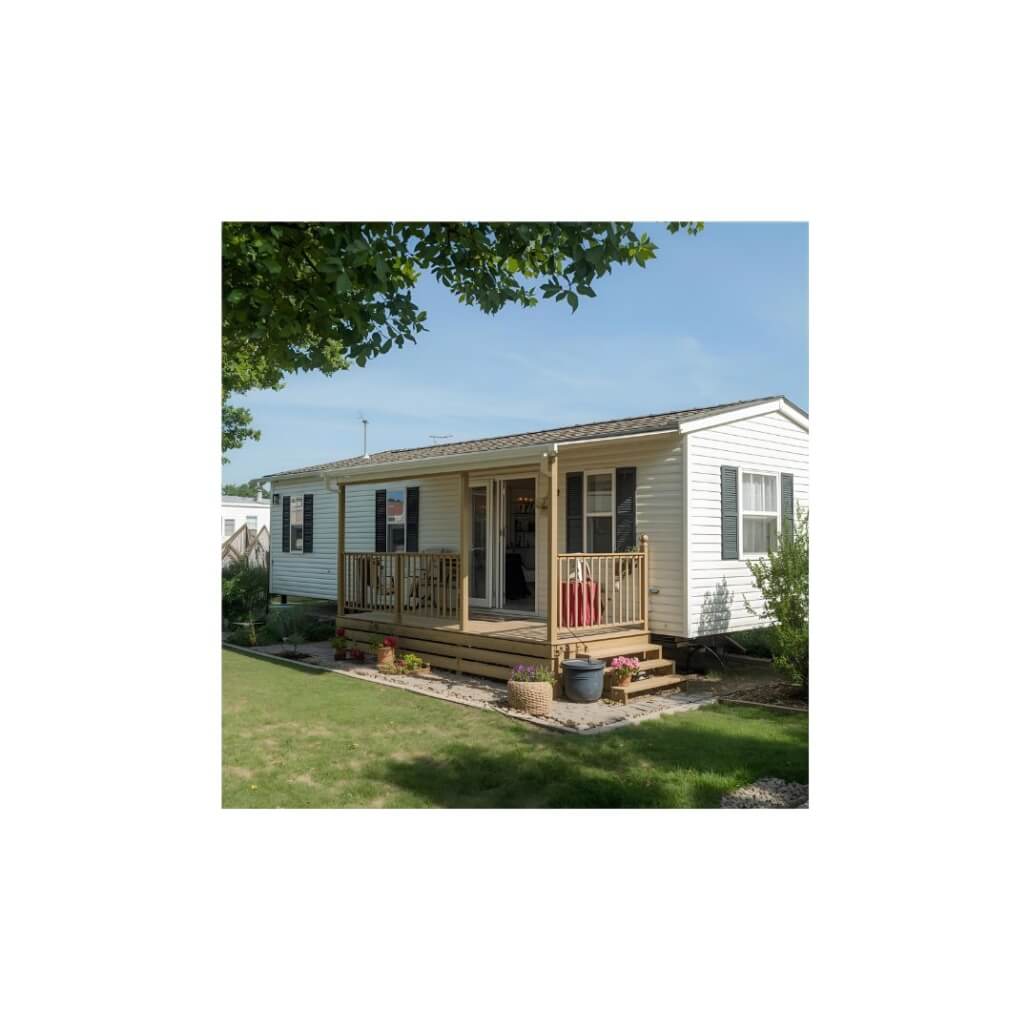
Insurance for Mobile Homes: What You Need to Know?
🏠 Insurance for Mobile Homes: What You Need to Know
Owning a mobile home (or manufactured home, as the pros call them) offers a lot of freedom and affordability. Whether you’ve got your dream home set up in a peaceful community or on your own land surrounded by trees, protecting it with the right insurance is essential.
But here’s the thing: mobile home insurance isn’t quite the same as standard homeowners’ insurance. There are a few quirks, coverage options, and important considerations to know before you sign on the dotted line.
Let’s break it all down in plain English — and make sure your home-on-wheels (even if it never moves) is covered from top to bottom.
🧱 What Exactly Is Mobile Home Insurance?
Mobile home insurance is a specialized type of homeowners insurance designed for manufactured or modular homes. Since mobile homes are built differently from traditional houses — and sometimes located in parks or communities with unique risks — they need a tailored insurance policy.
Most insurers offer it as a “mobile home policy” (HO-7), which is similar to a standard homeowners (HO-3) policy but with key differences in coverage and construction considerations.
💡 What’s Covered? The Core of Your Policy
Here’s what most mobile home insurance policies typically include — and what you’ll want to look for:
1. Dwelling Coverage
This covers the structure of your mobile home itself — the walls, roof, and any attached structures (like decks or porches).
It protects you from covered perils such as fire, hail, windstorms, or vandalism.
👉 Pro tip: Make sure the coverage amount reflects the replacement cost of your home, not just its current market value. Mobile homes depreciate, so a replacement-cost policy ensures you can rebuild, not just get a check for less than what you need.
2. Personal Property Coverage
This is all about your stuff. Furniture, electronics, clothing — even that fancy coffee maker you can’t live without.
If your belongings are damaged or stolen, this part of your policy helps replace them.
💬 Tip: Take photos or keep a digital inventory of your belongings. It makes filing a claim much easier if the worst happens.
3. Liability Protection
Let’s say a guest slips on your steps or your dog knocks someone over — liability coverage protects you financially if someone is injured on your property or if you accidentally cause damage to someone else’s property.
It can also help pay for legal fees if you’re sued.
4. Additional Living Expenses (ALE)
If your mobile home becomes uninhabitable after a covered loss (like a fire or major storm), ALE coverage helps pay for temporary housing, meals, and other living costs while repairs are being made.
That way, you’re not stuck couch-surfing indefinitely.
⚡ Optional (and Highly Recommended) Add-Ons
Mobile homeowners face some unique risks. Depending on your location and lifestyle, you may want to add a few extra layers of protection:
-
Flood insurance: Most standard policies don’t cover flooding — and mobile homes are often more vulnerable to it. If you live in a flood-prone area, this is a must-have.
-
Earthquake insurance: Also, not typically included, but important if you live near fault lines.
-
Trip collision coverage: If you plan to move your mobile home, this covers damage that might occur during transport.
-
Sewer backup coverage: Gross? Yes. Necessary? Also, yes. This protects you from damage caused by backed-up drains or sump pumps.
-
Extended replacement cost: Covers rebuilding your home even if the cost exceeds your dwelling limit (great for inflation protection).
🏘️ Special Considerations for Mobile Homeowners
🔩 Age and Condition Matter
Older mobile homes — especially those built before 1976 (the year HUD set national construction standards) — may be harder or more expensive to insure. Some insurers might require an inspection before issuing coverage.
🌪️ Location, Location, Location
Where your mobile home sits play a huge role in your rates and eligibility. Homes in coastal, hurricane, or tornado-prone areas will have higher premiums — or may require special wind/hail deductibles.
🔒 Community vs. Private Land
If your home is located in a mobile home park or community, check whether the park’s master policy covers certain structures or liability risks. You don’t want to double up on coverage (or miss a gap).
⚙️ Anchoring and Skirting
Insurers love stability (literally). Mobile homes that are properly anchored and skirted are less prone to storm damage — and may qualify for better rates.
💰 How Much Does Mobile Home Insurance Cost?
On average, you can expect to pay $300–$1,000 per year, depending on factors like:
-
Your home’s value and age
-
Location and local weather risks
-
Deductible and coverage limits
-
Security systems or safety features
You can often score discounts for:
-
Installing smoke detectors and storm shutters
-
Bundling with auto insurance
-
Having a good credit score
-
Going claim-free for several years
🔍 How to Choose the Right Policy
When shopping around, compare at least 3 quotes from reputable insurers.
Ask about:
-
Replacement cost vs. actual cash value (replacement cost = better protection)
-
Coverage limits (especially for personal property)
-
Exclusions (flood, earthquake, pest damage, etc.)
-
Deductible options (higher deductibles = lower premiums, but more out of pocket if you file a claim)
And don’t be afraid to ask for clarification. Insurance terms can feel like a foreign language — but understanding your policy now saves a ton of stress later.
🏡 Final Thoughts
Your mobile home is more than just a structure — it’s your home, your comfort zone, your safe place.
The right insurance policy helps protect that investment, giving you peace of mind no matter where life (or the weather) takes you.
So, whether you’re settling down or rolling to a new adventure, take the time to find coverage that truly fits your lifestyle.
Bottom line:
✅ Know what’s covered.
✅ Understand your risks.
✅ Get the right protection.
You can experience the benefits of being a part of a full-serviced Independent Insurance Agency today! Simply contact Briggs Agency, Inc. if you are interested in an insurance review at 219-769-4840 or visit our website at www.BriggsAgency.com. We look forwards to hearing from you!
Blog post written by: Zachary Pelke

