
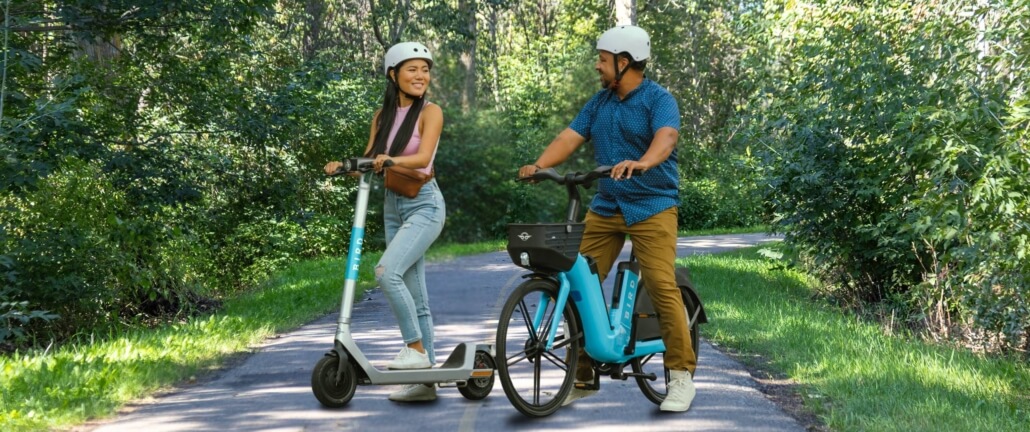
E-Bike and E-Scooter Insurance
E-bikes and e-scooters are easily becoming one of the most popular fads used among kids, teens, and even adults. With these battery-powered motors, they reach between 10-25 mph with some higher-performance models even reaching up to 40 mph. While they are fun and convenient, they also raise concerns regarding safety especially among younger, inexperienced riders.
Is Insurance Required?
While insurance is not legally required for e-bikes and e-scooters, it is highly recommended. However, where they fall upon under liability is where it gets tricky.
Since their range of speeds and power can differ, their classifications can also differ based on insurance company. In most cases, they will be considered as a standard bicycle. Therefore, they would be treated as personal property under a homeowner’s policy. However, some policies contain motorized vehicle exclusion which can limit or completely deny coverage depending on many things such as:
- Speed
- Motor wattage
- Vehicle classification
- Where the incident occurred
- How the e-bike or e-scooter was being used
On the other hand, some of these e-bikes and e-scooters may fall closer to a motorized vehicle. For an e-bike, the federal cap is 20 mph and 750 watts. Anything that is not considered a Class 1, Class 2, or Class 3 will be subject to a motorized vehicle.

Once this threshold has been met, the e-bike may be legally required to registration, insurance, and a motorcycle license. Since laws vary by state, it is important to understand your local regulations.
Indiana Law Regulations
For Indiana, the law limits e-bikes to motors of 750 watts or less. If they were to exceed those limits, it may be legally classified as a motorized vehicle.
As for safety requirements, Indiana does not require helmets to be worn under Class 1 and Class 2 bikes. However, rules are slightly stricter for Class 3 e-bikes. Any riders or passengers under the age of 18 must wear a properly fitted helmet approved by safety standards, and individuals under the age of 15 are not able to operate the e-bike.
In general, Class 1 and Class 2 e-bikes are allowed to be driven anywhere that regular bicycles are permitted. This includes trails, parks, and other local bike paths. Class 3 e-bikes face more restrictions. Overall, it relies on local rules regarding e-bike access.
As for e-scooters, they must meet the following:
- Must weigh under 100 pounds
- Can have no more than three wheels
- Must include handlebars and a standing platform
- Cannot exceed 20 mph
Like Class 1 and Class 2 e-bikes, e-scooters are not subject to helmet requirements and are generally expected to follow the same traffic laws as bicycles.
For both e-bikes and e-scooters, Indiana requires the following:
- Obey traffic signs and signals
- Cannot ride on interstate highways
- Should ride near the right side of the road when appropriate
- Must have reflectors and a white light visible from 500 feet when riding at night
Why You Need Insurance
As the popularity of e-bikes and e-scooters continues to rise, so does the number of accidents. Within the last year, there was reportedly 80% more e-bike and e-scooter injuries treated at hospitals with accidents increasing by roughly 45% each year. For a lot of these accidents, riders face head injuries, fracturs, and other serious conditions. Many say that this is linked to the limited regulation of these high-powered e-bikes and e-scooters and adoption by young, inexperienced drivers.
While your homeowner policy MAY cover theft, damage, or limited liability protection, it will not cover any medical expenses. Rather, health insurance would be applied. Overall, there are a lot of potential gaps in coverage regarding e-scooters and e-bikes under a homeowner’s policy due to classification of the electrical device and exclusions under your policy.
As for an auto policy, e-bikes and e-scooters will not be eligible as they are not registered motor vehicles.

How to Ensure You’re Insured
Many companies have been introducing e-bike and e-scooter insurance as an addition to a homeowner’s policy. Larger companies such as Progressive, State Farm, and Farmers Insurance have had this addition. Under this coverage, the following may be available:
- Comprehensive – damages other than collision (theft, vandalism, etc.)
- Collision – if you hit another object
- Liability – injury or property damage to others
- Medical payments – medical expenses for you and passengers
- Roadside assistance – breakdown, dead battery, and other needs of transportation
- Replacement parts – manufactured parts for repair
Tips for Staying Safe
If you are considering purchasing an e-bike or e-scooter, it is best to make sure you are staying protected at all times, insurance and all! Here are some tips to make sure that you are safe:
Always wear a helmet
Even if the law does not require you to wear one, helmets greatly reduce the risk of head injuries.
Follow local traffic laws
Treat e-bikes and e-scooters like any other vehicle on the road by obeying traffic lights and signals.
Avoid riding distracted
Never text or use your phone while driving.
Supervise younger riders
Kids and teens may not fully understand stopping distances, vehicle acceleration, and other traffic patterns. Make sure they are properly educated and supervised.
Understand the speed and power prior to riding
Many accidents occur because riders underestimate the speed and power of their electrical vehicles. Practice in a safe area before riding in more trafficked areas.
Use lights and reflective gear at night
Visibility is crucial! Make sure that you can be seen at all times and weather conditions.
Talk to One of Us!
When considering purchasing a e-bike or e-scooter, it is essential that you speak to your agent to understand where coverage can be applied and any gaps that may be hiding. Contact one of your local agents today at Briggs Agency by calling (219) 769-4840.

