
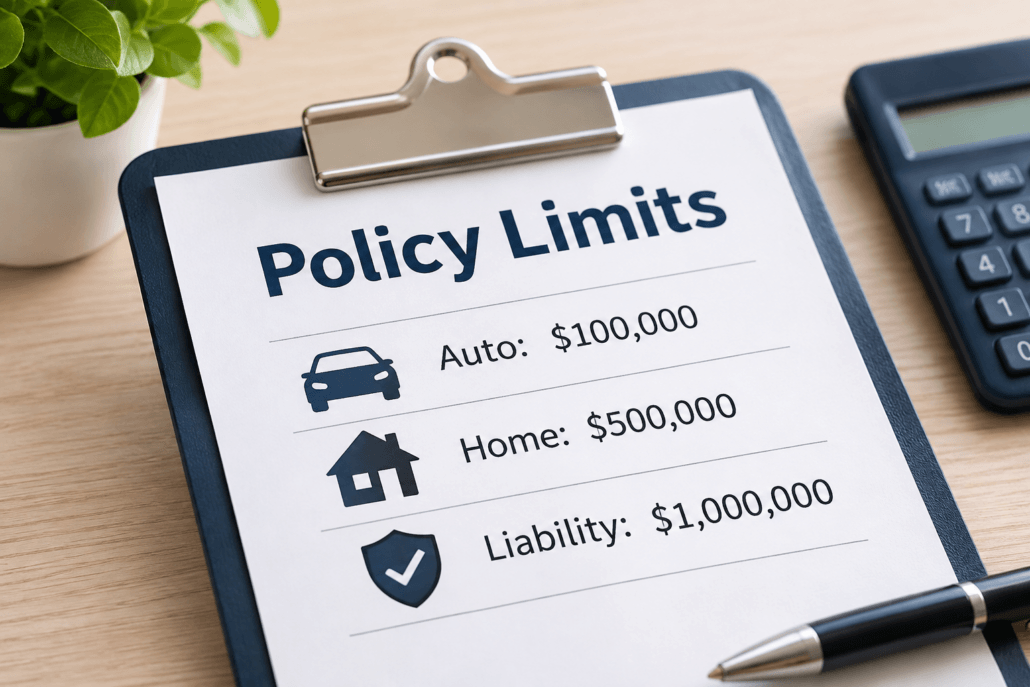
Understanding Policy Limits
Having insurance is important, but do you know how much protection your policy actually provides? Understanding your policy limits can help you avoid unexpected expenses when accidents or losses occur.
When purchasing insurance, many people focus on the cost of their premiums rather than the amount of coverage they receive. However, understanding your policy limits is just as important as having insurance itself. Policy limits determine the maximum amount your insurance company will pay for a covered claim, depending on the terms of your policy. If the cost of a claim exceeds these limits, you may be responsible for paying the remaining expenses out of pocket. Whether you have auto, home, or business insurance, knowing your coverage limits can help you make informed decisions and avoid costly gaps in protection.
What Are Policy Limits?
Policy limits are the maximum amounts your insurance company will pay for a covered claim. These limits are set when you purchase your policy and depend on the type of insurance and coverage you choose.
For example, let’s say you have an auto insurance policy with a $100,000 property damage liability limit. If you cause an accident that results in $150,000 worth of covered property damage, your insurance company may only pay up to $100,000. This means you could be responsible for the remaining $50,000.
Knowing your policy limits can help you understand how much protection you actually have and what expenses you may have to cover yourself.
Different Types of Policy Limits
Not all policy limits work the same way. Depending on your insurance, you may notice a few different types of limits listed on your policy.
- Per-Occurrence Limit: The maximum amount your insurance company will pay for one covered incident.
- Aggregate Limit: The total amount your insurance company will pay for covered claims during a policy period, usually one year.
- Per-Person Limit: The maximum amount your insurance company will pay for one person’s injuries in a covered accident.
- Combined Single Limit: One overall limit that applies to covered bodily injury and property damage liability from a single accident.
While these terms may seem confusing at first, understanding what they mean can make it easier to know what to expect if you ever need to file a claim.
Why Do Policy Limits Matter?
Having insurance gives you peace of mind, but that doesn’t always mean every expense will be covered. If the cost of a claim goes beyond your policy limits, you could be left paying the difference out of pocket.
For example, imagine a fire causes major damage to your home. If the cost to rebuild is higher than your coverage limit, you may have to pay some of those expenses yourself. The same can happen with auto insurance after a serious accident or with business insurance if a costly lawsuit occurs.
These situations can become expensive quickly. Having the right policy limits can help reduce the financial stress that comes with an unexpected loss.
How Do You Know If Your Policy Limits Are Enough?
Choosing the right policy limits isn’t always easy. Everyone’s situation is different, and the coverage that works for one person may not be enough for someone else.
When deciding how much coverage you need, there are a few things worth considering:
- Your Assets: Think about your home, savings, and other valuable assets you want to protect.
- Your Risks: Consider the types of accidents, damage, or liability claims you could face.
- Coverage Requirements: Some types of insurance have minimum limits required by state laws, lenders, or contracts.
- Your Budget: Lower limits may mean cheaper premiums, but they could also lead to higher out-of-pocket expenses after a claim.
It can be tempting to choose the lowest limits to save money on your insurance. However, paying a little more for additional coverage could make a big difference if something unexpected happens. Talking with an independent insurance agent can help you find a balance between affordability and protection.
When Should You Review Your Policy Limits?
Life changes, and your insurance coverage should change with it. The policy limits you chose a few years ago may not provide the same level of protection today.
Buying a new home, purchasing a vehicle, starting a business, or making major home improvements are all good reasons to take another look at your coverage. Even if nothing major has changed, rising repair costs, construction expenses, and medical bills can affect how much insurance you may need.
Making it a habit to review your policies at least once a year can help you catch potential coverage gaps before they become a problem. A quick conversation with your insurance agent can help you decide whether your current limits still make sense for your situation.
Conclusion
Understanding your policy limits is an important part of making sure you have the right insurance coverage. While it may be easy to focus on finding the lowest premium, having enough protection matters just as much. Unexpected accidents, property damage, and liability claims can become expensive quickly. Knowing what your policy covers and where your limits stand can help you avoid costly surprises down the road.
Taking the time to review your policy limits can make a big difference when the unexpected happens. As your life and financial needs change, your insurance coverage should reflect those changes. Working with an independent insurance agent can help you better understand your options and find coverage that fits your needs. After all, insurance is about more than just having a policy. It’s about making sure you’re properly protected when you need it most.
You can experience the benefits of being a part of a full-service Independent Insurance Agency today! Simply contact Briggs Agency, Inc. if you are interested in an insurance review at 219-769-4840 or visit our website at www.BriggsAgency.com. We look forward to hearing from you!
Blog Post written by: Alex Condes

