
Retail space insurance: Safeguarding Shops and Malls From Disruptions
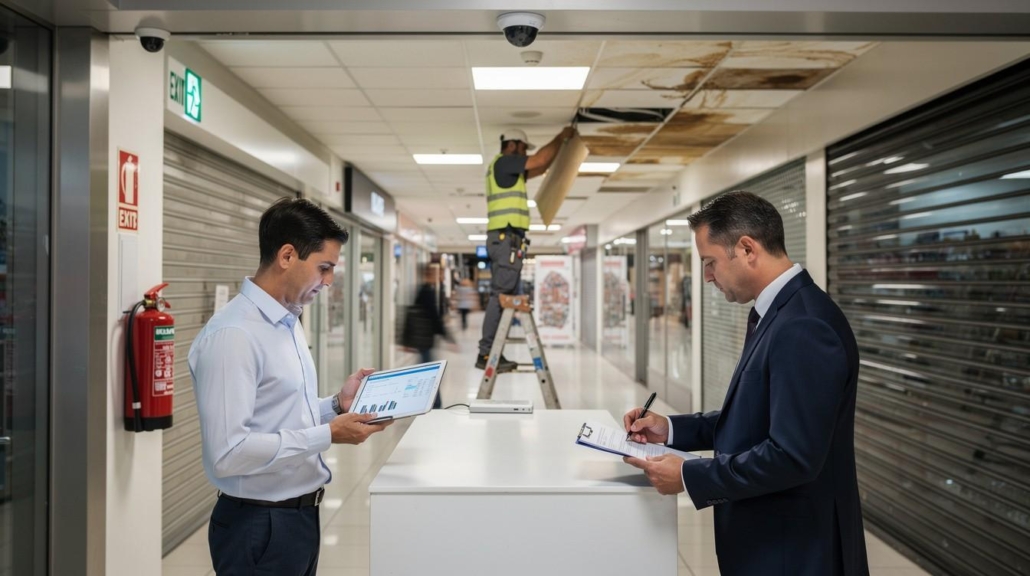
Retail space insurance protects your business from the unexpected events that can derail operations and drain your finances. Whether you run a single storefront or manage multiple locations, the right coverage makes the difference between a temporary setback and a business-threatening crisis.
At Briggs Agency, Inc., we’ve helped countless retail owners understand what protection they actually need. This guide walks you through the coverage options, common risks, and how to select insurance that fits your specific situation.
What Your Retail Insurance Actually Covers
Property Damage and Replacement Costs
Retail space insurance protects your business from unexpected events that can halt operations and drain your finances. Property damage coverage handles the physical structure of your store, including walls, flooring, fixtures, and built-in systems. Construction costs rose over 20% between 2020 and 2024, which directly affects your replacement cost coverage.
Business Interruption Protection
Business interruption protection activates when a covered event forces you to close temporarily. If a fire damages your store and you cannot operate for three weeks, this coverage pays your lost income and ongoing expenses like rent and utilities. The National Retail Federation reported that the average retail business loses approximately $1,000 per day during unexpected closures, making this protection essential for most retailers.
Liability Coverage for Customer Injuries
Liability coverage protects you when a customer gets injured in your space and files a claim against your business. A slip-and-fall lawsuit can cost $20,000 to $40,000 in legal defense alone, even if you win. This protection shields your personal assets from claims that arise from accidents on your premises.
Inventory and Merchandise Loss
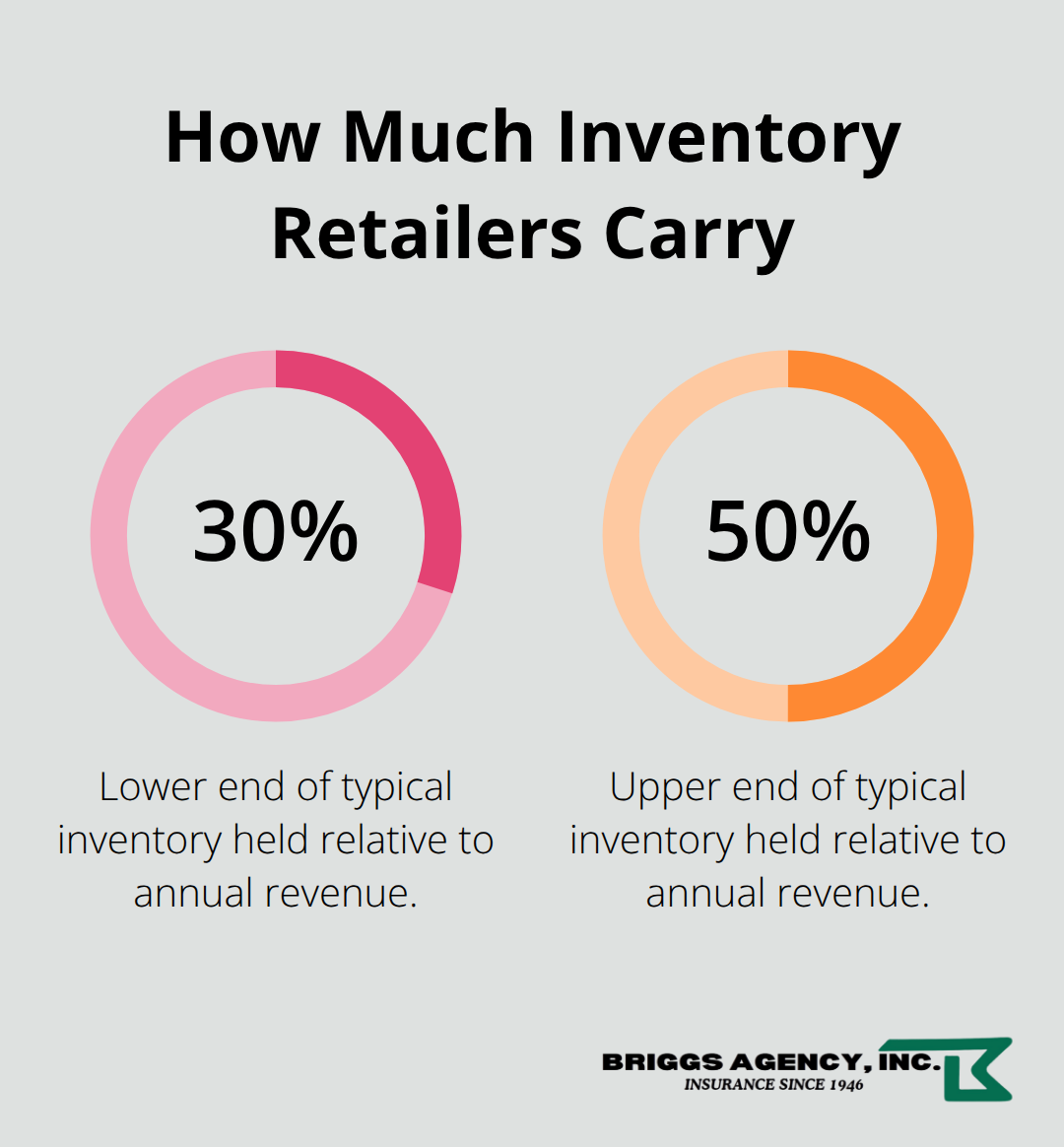
Inventory and merchandise loss coverage reimburses you for stock destroyed by fire, theft, or other covered events. Most retailers carry 30% to 50% of their annual revenue in inventory at any given time, making this protection vital to your recovery. Your landlord’s building insurance does not cover your merchandise-your personal property needs separate protection, and that gap has caught too many retail owners off guard.
Annual reviews of your coverage limits matter because your inventory value shifts with seasons and business growth. Understanding these four protection areas positions you to identify gaps before they become costly problems, which leads directly into selecting the right coverage limits for your specific operation.
Common Risks Facing Retail Businesses
Weather Events and Natural Disasters
Weather events and natural disasters pose the most immediate threat to retail operations, and the numbers confirm why this risk demands serious attention. In 2022, the nation experienced 18 disasters with costs exceeding a billion dollars each, with retail properties frequently in the crosshairs. Flooding affects approximately 20% of commercial properties over a ten-year period according to the Federal Emergency Management Agency. Hurricanes, tornadoes, hail, and winter storms damage your building and interrupt your revenue stream for days or weeks while repairs happen. A single weather event forces you to close for anywhere from three days to several months, depending on severity and your location in Indiana or surrounding regions.
Theft and Organized Retail Crime
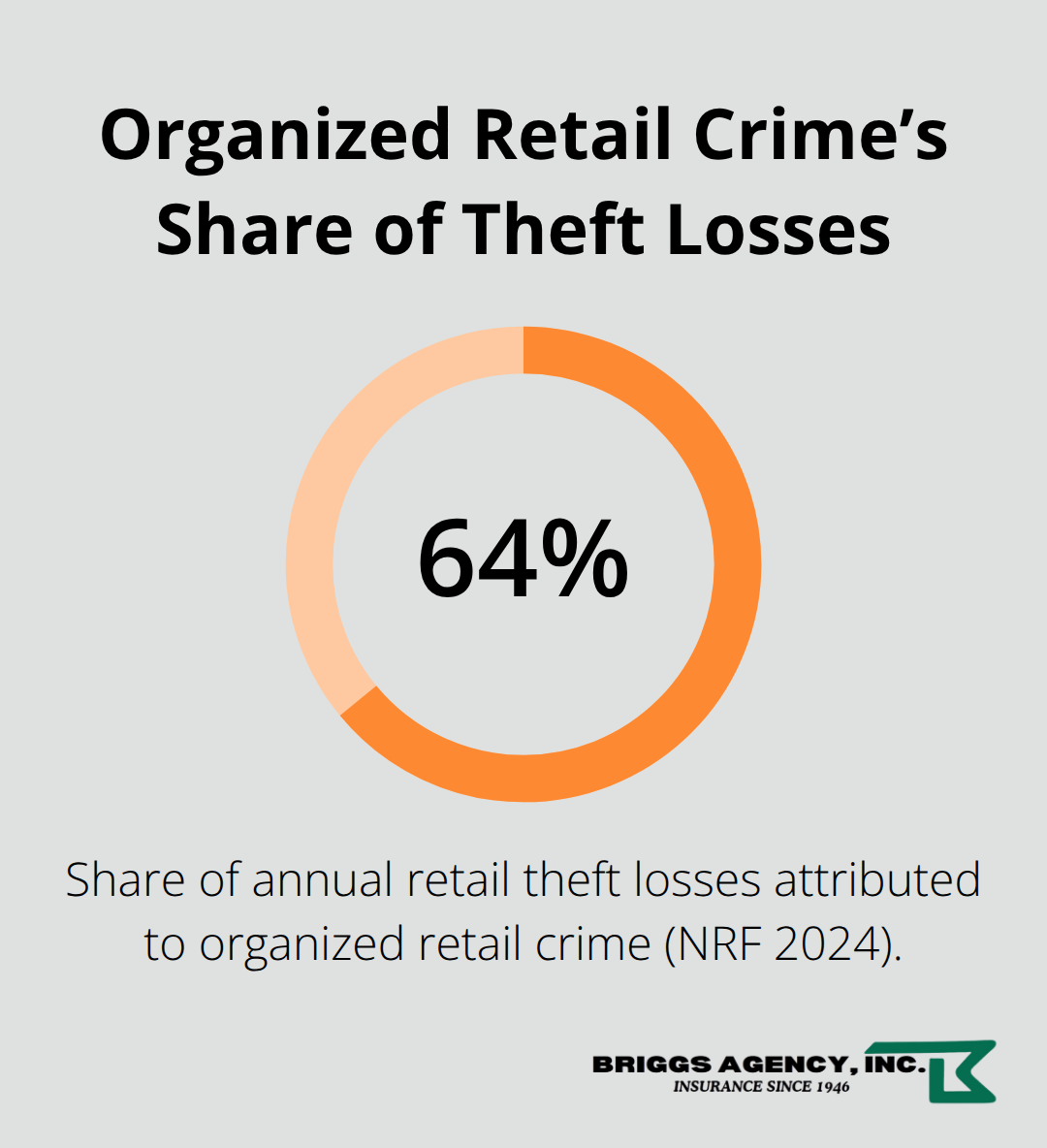
Theft and organized retail crime drain retail profits in ways that often go unnoticed until losses mount significantly. The National Retail Federation’s 2024 Security Survey found that retail theft costs businesses $112.1 billion annually, with organized retail crime accounting for roughly 64% of that total. Shoplifting, employee theft, and break-ins affect both premium retail locations and discount operations equally, regardless of neighborhood or store size.
A single organized theft ring targeting your merchandise can result in losses exceeding $50,000 before you detect the pattern. Beyond the immediate loss, theft increases your operating costs through security measures, staff time investigating incidents, and higher insurance premiums if claims spike.
Equipment Failure and System Breakdowns
Equipment failure and system breakdowns create hidden costs that many retail owners overlook until problems strike. Your HVAC system, electrical panels, refrigeration units, and point-of-sale systems represent tens of thousands of dollars in infrastructure that can fail without warning. When your climate control fails during summer heat, you risk merchandise damage and customer discomfort that drives sales down immediately. A point-of-sale system outage prevents you from processing transactions for hours, which translates directly to lost revenue you cannot recover. These operational disruptions cost money twice-once through lost sales and again through emergency repair bills that contractors charge premium rates for same-day service.
Understanding which risks hit hardest based on your specific location, merchandise type, and building systems positions you to select coverage that addresses those exact exposures rather than generic protection that leaves gaps. The right insurance strategy starts with identifying your actual vulnerabilities, which brings you to the critical step of choosing coverage that truly fits your operation.
How to Choose the Right Retail Space Insurance
Assess Your Specific Business Needs and Exposures
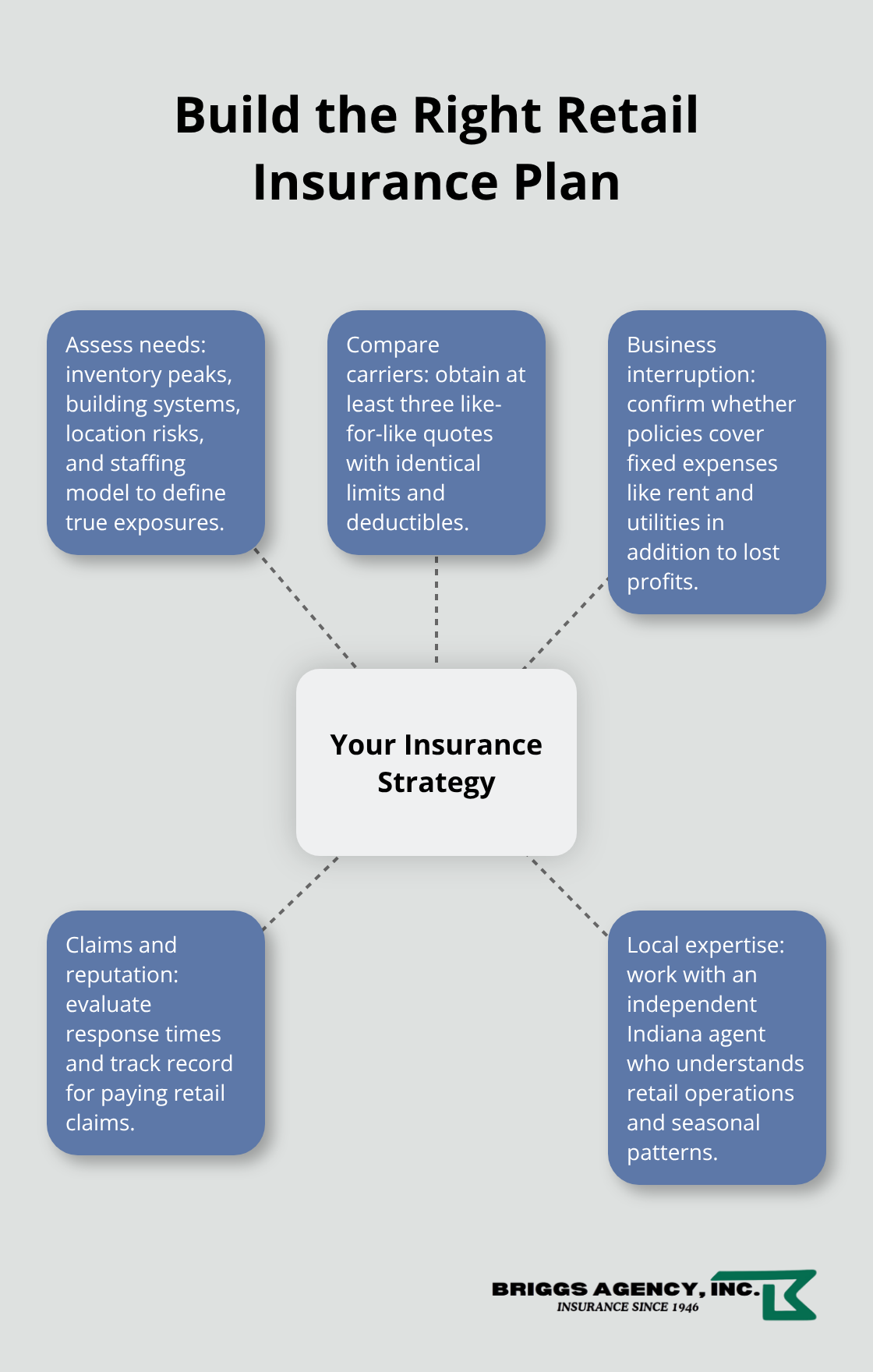
The biggest mistake retail owners make is purchasing insurance based on what their landlord requires or what sounds comprehensive rather than what their specific business actually needs. Start by listing your exact exposures: the merchandise you carry, your building’s age and condition, your location’s weather patterns, your staffing model, and your revenue during peak seasons. A clothing boutique in Crown Point faces different risks than a grocery store or electronics retailer, yet many owners accept generic policies that leave dangerous gaps.
Document your highest inventory value across the year-not an average, but the actual peak number during your busiest season-because that determines your merchandise coverage limit. Walk through your space and identify every system that could fail: HVAC, electrical panels, refrigeration, security systems, and point-of-sale infrastructure. Calculate what each system costs to replace and what revenue loss you’d face during repairs. This inventory becomes your negotiating document when comparing carriers, because you now speak in specifics rather than guesses about your protection needs.
Compare Coverage Options Across Multiple Carriers
Comparing carriers requires more than requesting quotes; you need to see actual policy language around coverage limits, deductibles, and exclusions side by side. Request quotes from at least three carriers using identical coverage amounts and deductibles so you can see real price differences rather than comparing apples to oranges. Many carriers offer discounts for security measures-alarm systems, surveillance cameras, and loss prevention practices-that can reduce your premium 10% to 25%.
Ask each carrier specifically how they handle business interruption: do they cover lost profits only, or do they also cover fixed expenses like rent and utilities during closure? The difference between these two approaches can mean tens of thousands of dollars in recovery after a major loss. You’ll also want to understand each carrier’s claims process, response times, and reputation for actually paying claims when retail disasters strike your store.
Work with a Local Agent Who Understands Retail Operations
A local agent who understands retail operations in Indiana knows which carriers respond quickly to claims, which ones have restrictive exclusions, and which ones actually deliver on their promises when disaster strikes your store. An independent agent representing multiple carriers can identify which company offers the best terms for your specific retail operation rather than pushing one carrier’s standard package. Your agent should ask detailed questions about your inventory turnover, peak season timing, and specific equipment that keeps your business running-not just generic questions from a standard form.
Final Thoughts
Retail space insurance protects your ability to recover when unexpected events threaten your operation. The coverage options we’ve outlined, combined with an honest assessment of your specific risks, form the foundation of a protection strategy that actually works when you need it. Your next step is straightforward: gather your business details, document your peak inventory value, and note the weather patterns and crime trends that affect your location.
We at Briggs Agency, Inc. have guided retail owners through this process since 1946, and we’ve seen firsthand how the right coverage makes the difference between a temporary setback and a business-threatening crisis. As an independent agency in Crown Point, we represent multiple carriers, which means we compare options and identify which company offers the best terms for your specific retail operation. Our agents ask the detailed questions that matter-about your inventory turnover, peak season timing, and the equipment that keeps your business running-because generic protection fails when real disasters strike.
Local expertise matters because your agent knows which carriers respond quickly to claims, which ones have restrictive exclusions, and which ones actually deliver when retail disasters hit your store. An agent who understands your community and your business can identify coverage options and discounts you might otherwise miss, potentially saving you thousands in premiums while strengthening your protection. Contact Briggs Agency, Inc. to discuss your retail space insurance needs with an agent who knows your market and your business.
The information provided in this blog is for general informational purposes only and does not constitute legal, financial, or insurance advice. Coverage options, terms, and availability may vary. Please consult with a licensed professional for advice specific to your situation.
Artificial intelligence may have been used to generate text and images in some blog articles.
