
Restaurant Licensing Compliance Tips: Staying Legal and Ready
Running a restaurant means juggling dozens of moving parts, and licensing compliance is one area where mistakes can cost you dearly. At Briggs Agency, Inc., we’ve seen how quickly a simple oversight can turn into fines, closures, or legal headaches.
The good news is that restaurant licensing compliance tips don’t have to be complicated. With the right system in place, you can stay on top of your obligations and protect your business.
Understanding Restaurant Licensing Requirements
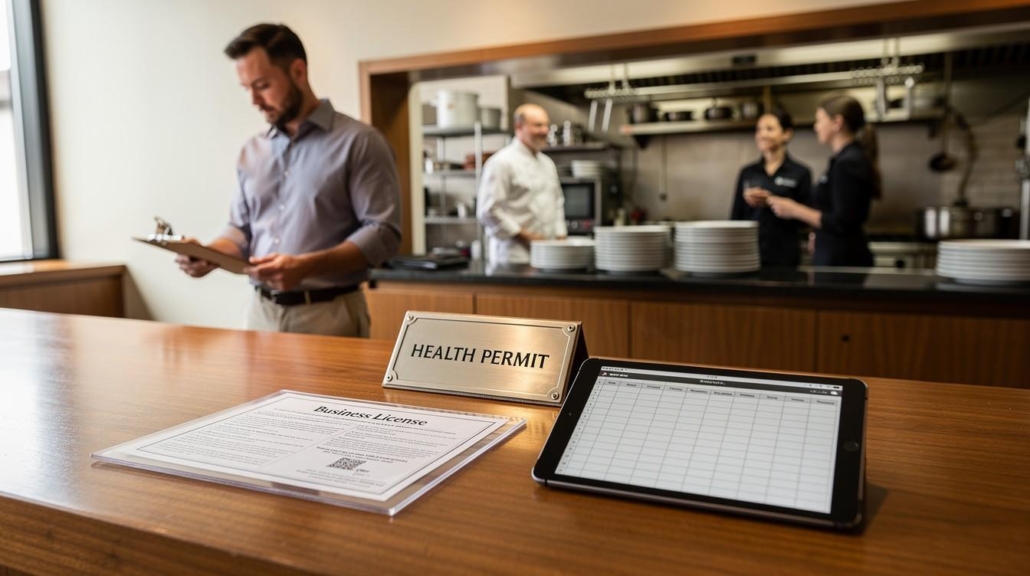
Your restaurant operates with multiple licenses and permits running simultaneously, and missing even one creates legal exposure. At the federal level, you need an Employer Identification Number from the IRS if you have employees, plus compliance with FDA food safety regulations that govern everything from temperature control to allergen labeling. Most states require a food service license, which typically costs between $100 and $1,000 annually depending on your establishment type and volume. Many states also mandate separate licenses for alcohol service, which adds another layer of complexity and cost. Local health departments issue health permits after inspections, while your city or county may require a general business license and food establishment permit.
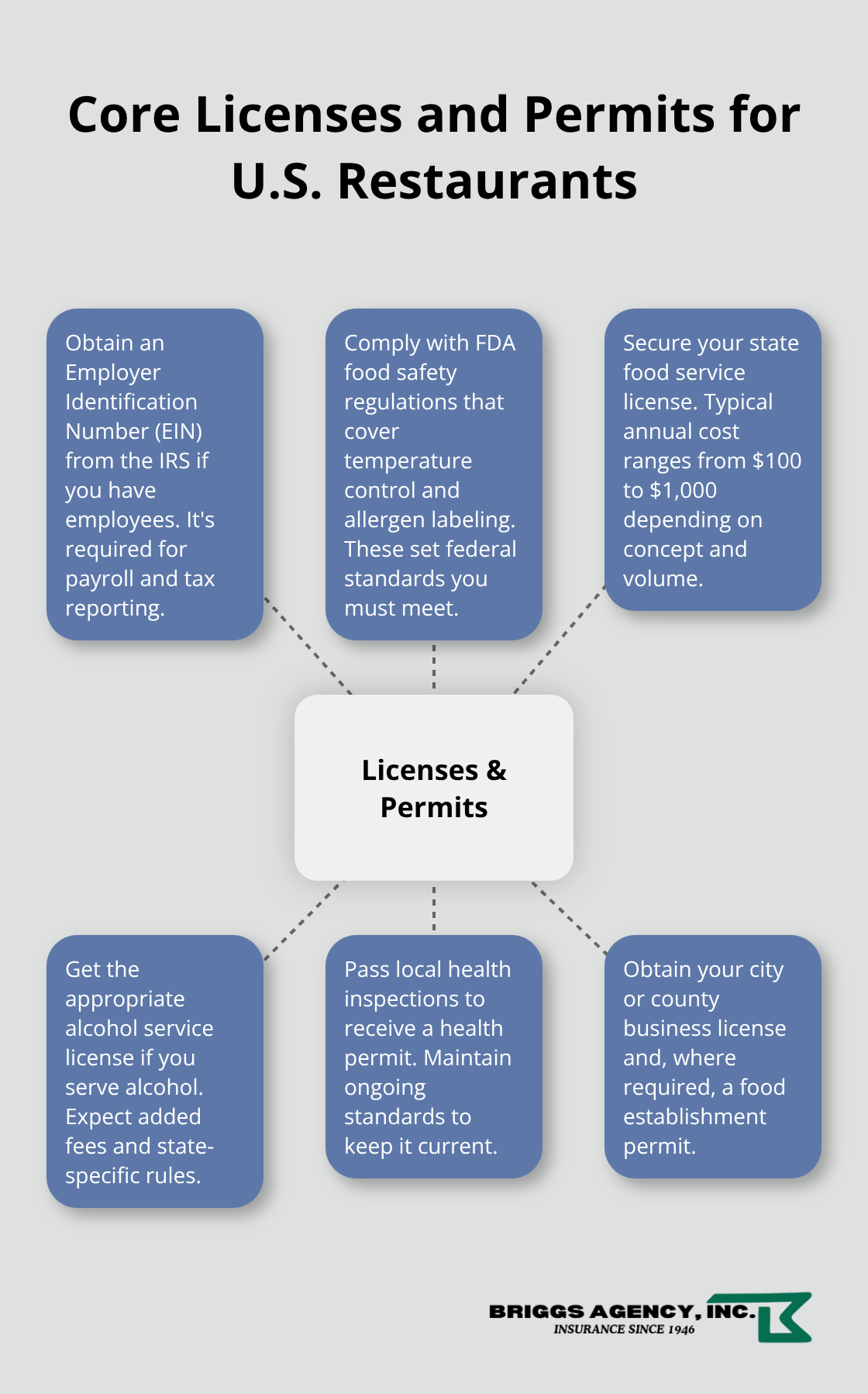
If you hold a liquor license, you’ll face additional state-specific requirements around hours of operation, staff training, and inventory tracking.
How Location Changes Everything
The specific combination of licenses varies dramatically by location-what applies in Indiana differs significantly from California or Texas requirements. You cannot assume your neighbor’s license structure matches yours, even if you operate similar restaurants. A California restaurant might face a health inspection every 6 months based on risk category, while a low-risk establishment in another state could go 18 months between inspections. Your state’s health department website lists the exact requirements for your jurisdiction, and contacting your local health department directly prevents costly assumptions.
Where Compliance Actually Breaks Down
Restaurant owners typically underestimate how often licenses need renewal. Your food service license often renews annually, but health permits may require inspections every 6 to 12 months depending on your state. Liquor licenses in many states require renewal every 1 to 3 years with substantial fees and paperwork. The biggest mistake we see is treating licenses as one-time tasks rather than ongoing obligations with specific deadlines.
Failing to maintain current licenses results in fines averaging $1,000 to $5,000 per violation, and repeated violations can lead to suspension or revocation. Some owners don’t realize that expired licenses create liability issues with your insurance coverage-many policies require current licensing as a condition of protection. Federal compliance around employment law, tax withholding, and workers compensation adds another dimension that many restaurant operators overlook entirely.
Building Your Tracking System
You need a system that tracks renewal dates at least 90 days in advance, assigns responsibility to a specific person, and documents completion. A simple spreadsheet works if you update it monthly, though restaurant management software often includes license tracking features. Assign one team member to own this responsibility and hold them accountable for meeting deadlines. This foundation prevents lapses and positions you to build the compliance management system that keeps your operation running smoothly.
Building a Compliance System That Actually Works
A spreadsheet tracking license renewal dates falls apart the moment your restaurant gets busy or staff turnover happens. You need to move beyond basic spreadsheets to a system that assigns ownership, documents completion, and flags deadlines automatically. Your compliance system requires three core components: a centralized record that lists every license with its renewal date, expiration date, and associated fees; a designated person responsible for monitoring these dates and initiating renewal processes at least 90 days before expiration; and a documented audit schedule that catches gaps before inspectors do. The National Restaurant Association reports that 73% of restaurants cite administrative compliance as their biggest operational challenge, which tells you this isn’t a minor task you can handle casually.
Creating Your Master License Document
Start by creating a master document that includes your food service license, health permit, liquor license (if applicable), business license, and any specialty permits your jurisdiction requires. Include the issuing agency contact information, the typical renewal cost, and your specific renewal dates rather than generic estimates. Assign one person as the compliance owner with explicit authority to manage deadlines and document completion. Hold a monthly 15-minute review where this person reports on upcoming renewals and any inspection results.
Conducting Quarterly Internal Audits
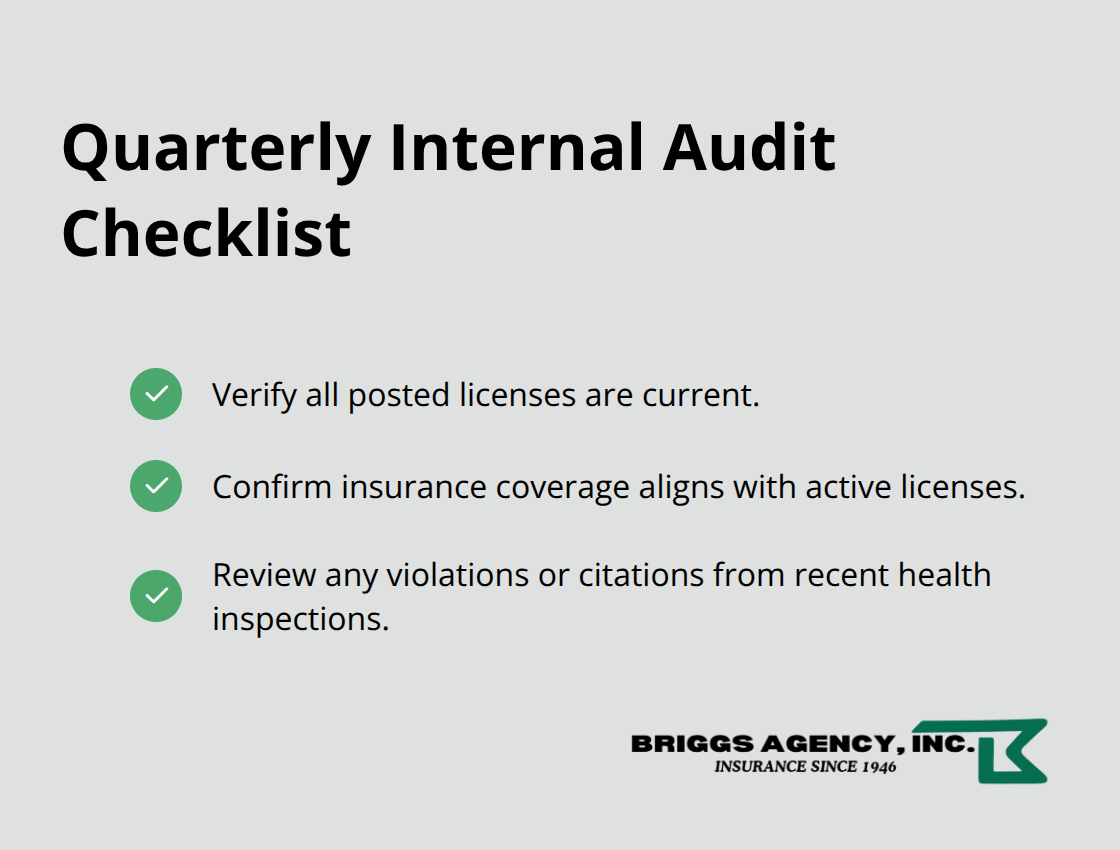
Your internal audit process should happen quarterly, not annually, because waiting until year-end to discover a lapsed license creates unnecessary risk. During these audits, physically verify that all posted licenses are current, check that your insurance coverage aligns with your active licenses, and review any violations or citations from health inspections in the past quarter. Many restaurant operators miss the connection between licensing status and insurance validity-your policy may exclude coverage if your food service license expired, leaving you exposed during the exact period you need protection most.
Documenting Your Audit Results
Document every audit in writing, noting what you checked, who performed the review, and any corrective actions needed. This documentation becomes invaluable if you face a licensing audit or need to demonstrate good faith compliance efforts to regulators. When violations occur, create a written response plan that specifies who will address the issue, when you will correct it, and how you will prevent recurrence. This proactive approach transforms compliance from a reactive headache into a manageable operational component that protects both your license and your insurance coverage.
Your compliance system now tracks licenses, assigns clear responsibility, and catches problems before they become expensive. The next step involves protecting your restaurant with the right insurance coverage-because even perfect licensing compliance leaves you vulnerable without adequate protection in place.
Protecting Your Restaurant with the Right Insurance
Your current licenses and compliance systems create a foundation, but they don’t protect you from the financial devastation that follows when something goes wrong. General liability coverage is non-negotiable for food service operations because it covers bodily injury claims when a customer gets food poisoning, slips on your floor, or claims an allergic reaction to undisclosed ingredients. Most restaurants carry between $1 million and $2 million in general liability coverage, and your landlord likely requires it as a lease condition. The National Restaurant Association reports that the average cost of a food poisoning lawsuit ranges from $50,000 to $500,000 depending on severity and jurisdiction, which means inadequate coverage exposes your business to catastrophic debt.
Understanding General Liability and Products Coverage
Your policy should specifically include products liability coverage since food-related claims fall under this category, and standard general liability sometimes excludes food poisoning unless you add it explicitly. Review your current policy language carefully because coverage gaps around allergen claims and cross-contamination incidents are common. These exclusions can leave you exposed to the exact risks that threaten restaurants most frequently. A detailed policy review identifies what your coverage actually protects versus where gaps exist in your protection.
Workers Compensation and Employment Liability
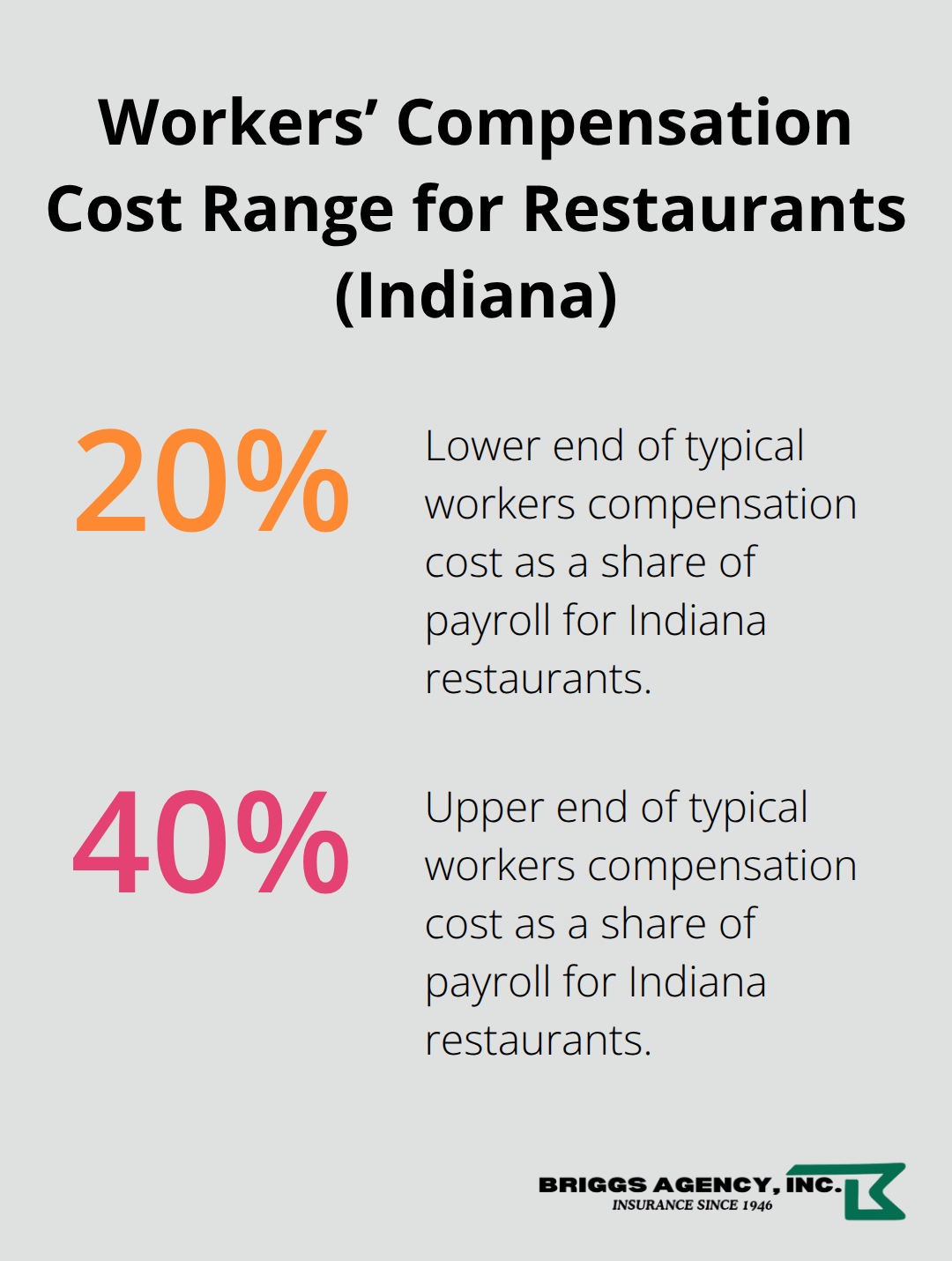
Workers compensation insurance is mandatory in Indiana if you have employees, and the cost typically runs 20 to 40 percent of your payroll depending on your restaurant type and claims history. This coverage protects employees injured on the job and shields your business from lawsuits related to workplace injuries, which happen frequently in kitchens with hot equipment and fast-paced environments. Employment practices liability insurance covers discrimination claims, wrongful termination lawsuits, and harassment allegations, which have become increasingly common in the restaurant industry. These two coverages work together to protect both your staff and your bottom line.
Property and Equipment Protection
Property insurance protects your building, equipment, inventory, and fixtures against fire, theft, weather damage, and other covered perils. For restaurants, equipment breakdown coverage is essential since a failed refrigeration unit can spoil thousands of dollars in inventory within hours and halt operations entirely. This specialized coverage prevents a single equipment failure from becoming a business-threatening event.
Aligning Insurance with Your Licensing Status
Your insurance strategy must align directly with your licensing status because carriers often require proof of current licenses before paying claims. Your risk profile changes as your restaurant grows, so you should review your coverage annually or whenever you renew licenses. Some policies exclude coverage if your food service license lapses, which creates a dangerous gap exactly when you need protection most. A restaurant owner operating with an expired license faces not only regulatory fines but also potential claim denial if an incident occurs during the lapsed period.
Specialty coverages like liquor liability become essential if you serve alcohol since the costs of alcohol-related incidents far exceed general liability limits. Your insurance agent should walk you through specific exclusions and limitations rather than simply providing a quote, because restaurants often discover coverage gaps only after a claim gets denied. Request a detailed review of your current policies to identify what’s actually covered versus what creates exposure, then document this review for your compliance records. This documentation demonstrates to regulators that you’re taking risk management seriously and helps protect your business during licensing audits or disputes with carriers.
Final Thoughts
Restaurant licensing compliance tips work best when you treat them as an integrated system rather than separate tasks. Your licenses, compliance processes, and insurance coverage form a protective framework that keeps your restaurant operating legally and financially secure. Without current licenses, your insurance may not cover claims, and without proper insurance, a single incident can bankrupt your business despite perfect licensing records.
The practical steps that matter most are straightforward: maintain a master document listing every license with renewal dates tracked 90 days in advance, assign one person clear responsibility for monitoring these deadlines and completing renewals on time, and conduct quarterly internal audits to verify all licenses remain current and your insurance aligns with your licensing status. Your compliance system prevents costly mistakes, but it requires consistency-a spreadsheet updated monthly works if you commit to the discipline, though restaurant management software with built-in license tracking removes the manual burden and reduces human error.
We at Briggs Agency, Inc. understand that restaurant owners juggle operations, staffing, food costs, and customer service while managing compliance obligations that feel disconnected from daily business. Contact us today to review your current insurance coverage against your licensing status and identify any gaps in your protection.
The information provided in this blog is for general informational purposes only and does not constitute legal, financial, or insurance advice. Coverage options, terms, and availability may vary. Please consult with a licensed professional for advice specific to your situation.
Artificial intelligence may have been used to generate text and images in some blog articles.

