
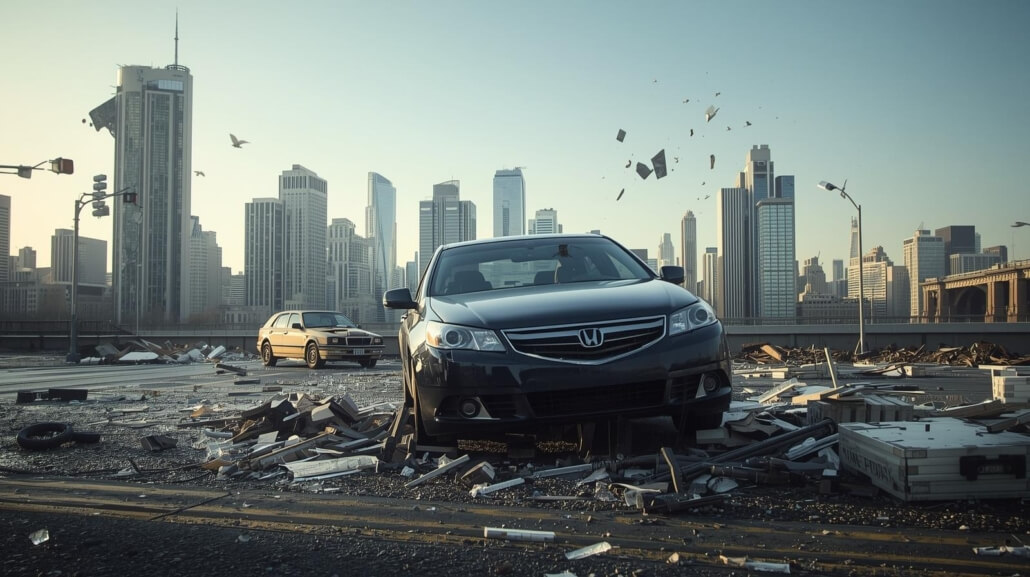
If Movie Characters Had Insurance: Who’d Be Bankrupt First?
If Movie Characters Had Insurance: Who’d Be Bankrupt First?
Movies love chaos. Explosions, car chases, collapsing buildings—it’s all great entertainment. But if we slow things down for a moment and ask a very practical question, things get interesting fast:
If movie characters had real insurance coverage, who would still be standing financially… and who would be completely bankrupt?
Beyond the fun, this exercise actually highlights some very real insurance lessons that apply to everyday life. Let’s take a look.
1. The Superhero: Overpowered, Underinsured
Example: Iron Man, Batman, Superman
Superheroes cause (and prevent) catastrophic damage on a regular basis. Skyscrapers collapse. Vehicles are destroyed. Entire cities are leveled.
The Insurance Reality
Even the wealthiest superhero would struggle with:
-
Property damage claims in the billions
-
Liability lawsuits from injured bystanders
-
Umbrella policy limits that wouldn’t even come close to covering losses
Most personal and commercial policies exclude:
-
Acts of war
-
Intentional damage
-
Extremely high-risk activities
Even with extensive coverage, one major battle could exceed policy limits instantly.
Verdict:
💸 Bankrupt—unless they have a custom, high-limit liability and umbrella policy (and a very patient carrier).
Real-life takeaway:
If your lifestyle, assets, or profession increases your exposure to lawsuits, standard coverage may not be enough. This is where umbrella insurance becomes essential—not optional.
2. The Action Hero: The Walking Liability Claim
Example: James Bond, John Wick, Jason Bourne
Car chases through city streets. Hotels destroyed. International incidents everywhere.
The Insurance Reality
Action heroes would face:
-
Auto claims involving multiple vehicles and cities
-
Property damage across multiple countries
-
Personal liability claims for injuries and fatalities
-
Likely policy cancellations after claim #2
No personal auto policy is designed to survive this level of risk exposure.
Verdict:
💸 Bankrupt, uninsurable, and dropped by every carrier.
Real-life takeaway:
Frequent claims—especially large ones—can lead to higher premiums or non-renewal. Insurance is about managing risk, not surviving chaos.
3. The Home Alone Kid: Surprisingly Well Covered
Example: Kevin McCallister
Booby traps, property damage, and injured burglars—but all within a single residence.
The Insurance Reality
Assuming the family had a solid homeowner’s policy:
-
Property damage may be covered (minus intentional acts)
-
Liability coverage could respond to injuries sustained on the property
-
Medical payments coverage might apply
However, intentional injury exclusions could complicate things.
Verdict:
⚠️ Financially bruised, but probably not bankrupt.
Real-life takeaway:
Homeowners insurance does more than protect your house—it also protects you from liability when someone is injured on your property.
4. The Small Business Owner in a Disaster Movie: One Claim Away from Closing
Example: Restaurant owners, shopkeepers, or small businesses in disaster films
Earthquakes, fires, floods, power outages—businesses are hit hard and fast.
The Insurance Reality
Without the right coverage:
-
Property damage may not be fully insured
-
Flood and earthquake damage is often excluded
-
Business interruption losses can cripple cash flow
Many businesses fail not because of damage—but because they can’t operate while repairs are made.
Verdict:
💸 Bankrupt without proper planning.
Real-life takeaway:
Business insurance isn’t just about rebuilding—it’s about survival. Business interruption, extra expense, and disaster-specific coverage can make the difference between reopening and closing forever.
5. The Carefree Rom-Com Character: Quietly Well Protected
Example: The everyday professional in a romantic comedy
No explosions. No car chases. Just normal life events.
The Insurance Reality
These characters usually:
-
Drive responsibly
-
Own or rent modest property
-
Have predictable lifestyles
With properly structured auto, renters/homeowners, and liability coverage, they’d be fine.
Verdict:
✅ Financially stable and insurable.
Real-life takeaway:
Most people don’t need extreme coverage—but they do need the right coverage. Gaps often exist simply because no one reviewed the policy recently.
6. The Villain: Denied, Denied, Denied
Example: Criminal masterminds, supervillains
Intentional acts. Illegal activity. Total destruction.
The Insurance Reality
Insurance policies universally exclude:
-
Intentional damage
-
Criminal acts
-
Fraud
No coverage. No appeals.
Verdict:
🚫 Denied across the board.
Real-life takeaway:
Insurance protects against accidents and unforeseen events—not intentional or illegal behavior.
The Bigger Lesson: Real Life Isn’t a Movie
While most of us won’t face exploding buildings or high-speed chases, the principles are the same:
-
Risk increases as your life changes
-
Assets need protection
-
Liability is often underestimated
-
Cheap coverage can become very expensive
That’s where an independent insurance agency makes a difference. Instead of fitting you into a one-size-fits-all policy, we evaluate:
-
Your lifestyle
-
Your assets
-
Your exposure to risk
-
Your future plans
And we build coverage that actually holds up when life gets messy—no movie magic required.
Final Thought
If movie characters had real insurance, many would be financially ruined by the end credits. The good news? You don’t have to be.
If you’re not sure whether your current coverage would survive a real-life plot twist, it may be time for a review.
Because in real life, there are no sequels after a total financial loss
You can experience being a part of and full-serviced independent Insurance Agency today! Simply contact Briggs Agency Inc, if you are interested in an insurance review at 219-769-4840 or visit our website at www.BriggsAgency.com. We look forward to hearing from you!
Blog post written by: Zachary Pelke

