
Tree Trimming Contractors Insurance
Tree trimming contractors perform demanding work involving heights, power tools, heavy branches, specialized vehicles, and valuable customer property. Even when crews follow established safety procedures, an unexpected accident could result in an injury, property damage, equipment loss, or costly business interruption.
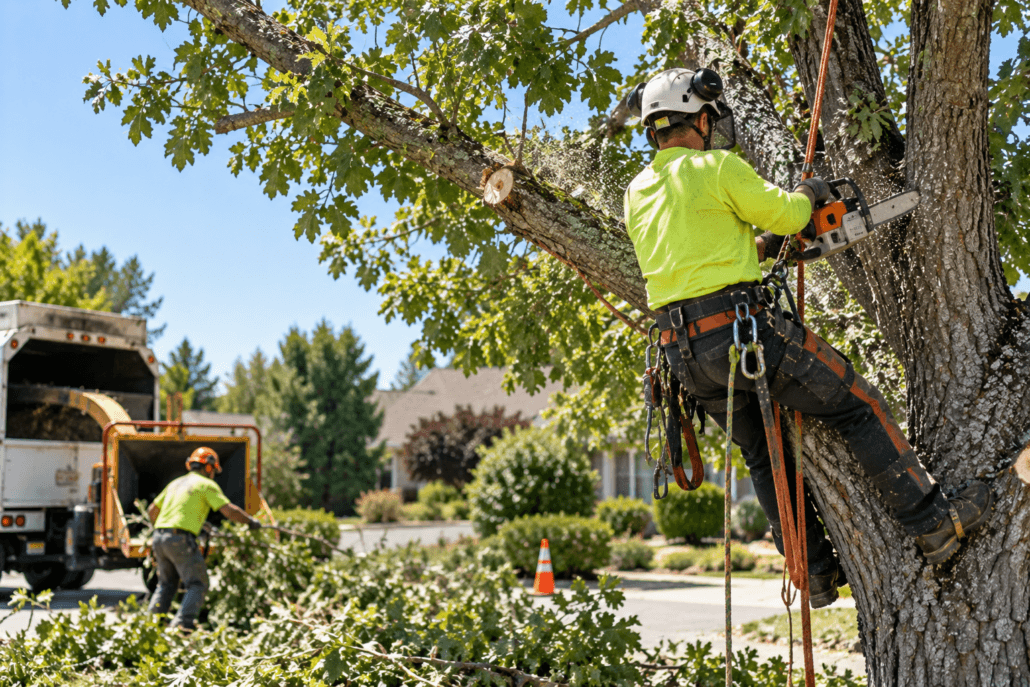 Tree trimming contractors insurance can help protect your business against certain risks associated with pruning, tree removal, stump grinding, brush clearing, and related services. Coverage can be tailored to your operations, whether you work independently or manage a tree service company with employees, vehicles, and multiple crews.
Who May Need Tree Trimming Contractors Insurance?
Insurance coverage may be appropriate for businesses and professionals such as:
- Tree trimming and pruning contractors
- Tree removal companies
- Certified arborists
- Stump grinding contractors
- Brush and lot clearing businesses
- Landscaping companies offering tree services
- Emergency storm cleanup contractors
- Municipal tree service subcontractors
The appropriate coverage may depend on the services performed, maximum working height, number of employees, subcontractor usage, annual revenue, vehicle ownership, equipment values, and whether the business provides emergency or storm-related services.
Common Tree Trimming Insurance Coverages
General Liability Insurance
General liability insurance may help protect your business against certain claims involving third-party bodily injury or property damage. For example, a falling branch could damage a customer’s roof, fence, vehicle, or neighboring property. A customer or visitor could also be injured near an active work area.
Homeowners, commercial property managers, municipalities, and general contractors may require proof of liability insurance before allowing tree work to begin.
Workers’ Compensation Insurance
Tree service employees may be exposed to falls, cuts, lifting injuries, falling objects, and accidents involving chainsaws, chippers, or aerial equipment. Workers’ compensation insurance may help provide medical and wage-replacement benefits to qualifying employees who suffer work-related injuries or illnesses. Requirements vary by state and business structure.
Commercial Auto Insurance
Tree trimming contractors may use bucket trucks, chipper trucks, dump trucks, pickups, and other vehicles to transport employees, debris, tools, and equipment. Commercial auto insurance may provide liability and physical damage coverage for qualifying business-owned vehicles.
Equipment attached to or transported by a vehicle may require separate coverage, so all vehicles and equipment should be accurately disclosed when applying for insurance.
Tools and Equipment Coverage
Chainsaws, wood chippers, stump grinders, lifts, climbing gear, and other specialized equipment can be expensive to repair or replace. Contractors’ tools and equipment coverage, sometimes provided through inland marine insurance, may help protect qualifying property against certain covered losses while at a jobsite, in transit, or temporarily stored away from the primary business location.
Commercial Property Insurance
Businesses that own or lease an office, shop, garage, or equipment storage facility may benefit from commercial property insurance. Depending on the policy, coverage may help protect buildings, office furnishings, supplies, and other business property against certain covered events.
Commercial Umbrella or Excess Liability Insurance
Commercial umbrella or excess liability insurance may provide additional limits above certain underlying liability policies. Higher limits may be appropriate or contractually required when working on large commercial, municipal, or utility-related projects.
Tree Trimming Contractors Insurance FAQs
How much does tree trimming contractor insurance cost?
Costs vary based on payroll, revenue, services provided, maximum working height, claims history, vehicles, equipment values, coverage limits, and other risk factors.
Does general liability insurance cover damage caused by falling branches?
General liability insurance may cover certain qualifying property damage claims. Coverage depends on the circumstances and the policy’s terms, conditions, limits, and exclusions.
Can tree trimming tools and equipment be insured?
Contractors’ equipment coverage may protect qualifying tools and machinery against covered losses. Limits, deductibles, eligible equipment, and transportation coverage vary by policy.
Does an insurance policy cover every tree service accident?
No. Insurance policies contain conditions, exclusions, and coverage limits. Contractors should review their policies carefully and ensure their insurer has accurate information about all services, vehicles, employees, and equipment.
