
Owner-Operator Truck Insurance
Owner-operators are responsible for managing many of the risks that come with running a trucking business. In addition to driving and delivering freight, they may be responsible for maintaining equipment, meeting contractual requirements, managing expenses, and arranging appropriate insurance coverage.
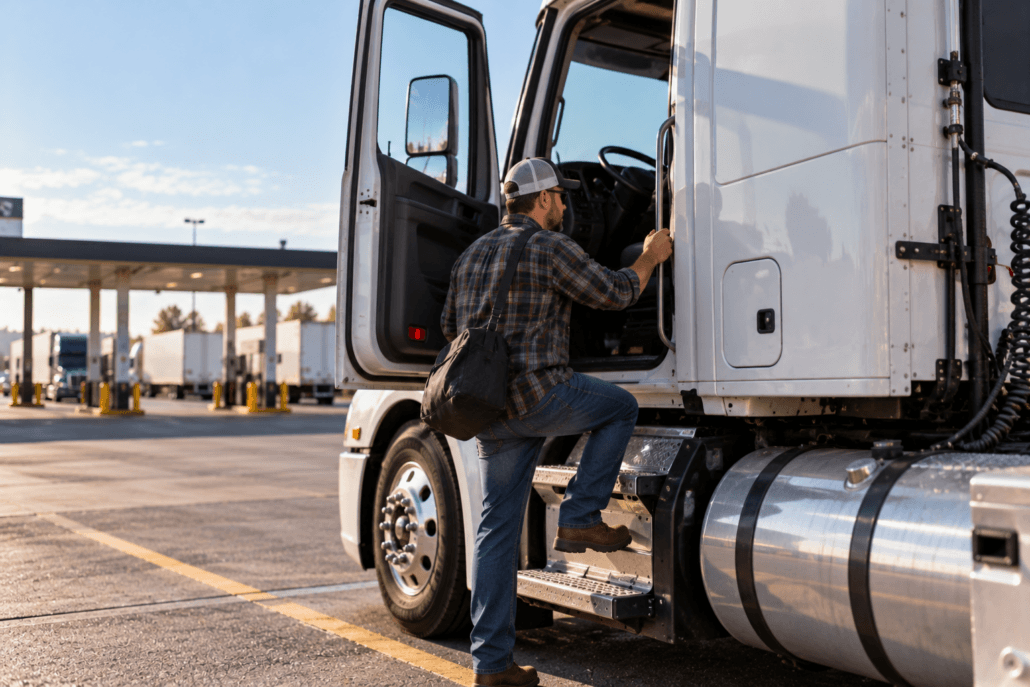 Owner-operator truck insurance can help protect against certain financial losses involving accidents, truck damage, cargo claims, and business liability. The coverage needed depends heavily on whether the owner-operator is permanently leased to a motor carrier or operates under their own authority.
Insurance for Owner-Operators Under Permanent Lease
A motor carrier may provide primary auto liability insurance while a leased owner-operator is driving on the carrier’s behalf. However, the motor carrier’s policy may not protect the owner-operator’s truck, cover transported cargo, or apply when the vehicle is used outside the carrier’s business.
Before purchasing coverage, owner-operators should obtain documentation showing exactly what the motor carrier provides. Their lease agreement may also contain specific insurance limits, deductibles, or coverage requirements.
Additional insurance options for leased owner-operators may include:
- Non-trucking liability insurance
- Physical damage coverage
- Motor truck cargo insurance
- Occupational accident insurance
- Trailer interchange insurance
- Commercial umbrella or excess liability insurance
Non-Trucking Liability Insurance
Non-trucking liability insurance may provide limited liability protection when a permanently leased truck is used for certain personal or non-business purposes. It does not replace primary commercial auto liability insurance and does not necessarily cover every trip when the driver is not actively hauling cargo.
Insurance for Owner-Operators Under Their Own Authority
Owner-operators working under their own operating authority generally have broader insurance responsibilities. They may need to arrange required liability coverage, maintain applicable insurance filings, and satisfy the requirements established by shippers, brokers, and other contracting parties.
Coverage for owner-operators with their own authority may include:
- Primary commercial auto liability insurance
- Physical damage coverage
- Motor truck cargo insurance
- Motor truck general liability insurance
- Trailer interchange or trailer coverage
- Workers’ compensation or occupational accident coverage
Primary Commercial Auto Liability Insurance
Primary commercial auto liability insurance may help pay for certain bodily injury or property damage claims when a covered driver causes an accident. Required limits depend on the carrier’s authority, vehicle type, cargo, contracts, and applicable regulations.
Physical Damage Coverage
Physical damage insurance can help protect an insured truck. Collision coverage may apply to qualifying accident or rollover damage, while comprehensive coverage may apply to certain losses involving theft, vandalism, fire, weather, or falling objects.
Motor Truck Cargo Insurance
Motor truck cargo insurance may help cover qualifying freight if it is damaged, stolen, or lost because of a covered event. Coverage limits and exclusions can vary based on the type and value of cargo hauled.
Motor Truck General Liability Insurance
Motor truck general liability insurance may help cover certain third-party claims arising from business activities not directly related to operating the insured truck, such as qualifying incidents at a business location or during certain loading activities.
Owner-Operator Truck Insurance FAQs
How much does owner-operator insurance cost?
Costs vary based on operating authority, lease status, driver experience, vehicle value, mileage, cargo, claims history, coverage limits, and operating radius.
Does a motor carrier’s policy fully cover a leased owner-operator?
Not necessarily. Carrier-provided insurance may be limited to specific operations and may not cover the owner-operator’s truck, cargo, or non-business use.
Is cargo insurance automatically included?
No. Motor truck cargo insurance is generally separate, and coverage depends on the policy’s limits, deductible, exclusions, and listed commodities.
Does one policy cover every trip and business activity?
No. Insurance policies contain conditions, exclusions, and coverage limits. Owner-operators should review their lease, authority, contracts, vehicles, and operations with an insurance professional.
