
Long-Haul Truck Insurance
Long-haul truckers spend countless hours transporting goods across regions and state lines. Whether you operate within several neighboring states or haul freight from coast to coast, extended travel can expose your business to changing weather, unfamiliar roads, traffic accidents, cargo losses, vehicle damage, and other costly risks.
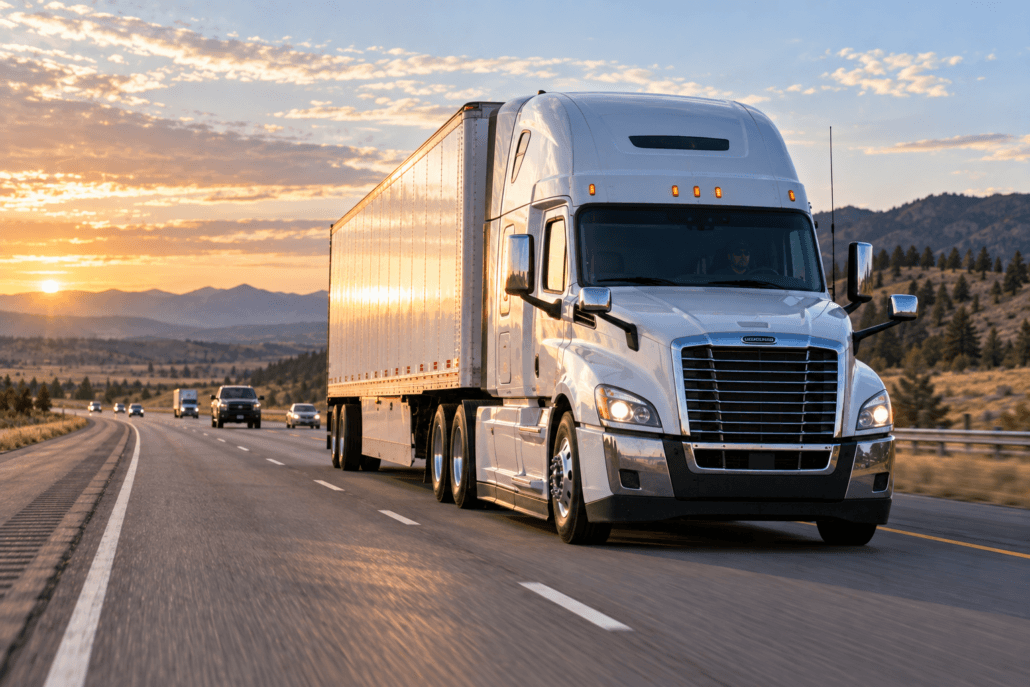 Long-haul truck insurance can help protect independent owner-operators and commercial trucking companies against certain financial losses. Coverage can be tailored to your operating authority, equipment, cargo, travel radius, contracts, and fleet size.
Who May Need Long-Haul Truck Insurance?
Long-haul trucking coverage may be appropriate for businesses and professionals such as:
- Independent truck owner-operators
- Over-the-road trucking companies
- Interstate motor carriers
- Regional freight carriers
- Refrigerated trucking companies
- Flatbed and dry van operators
- Freight transportation companies
- Commercial trucking fleets
The appropriate insurance may depend on vehicle type, fleet size, driver experience, annual mileage, operating radius, commodities transported, claims history, contractual requirements, and whether the business operates under its own authority.
Common Long-Haul Truck Insurance Coverages
Primary Auto Liability Insurance
Primary auto liability insurance may help pay for certain bodily injury and property damage claims when a covered driver causes an accident while operating an insured truck. Required liability limits can depend on applicable laws, operating authority, vehicle weight, cargo, and customer contracts.
Physical Damage Insurance
Physical damage insurance can help protect an insured truck and certain listed equipment. Collision coverage may help pay for qualifying damage caused by an accident or rollover. Comprehensive coverage may apply to certain non-collision losses involving theft, vandalism, fire, severe weather, or falling objects.
Physical damage coverage is typically subject to a deductible and the valuation provisions of the policy.
Motor Truck Cargo Insurance
Motor truck cargo insurance may help protect qualifying freight being transported for customers if it is damaged, stolen, or lost because of a covered event. Limits, deductibles, and exclusions may vary based on the type and value of cargo hauled.
Specialized freight, such as refrigerated goods, automobiles, electronics, or hazardous materials, may require different coverage or policy endorsements.
General Liability Insurance
General liability insurance may help cover certain third-party bodily injury or property damage claims arising from business activities not directly related to driving a covered truck. This could include qualifying incidents at a business location or during certain loading and unloading activities.
Trailer Interchange Insurance
Motor carriers may haul trailers owned by other businesses under written interchange agreements. Trailer interchange insurance may help cover certain physical damage to a non-owned trailer while it is in the trucker’s possession. Owned trailers generally require separate physical damage coverage.
Non-Trucking Liability Insurance
Non-trucking liability insurance may provide limited liability protection for qualifying owner-operators who are permanently leased to a motor carrier and use their truck for certain non-business purposes. It is not a substitute for primary auto liability insurance.
Commercial Umbrella or Excess Liability Insurance
Commercial umbrella or excess liability insurance may provide additional limits above certain underlying policies. Higher limits may be appropriate or required by freight brokers, shippers, or commercial transportation contracts.
Long-Haul Truck Insurance FAQs
How much does long-haul truck insurance cost?
Costs vary based on driver experience, vehicle value, fleet size, operating radius, annual mileage, cargo, claims history, coverage limits, and other underwriting factors.
Is long-haul truck insurance required?
Commercial trucking businesses generally must maintain liability insurance. Exact state and federal requirements depend on operating authority, vehicle weight, cargo, and where the business operates.
Does commercial truck insurance cover cargo?
Not automatically. Motor truck cargo insurance may be needed to protect freight transported for customers. Coverage depends on the cargo and policy terms.
Does a policy cover every truck, driver, and route?
No. Policies contain conditions, exclusions, limits, and driver or vehicle requirements. Trucking businesses should accurately disclose all drivers, equipment, cargo, and operating areas.
